What Is the Safest Country for Gorilla Trekking?
June 1, 2026
What Food Do Gorillas Eat?
June 1, 2026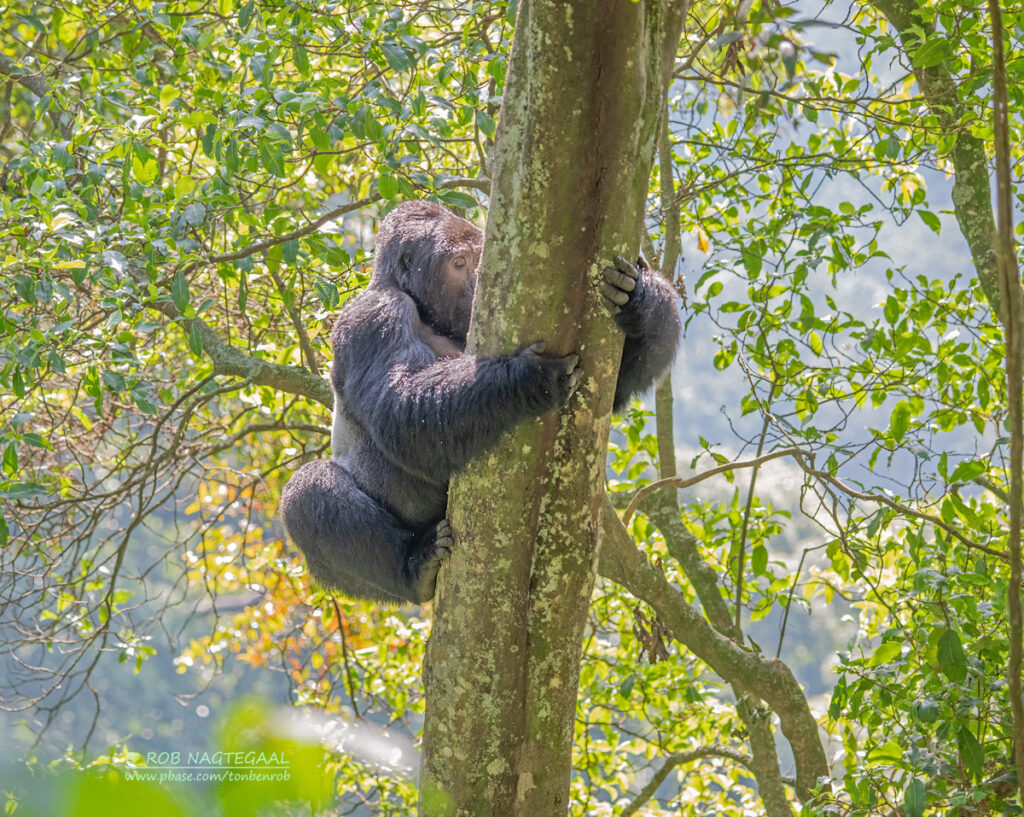
Do Silverback Gorillas Eat Meat?
Do Silverback Gorillas Eat Meat? This fascinating question is frequently asked by travelers planning unforgettable Gorilla Safaris in East Africa. Many visitors arriving for Rwanda Safaris and Uganda Safaris are eager to understand the behavior, feeding habits, and daily lives of the magnificent mountain gorillas they hope to encounter in their natural environment. As the dominant leaders of gorilla families, silverback gorillas inspire admiration through their immense strength, intelligence, and gentle nature. Despite their powerful appearance, many people are surprised to discover that these extraordinary primates maintain a diet that differs significantly from that of many large mammals.
Understanding Do Silverback Gorillas Eat Meat? provides valuable insight into the ecology of mountain gorillas and enriches the overall gorilla trekking experience. Throughout the dense forests of Rwanda and Uganda, silverbacks spend much of their day searching for vegetation that supplies the nutrients required to sustain their large bodies. Scientific observations conducted over decades have shown that mountain gorillas are primarily herbivorous animals, relying heavily on leaves, stems, shoots, roots, fruits, and various plant materials found within their habitat. Unlike carnivorous predators, these great apes possess digestive systems specifically adapted to process fibrous vegetation.
Travelers participating in Rwanda Best Safaris and Uganda Best Safari experiences often gain a deeper appreciation for gorilla conservation when they learn about the feeding behavior of these endangered animals. Every trek into the rainforest offers an opportunity to observe how silverbacks lead their families to feeding areas while maintaining social harmony within the group. Through carefully managed Gorilla Safaris, visitors witness firsthand the remarkable relationship between gorillas and the ecosystems that support them. Consequently, understanding whether silverback gorillas eat meat becomes more than a simple wildlife question; it becomes part of a broader appreciation of one of Africa’s most treasured conservation success stories.
Do Silverback Gorillas Eat Meat in Their Natural Habitat?
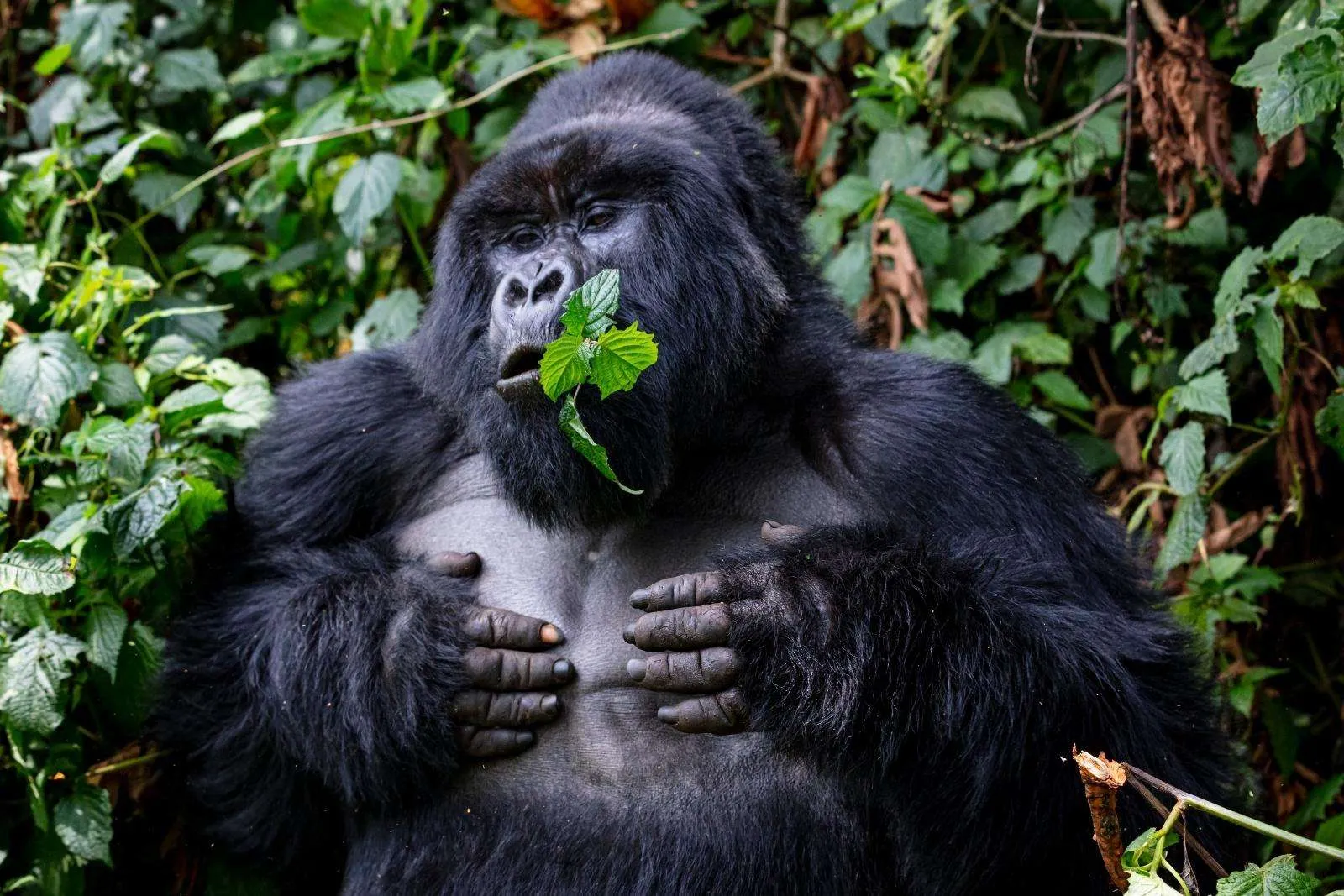
When discussing Do Silverback Gorillas Eat Meat?, the straightforward answer is that silverback gorillas are overwhelmingly herbivorous and rarely consume meat in the wild. Extensive research conducted in the mountain forests of Rwanda and Uganda has consistently demonstrated that plant-based foods make up nearly the entirety of their diet. Throughout Gorilla Safaris, visitors commonly observe gorillas feeding on bamboo shoots, wild celery, nettles, vines, leaves, bark, roots, and seasonal fruits. Such feeding habits reflect millions of years of evolutionary adaptation to life within dense tropical forests.
Across the mountain ranges that support Rwanda Safaris and Uganda Safaris, silverback gorillas serve as knowledgeable leaders who guide their groups toward productive feeding grounds. Rather than hunting prey, these dominant males spend their days locating nutritious vegetation capable of sustaining multiple family members. Powerful jaws and specialized digestive systems allow them to process tough plant matter that many other animals cannot efficiently consume. Consequently, vegetation remains the foundation of gorilla survival throughout the year.
Occasionally, researchers have documented gorillas inadvertently ingesting small insects while feeding on plants. However, these instances should not be confused with deliberate meat consumption. Unlike predators that actively pursue animal protein, mountain gorillas show no behavioral patterns associated with hunting. Instead, they rely entirely on the abundance of natural vegetation available within their habitats. During Rwanda Best Safaris and Uganda Best Safari experiences, guests often witness this peaceful feeding behavior firsthand, gaining valuable insight into the gentle nature of these remarkable primates.
Learning the answer to Do Silverback Gorillas Eat Meat? helps visitors better understand the ecological role gorillas play within their environment. By feeding on vegetation and dispersing seeds throughout the forest, these endangered animals contribute significantly to maintaining healthy ecosystems that benefit countless other species.
Where Can You Observe Silverback Gorillas Feeding Naturally?
For travelers interested in discovering Do Silverback Gorillas Eat Meat?, the best place to observe their authentic feeding behavior is within the protected mountain gorilla habitats of Rwanda and Uganda. These destinations offer some of the most rewarding Gorilla Safaris available anywhere in the world while supporting critical conservation initiatives that safeguard the future of endangered mountain gorillas.
What Makes Rwanda an Exceptional Destination for Gorilla Observation?
Rwanda Safaris provide access to one of Africa’s most celebrated gorilla trekking destinations. Within Volcanoes National Park, visitors can follow experienced ranger guides through mist-covered forests where habituated gorilla families roam freely. During these encounters, trekkers frequently observe silverbacks selecting leaves, stems, and shoots from surrounding vegetation. Such moments offer compelling evidence when answering the question, Do Silverback Gorillas Eat Meat?, as their feeding activities clearly demonstrate a preference for plant-based nutrition.
Additionally, Rwanda Best Safaris combine world-class conservation practices with excellent tourism infrastructure, creating an environment where visitors can safely and responsibly observe gorilla behavior. Professional interpretation from guides enhances understanding of gorilla ecology while promoting appreciation for conservation efforts that have helped mountain gorilla populations recover over recent decades.
Why Is Uganda One of the Best Places to Learn About Gorilla Diets?
Uganda Safaris offer equally remarkable opportunities to witness mountain gorillas in their natural surroundings. Bwindi Impenetrable Forest serves as one of the most important strongholds for the species and provides exceptional trekking experiences for wildlife enthusiasts from around the globe. Deep within this ancient rainforest, silverbacks lead their families through dense vegetation while continuously feeding on available plant resources.
Many travelers participating in Uganda Best Safari adventures spend valuable time observing gorillas consume leaves, vines, roots, and seasonal fruits. Such encounters reinforce scientific findings regarding gorilla nutrition and help answer the popular question, Do Silverback Gorillas Eat Meat? with direct real-world observations. Furthermore, Uganda’s diverse landscapes and rich biodiversity create opportunities to combine gorilla trekking with other memorable wildlife experiences, making it a premier destination for nature-focused travel.
Why Is Understanding Gorilla Diet Important for Conservation?
The question Do Silverback Gorillas Eat Meat? extends beyond simple curiosity because understanding dietary habits plays a crucial role in effective conservation planning. Since mountain gorillas depend almost entirely on vegetation, protecting forest ecosystems becomes essential for their long-term survival. Habitat destruction, agricultural expansion, and deforestation can significantly reduce the availability of the plants that sustain gorilla populations.
Throughout Rwanda Safaris and Uganda Safaris, conservation programs emphasize habitat preservation as a cornerstone of gorilla protection. By maintaining healthy forests, conservation organizations ensure that gorillas continue to access the diverse plant species required for proper nutrition. Revenue generated through Gorilla Safaris directly supports these efforts, creating a sustainable model that benefits both wildlife and local communities.
Moreover, understanding feeding behavior enables researchers to monitor ecosystem health and identify emerging conservation challenges. Continuous scientific observation helps authorities implement informed management strategies that strengthen the future of mountain gorillas while preserving biodiversity across protected landscapes.
When Is the Best Time for This Safari?
Travelers seeking to explore Do Silverback Gorillas Eat Meat? through firsthand observation can enjoy Gorilla Safaris throughout the year. Nevertheless, the most popular trekking seasons occur during the drier months from June to September and December to February. During these periods, forest trails are generally easier to navigate, improving trekking conditions and photographic opportunities.
Despite seasonal variations, Rwanda Safaris and Uganda Safaris remain rewarding year-round experiences because mountain gorillas stay within their habitats regardless of weather conditions. Lush vegetation during wetter months often creates spectacular scenery while supporting abundant food sources for gorilla families.
Why Choose EcoQuest Safaris for This Particular Safari?
EcoQuest Safaris specializes in delivering professionally organized Rwanda Safaris, Uganda Safaris, and exceptional Gorilla Safaris designed to provide authentic wildlife experiences while supporting conservation. Our experienced safari specialists possess extensive knowledge of gorilla behavior, ecology, and trekking logistics, ensuring that every journey is informative, comfortable, and memorable.
Through carefully designed itineraries, EcoQuest Safaris connects travelers with the finest Rwanda Best Safaris and Uganda Best Safari experiences available today. Strong partnerships with conservation authorities, expert guides, and quality lodges enable us to deliver seamless adventures that prioritize visitor satisfaction and responsible tourism practices.
Choosing EcoQuest Safaris means traveling with a company committed to conservation, community empowerment, and sustainable wildlife tourism. Every safari contributes to protecting mountain gorillas and preserving the extraordinary forests they call home.
Conclusion: Do Silverback Gorillas Eat Meat?
To answer the question Do Silverback Gorillas Eat Meat?, scientific evidence and direct field observations clearly demonstrate that silverback gorillas are primarily herbivorous animals that depend on vegetation for survival. Throughout Rwanda Safaris and Uganda Safaris, visitors can witness these magnificent primates feeding on leaves, stems, roots, shoots, and fruits while leading their families through protected rainforest habitats.
Experiencing Gorilla Safaris in Rwanda and Uganda offers far more than wildlife viewing alone. Every trek provides meaningful insight into gorilla behavior, conservation, and the delicate ecosystems that sustain one of the world’s most endangered species. Through expertly guided adventures with EcoQuest Safaris, travelers gain a deeper understanding of mountain gorillas while contributing to the preservation of Africa’s natural heritage for future generations.