Wildlife in Arusha National Park (Mount Meru)
July 24, 2026
Lake Bogoria Geysers
July 26, 2026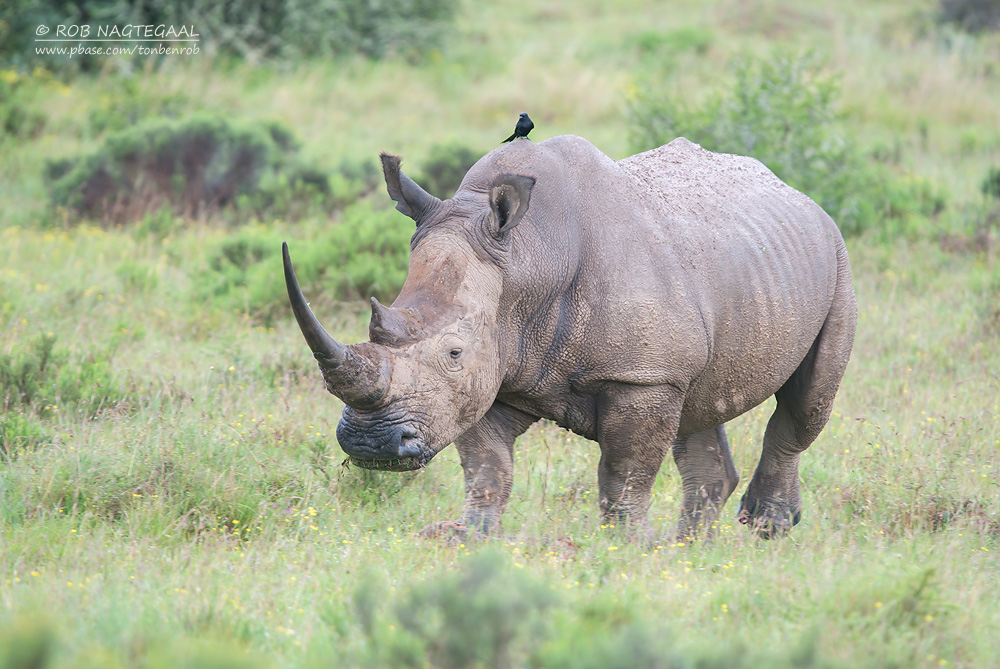
Rhino Sanctuaries in Ol Pejeta Conservancy and Lake Nakuru National Park: Kenya’s Conservation Success Stories
Kenya is celebrated worldwide for its spectacular wildlife, breathtaking landscapes, and unforgettable safari experiences. While many travelers visit to witness the Big Five or the Great Migration, one of the country’s greatest conservation achievements lies in its dedicated rhino sanctuaries. Among the finest places to see these endangered giants are Ol Pejeta Conservancy in Laikipia County and Lake Nakuru National Park in the Great Rift Valley. Together, these protected areas play a vital role in safeguarding black and white rhinos while offering visitors extraordinary wildlife encounters.
At EcoQuest Safaris, we believe that the best Kenya Safaris combine exceptional game viewing with meaningful conservation experiences. Visiting the rhino sanctuaries of Ol Pejeta and Lake Nakuru allows travelers to witness remarkable wildlife while supporting efforts to protect one of Africa’s most threatened species.
Why Rhino Conservation Matters
Rhinos once roamed Africa in vast numbers, but decades of poaching and habitat loss pushed both black and white rhino populations to the brink of extinction. Demand for rhino horn on illegal wildlife markets led to dramatic declines throughout the continent during the twentieth century.
Kenya responded by creating secure sanctuaries, strengthening anti-poaching units, investing in scientific monitoring, and partnering with local communities to protect these iconic animals. Today, the country is recognized as a leader in rhino conservation, with protected areas such as Ol Pejeta Conservancy and Lake Nakuru National Park demonstrating that coordinated conservation efforts can help endangered wildlife recover.
A visit to these sanctuaries offers much more than wildlife viewing—it provides an opportunity to understand the challenges of conservation and the positive impact that responsible tourism can have on protecting endangered species.
Ol Pejeta Conservancy: A World Leader in Rhino Conservation
Located between the foothills of Mount Kenya and the Aberdare Ranges, Ol Pejeta Conservancy covers approximately 360 square kilometers of grasslands, acacia woodlands, and riverine habitats. It is widely regarded as one of Africa’s most successful wildlife conservancies and is home to the largest population of black rhinos in East Africa.
Ol Pejeta is also famous for housing the world’s last two remaining northern white rhinos, making it one of the most significant conservation sites on the planet. Although the northern white rhino is functionally extinct in the wild, ongoing scientific research offers hope that advanced reproductive technologies may contribute to the subspecies’ future.
The conservancy protects both black and southern white rhinos using advanced surveillance systems, highly trained ranger teams, veterinary specialists, and modern conservation science. Every visitor contributes directly to these efforts through park entry fees and conservation-focused tourism.
Rhino Encounters at Ol Pejeta
One of the highlights of visiting Ol Pejeta is the opportunity to observe rhinos in a vast, natural landscape. Game drives frequently reveal black rhinos browsing among shrubs, while white rhinos are often seen grazing peacefully across open plains.
Knowledgeable guides explain the differences between the two species, including their physical characteristics, feeding habits, behavior, and conservation status. Visitors also learn about anti-poaching operations, wildlife monitoring, and habitat management that help ensure the long-term survival of rhinos.
In addition to rhinos, Ol Pejeta supports an impressive variety of wildlife, including elephants, lions, leopards, cheetahs, buffaloes, giraffes, zebras, hyenas, African wild dogs, and more than 300 bird species. This makes the conservancy one of the most rewarding destinations for comprehensive Kenya Safaris.
Lake Nakuru National Park: A Safe Haven for Rhinos
Nestled within Kenya’s spectacular Great Rift Valley, Lake Nakuru National Park is another outstanding destination for rhino conservation. Covering approximately 188 square kilometers, the park combines scenic landscapes with exceptional wildlife viewing.
Lake Nakuru became one of Kenya’s first protected rhino sanctuaries after a secure perimeter fence was established to reduce poaching. Today, it supports thriving populations of both endangered black rhinos and southern white rhinos, making it one of the country’s most reliable places to observe these magnificent animals.
The park’s varied habitats—including acacia forests, open grasslands, rocky escarpments, wetlands, and lakeshore environments—provide ideal conditions for rhinos and numerous other wildlife species.
Wildlife Beyond Rhinos
Although rhinos are the stars of both destinations, visitors enjoy an incredible diversity of wildlife during their safari.
At Ol Pejeta, guests may encounter:
- African elephants
- Lions
- Leopards
- Cheetahs
- Spotted hyenas
- Grevy’s zebras
- Reticulated giraffes
- Elands
- Jackson’s hartebeests
- Hippos
Lake Nakuru National Park offers equally rewarding wildlife experiences with sightings of:
- Rothschild’s giraffes
- Buffaloes
- Waterbucks
- Zebras
- Impalas
- Olive baboons
- Vervet monkeys
- Lions
- Leopards (occasionally)
- Pythons
The park is also internationally renowned for its birdlife, with hundreds of recorded species including pelicans, fish eagles, herons, kingfishers, cormorants, and, when lake conditions are favorable, spectacular flocks of flamingos.
Conservation Through Responsible Tourism
One of the most inspiring aspects of visiting these rhino sanctuaries is witnessing how tourism directly supports wildlife conservation.
Revenue generated from park entrance fees, guided safaris, accommodations, and conservation activities funds anti-poaching patrols, veterinary care, scientific research, habitat restoration, community outreach, and environmental education.
Local communities also benefit through employment opportunities, infrastructure development, education programs, and sustainable livelihood initiatives, reinforcing the importance of wildlife conservation for future generations.
At EcoQuest Safaris, we proudly support responsible tourism that creates positive outcomes for both wildlife and local communities.
What to Expect
Visitors to Ol Pejeta Conservancy and Lake Nakuru National Park can expect unforgettable wildlife encounters in well-managed conservation areas.
Game drives are conducted by experienced guides who use their local knowledge to locate rhinos and explain their fascinating behaviors. Wildlife sightings are often excellent throughout the year, especially during morning and late afternoon excursions when animals are most active.
Expect comfortable safari lodges and tented camps offering warm Kenyan hospitality, delicious cuisine, and beautiful natural surroundings. Accommodations range from luxury safari lodges overlooking wildlife-rich plains to charming camps that provide immersive bush experiences.
Photography enthusiasts will appreciate excellent opportunities to capture close-up images of rhinos, elephants, giraffes, and numerous bird species against the dramatic backdrop of Kenya’s landscapes.
Visitors should also expect to learn about conservation challenges and the remarkable efforts being made to protect endangered species.
Best Time to Visit
Both Ol Pejeta Conservancy and Lake Nakuru National Park can be visited throughout the year, but certain seasons offer distinct advantages.
Dry Season (June to October)
The dry season is widely regarded as the best time for wildlife viewing. Vegetation becomes less dense, making animals easier to spot, while many species gather around permanent water sources.
Road conditions are excellent, skies are generally clear, and comfortable daytime temperatures make game drives particularly enjoyable.
Green Season (November to May)
The rainy months transform both destinations into lush green landscapes filled with colorful wildflowers and abundant birdlife.
Although occasional showers occur, visitors enjoy fewer crowds, beautiful scenery, and opportunities to photograph newborn animals. Birdwatching is especially rewarding during this period as migratory species arrive.
Both seasons offer memorable safari experiences, and the best choice depends on your personal interests and travel style.
What to Pack
Packing appropriately will help ensure a comfortable safari experience.
Recommended items include:
- Lightweight neutral-colored clothing in khaki, olive, beige, or brown.
- Long-sleeved shirts and lightweight trousers for protection from the sun and insects.
- A warm fleece or light jacket for cool morning game drives.
- Comfortable walking shoes.
- A wide-brimmed hat and sunglasses.
- High-SPF sunscreen and lip balm.
- Quality insect repellent.
- Binoculars for wildlife viewing.
- A camera with a zoom lens, spare batteries, and extra memory cards.
- A reusable water bottle.
- Personal medications and a basic first-aid kit.
- A light rain jacket if traveling during the rainy season.
- A small backpack for carrying daily essentials.
Soft-sided luggage is recommended if your itinerary includes domestic safari flights.
Why Choose EcoQuest Safaris?
At EcoQuest Safaris, we create personalized Kenya Safaris that combine wildlife, conservation, comfort, and authentic travel experiences.
Our expertly planned itineraries include professional safari guides, carefully selected accommodations, reliable transportation, and flexible schedules designed around your interests. Whether you are passionate about rhino conservation, birdwatching, photography, or family adventures, we tailor every safari to deliver unforgettable experiences.
We are committed to sustainable tourism that supports wildlife conservation, empowers local communities, and preserves Kenya’s extraordinary natural heritage for future generations.
Experience Kenya’s Rhino Conservation Success
Few safari experiences are as inspiring as observing endangered rhinos thriving in secure habitats while learning about the dedicated efforts protecting them. Ol Pejeta Conservancy and Lake Nakuru National Park demonstrate how conservation, science, community involvement, and responsible tourism can work together to safeguard Africa’s wildlife.
From close encounters with black and white rhinos to unforgettable sightings of lions, elephants, giraffes, and hundreds of bird species, these destinations offer some of the finest Kenya Safaris available. Whether you are visiting Kenya for the first time or returning to explore new regions, the country’s rhino sanctuaries promise experiences that are both exciting and deeply meaningful.
Book your Rhino Sanctuary safari with EcoQuest Safaris and discover the inspiring conservation stories of Ol Pejeta Conservancy and Lake Nakuru National Park. Let us guide you through Kenya’s remarkable wilderness, where every game drive supports the protection of endangered wildlife and every journey creates memories that last a lifetime.