What is the Size of Murchison Falls National Park?
June 2, 2026
Are Walking Sticks Provided for Chimpanzee Tracking in Rwanda?
June 2, 2026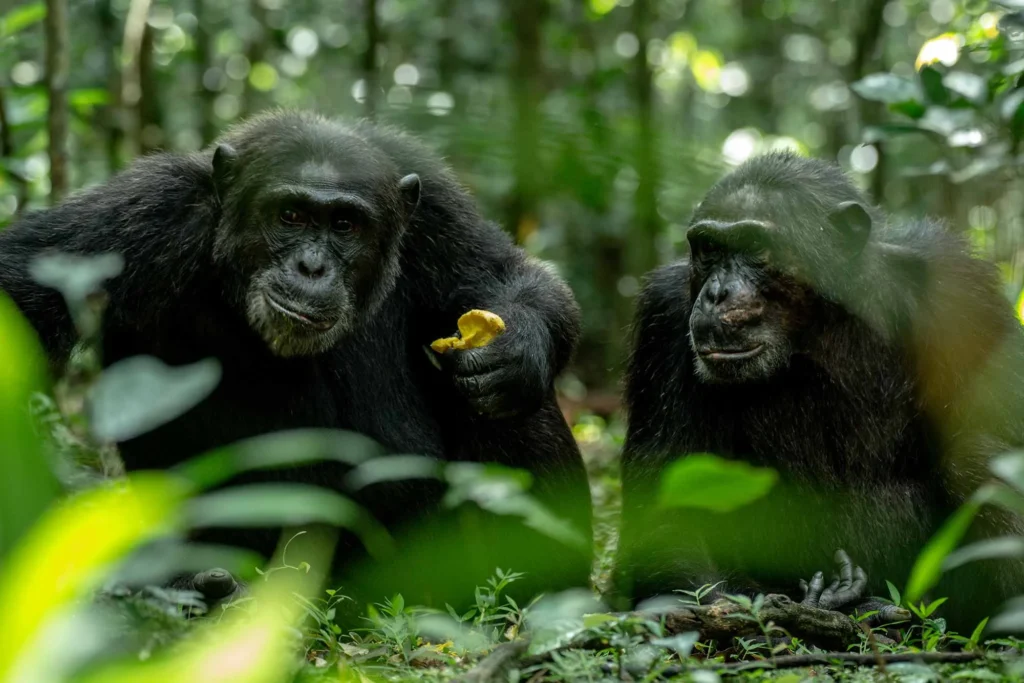
Are There Any Risks Involved with Chimpanzee Tracking in Rwanda?
One of the most common questions asked by travelers planning Rwanda Safaris is, “Are There Any Risks Involved with Chimpanzee Tracking in Rwanda?” This important question deserves a detailed and professional answer because chimpanzee tracking has become one of the most sought-after Wildlife Safari Experiences in East Africa. Rwanda is globally recognized for its remarkable conservation success, pristine rainforests, and exceptional primate encounters, attracting visitors from every corner of the world. Although chimpanzee tracking is considered a safe and well-managed activity, understanding the potential challenges allows travelers to prepare adequately and enjoy a rewarding adventure.
Unlike traditional game drives that take place in open savannah landscapes, chimpanzee tracking involves navigating tropical forests where these highly intelligent primates live naturally. The experience offers a rare opportunity to observe chimpanzees as they forage, communicate, socialize, and move through the forest canopy. Professional ranger guides accompany visitors throughout the excursion, ensuring safety while providing valuable insights into chimpanzee behavior and rainforest ecology. Consequently, the risks associated with chimpanzee tracking in Rwanda are generally minimal and manageable when visitors follow established regulations and guidance from conservation authorities.
Furthermore, Rwanda’s commitment to wildlife conservation and sustainable tourism has transformed the country into one of Africa’s most trusted safari destinations. Stringent visitor guidelines, experienced trackers, and carefully monitored chimpanzee groups significantly reduce potential hazards. As a result, travelers participating in Rwanda Best Safaris can confidently experience chimpanzee tracking while enjoying one of the continent’s most fascinating wildlife encounters. Understanding both the benefits and considerations of this activity helps visitors make informed decisions and appreciate why chimpanzee tracking continues to be a highlight of Rwanda Safaris.
What Makes Nyungwe Forest National Park the Premier Destination for Chimpanzee Tracking in Rwanda?
When discussing Are There Any Risks Involved with Chimpanzee Tracking in Rwanda?, attention naturally turns to Nyungwe Forest National Park, Rwanda’s leading destination for chimpanzee encounters. Located in the southwestern region of the country, this ancient montane rainforest protects one of Africa’s richest ecosystems and serves as the primary habitat for Rwanda’s chimpanzee populations. Covering thousands of hectares of dense forest, Nyungwe provides an extraordinary setting for travelers seeking authentic Wildlife Safari Experiences in a pristine natural environment.
Within Nyungwe Forest National Park, chimpanzees roam freely through thick vegetation, steep valleys, and towering forest canopies. Since these primates are entirely wild, locating them often requires guided hikes through challenging terrain. Nevertheless, professionally trained trackers monitor chimpanzee movements daily, increasing the likelihood of successful sightings while ensuring visitor safety. Physical exertion represents one of the most common challenges associated with chimpanzee tracking in Rwanda. Forest trails may involve muddy paths, uneven ground, slippery slopes, and dense vegetation, particularly during rainy periods. Appropriate hiking footwear, suitable clothing, and a reasonable level of fitness help visitors overcome these conditions comfortably.
Meanwhile, the rewards of exploring Nyungwe extend far beyond chimpanzee encounters alone. Rich biodiversity thrives throughout the forest, including numerous monkey species, colorful birds, butterflies, orchids, and unique plant life. Every tracking excursion becomes an educational journey into one of Africa’s most important rainforest ecosystems. Therefore, although some physical challenges exist, Nyungwe Forest National Park remains one of the safest and most rewarding destinations for Rwanda Best Safaris focused on primate tourism.
Are There Health Risks Associated with Chimpanzee Tracking in Rwanda?
Another important aspect of Are There Any Risks Involved with Chimpanzee Tracking in Rwanda? relates to health considerations for both visitors and chimpanzees. Because chimpanzees share a significant percentage of their genetic makeup with humans, they are highly susceptible to many human illnesses. Conservation authorities take this issue seriously by implementing strict health protocols designed to protect both wildlife and tourists participating in Rwanda Safaris.
Before entering chimpanzee habitats, visitors are advised not to participate if experiencing symptoms of contagious illnesses such as flu, coughs, colds, or respiratory infections. Rangers maintain minimum viewing distances to reduce disease transmission risks, while group sizes are carefully regulated to minimize disturbances. Such measures have contributed significantly to Rwanda’s reputation as a leader in responsible wildlife tourism.
Beyond disease prevention, travelers should prepare for environmental conditions commonly encountered during forest excursions. Tropical climates may include humidity, occasional rainfall, and insect activity. Carrying drinking water, using insect repellent, wearing long-sleeved clothing, and following guide instructions help reduce minor discomforts. Fortunately, serious health incidents during chimpanzee tracking are extremely rare due to the comprehensive safety standards maintained within Rwanda’s protected areas.
Additionally, professional guides receive extensive training in visitor management, first aid, wildlife behavior, and emergency response procedures. Their expertise ensures that guests enjoy safe Wildlife Safari Experiences while learning about the ecological importance of chimpanzee conservation. Consequently, health-related concerns should not discourage participation, provided travelers follow recommended guidelines and prepare appropriately.
Can Chimpanzee Behavior Present Any Risks During Tracking Activities?
Travelers often wonder whether the animals themselves create significant concerns when asking, “Are There Any Risks Involved with Chimpanzee Tracking in Rwanda?” Although chimpanzees are powerful wild animals capable of displaying unpredictable behavior, direct confrontations with visitors are exceptionally uncommon due to effective management practices and strict adherence to conservation protocols.
Experienced trackers understand chimpanzee social structures, movement patterns, vocalizations, and behavioral cues. Throughout each excursion, guides monitor interactions carefully and provide clear instructions regarding visitor conduct. Participants are required to remain calm, avoid sudden movements, maintain appropriate distances, and refrain from attempting physical contact. Following these simple guidelines greatly reduces any possibility of negative encounters.
Most chimpanzee observations involve watching the animals engage in natural activities such as feeding, grooming, resting, or moving through the forest. These moments create extraordinary opportunities for photography, wildlife observation, and environmental education. Consequently, the experience remains peaceful, informative, and highly rewarding for nature enthusiasts seeking unforgettable Rwanda Best Safaris.
Importantly, conservation authorities continuously evaluate chimpanzee habituation programs to ensure that human presence does not compromise animal welfare. This careful balance between tourism and conservation contributes to the long-term sustainability of chimpanzee tracking while maintaining exceptional visitor satisfaction levels. Therefore, although chimpanzees are wild creatures deserving respect, established safety measures effectively minimize risks and support positive wildlife interactions.
When Is the Best Time for This Safari?
Travelers considering Are There Any Risks Involved with Chimpanzee Tracking in Rwanda? should also understand how seasonal conditions influence the experience. Rwanda welcomes visitors year-round; however, the most favorable periods for chimpanzee tracking generally occur during the dry seasons from June to September and from December to February.
During these months, forest trails are typically easier to navigate due to reduced rainfall and firmer ground conditions. Hiking becomes more comfortable, visibility improves, and overall accessibility increases. Consequently, many travelers planning Rwanda Safaris prefer these periods for optimal trekking experiences.
Alternatively, rainy seasons transform the rainforest into a vibrant green paradise filled with flourishing vegetation and exceptional photographic opportunities. Although trails may become more challenging, sightings remain excellent because chimpanzees continue their daily activities regardless of weather conditions. Therefore, both dry and wet seasons offer unique advantages for visitors interested in Wildlife Safari Experiences within Nyungwe Forest National Park.
Why Choose EcoQuest Safaris for This Particular Safari?
Choosing the right safari operator is essential when planning a primate adventure in Rwanda. At EcoQuest Safaris, we specialize in creating exceptional Rwanda Safaris that combine safety, comfort, conservation awareness, and authentic wildlife encounters. Our experienced safari consultants and professional guides understand the complexities of chimpanzee tracking and ensure every aspect of your journey is carefully planned.
Through personalized itineraries, expert local knowledge, and attention to detail, EcoQuest Safaris provides travelers with unforgettable Wildlife Safari Experiences tailored to individual interests and expectations. Our commitment to responsible tourism supports conservation initiatives while promoting meaningful interactions between visitors and Rwanda’s remarkable natural heritage.
Moreover, our dedication to excellence, transparency, and customer satisfaction has earned trust among international travelers seeking Rwanda Best Safaris. Every journey is designed to maximize enjoyment while maintaining the highest standards of safety and professionalism. By choosing EcoQuest Safaris, guests gain access to authentic experiences led by a team passionate about showcasing Rwanda’s extraordinary primate destinations.
Conclusion: Are There Any Risks Involved with Chimpanzee Tracking in Rwanda?
Ultimately, the answer to Are There Any Risks Involved with Chimpanzee Tracking in Rwanda? is that while certain challenges exist, they are generally minor, manageable, and effectively controlled through professional conservation practices. Physical hiking demands, environmental conditions, and responsible wildlife interaction guidelines represent the primary considerations for participants. Nevertheless, Rwanda’s exceptional safety standards, experienced ranger teams, and world-class conservation programs make chimpanzee tracking one of Africa’s most rewarding wildlife adventures.
For travelers seeking enriching Rwanda Safaris, Nyungwe Forest National Park delivers unforgettable Wildlife Safari Experiences that combine adventure, education, conservation, and breathtaking natural beauty. Through EcoQuest Safaris, visitors can confidently explore this extraordinary destination while enjoying expert guidance, personalized service, and authentic encounters with one of humanity’s closest relatives in the wild.