What Should I Wear During a Gorilla Trekking Safari in Uganda?
December 1, 2025
What Should I Wear on a Walking Safari in Uganda?
December 2, 2025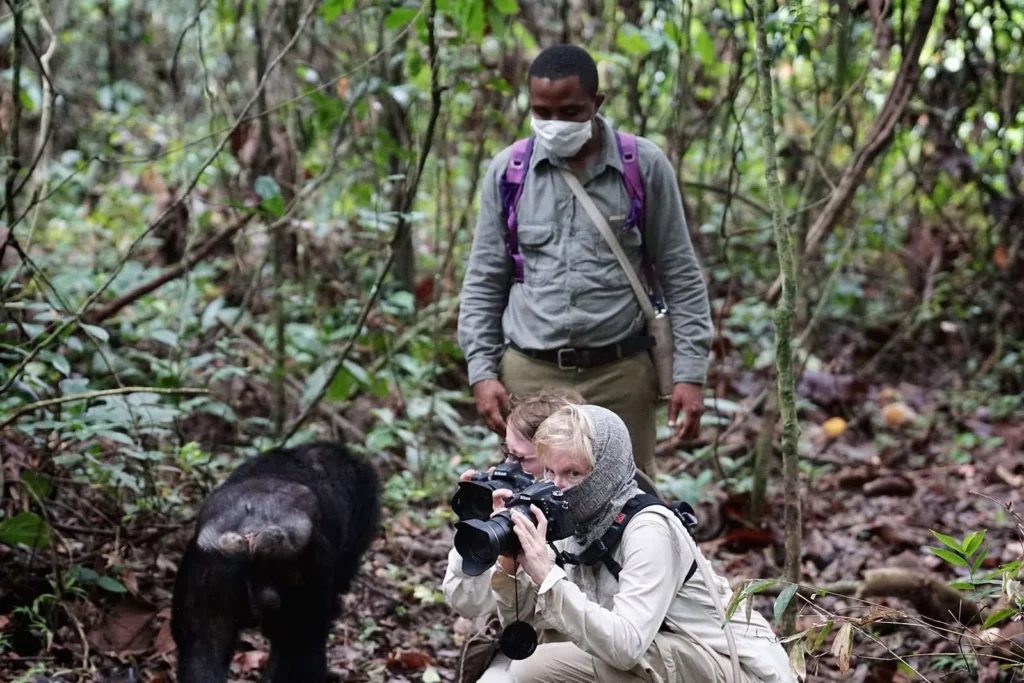
What Should I Wear for Chimpanzee Tracking in Uganda?
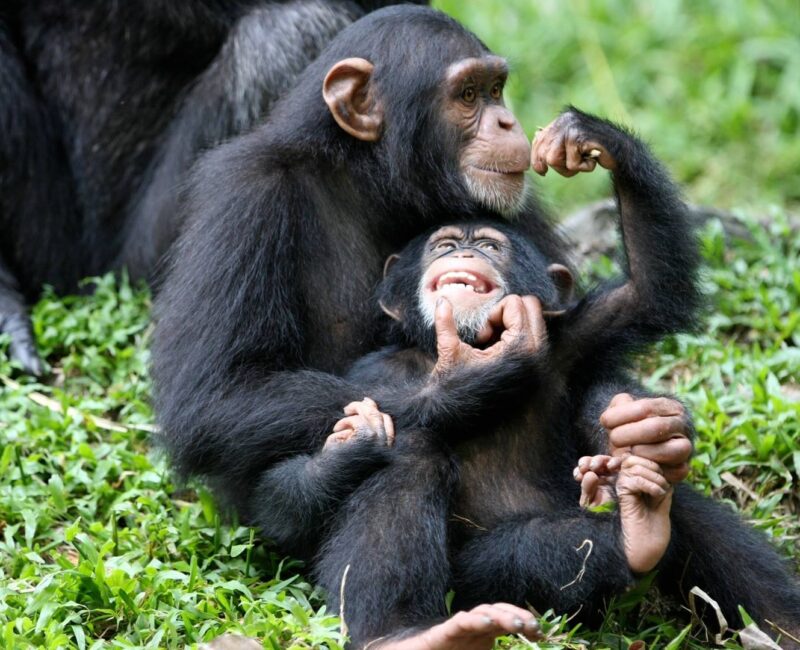
One of the first questions many travelers planning Uganda Safaris ask is: What should I wear for chimpanzee tracking in Uganda? Chimpanzee trekking is one of the most rewarding wildlife experiences in Uganda, offering an intimate encounter with our closest primate relatives in Kibale Forest National Park, Budongo Forest, and other protected reserves. However, unlike traditional game drives, chimpanzee tracking involves walking through dense tropical forests with variable terrain, mud, and sometimes steep or slippery trails. Wearing appropriate clothing and gear is essential for comfort, safety, and maximizing the enjoyment of Uganda Chimpanzee Safaris.
Proper attire not only enhances your trekking experience but also ensures safety, allows you to blend into the environment, and minimizes negative impacts on the forest habitat. Many travelers also ask: Can chimpanzee tracking be combined with Uganda Gorilla Trekking Safaris, and does clothing overlap between experiences? The answer is yes. With smart choices in layering, footwear, and protective accessories, the same clothing suitable for chimpanzee tracking can also serve for gorilla trekking, birding, and forest-based wildlife exploration. Nkofu Africa Safaris ensures visitors are fully briefed on attire, allowing you to enjoy Uganda Best Safaris safely and comfortably while also engaging in cultural and educational experiences along forest trails.
Understanding the Trekking Environment: Why Clothing Matters
Travelers frequently ask: What should I wear for chimpanzee tracking in Uganda, and why is it so important? The forests of Uganda present unique challenges, including high humidity, sudden rain showers, thorny vegetation, and uneven ground. Clothing should therefore prioritize protection, comfort, and functionality. Long sleeves and trousers help prevent scratches, insect bites, and sun exposure while allowing ease of movement. Breathable fabrics such as cotton blends or lightweight synthetics are ideal because they wick sweat and dry quickly, ensuring comfort throughout a multi-hour trek.
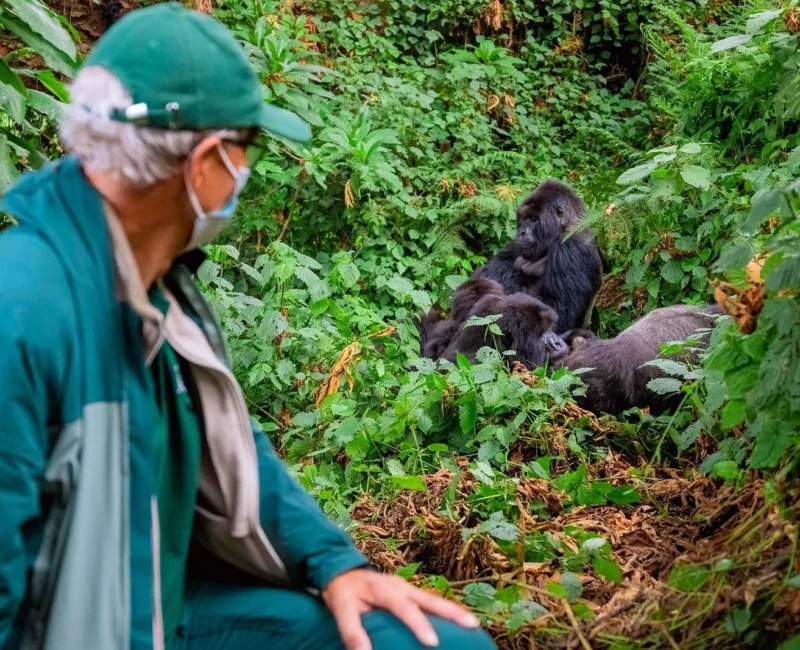
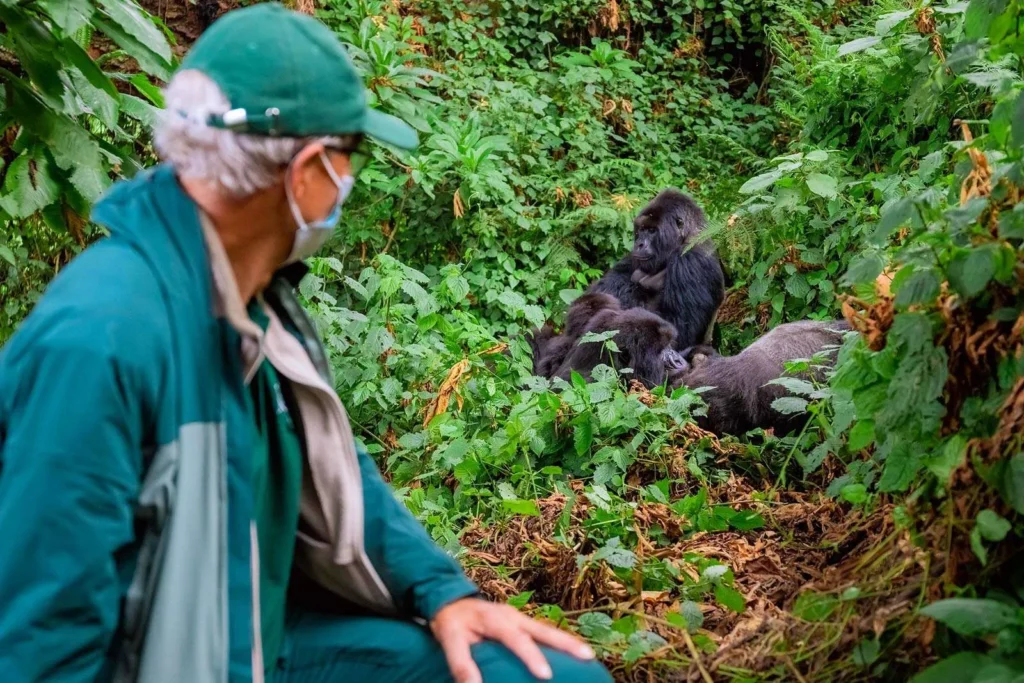
Many travelers also ask: Does the attire for chimpanzee tracking differ from Uganda Gorilla Trekking Safaris? While gorilla treks may require slightly warmer layers at higher elevations, the principles of protection, comfort, and mobility remain the same. Footwear is critical—sturdy hiking boots or trail shoes with good grip prevent slipping in muddy conditions and support the ankles during long walks. Trekking poles, gloves, hats, and rain gear are often recommended for added stability and protection.
Proper attire also enhances wildlife observation. Neutral-colored clothing, such as green, brown, or khaki, helps you blend into the forest environment, reducing disturbance to chimpanzees and other wildlife. Wearing bright colors is discouraged because it may startle primates and other forest species. Thus, thoughtful clothing choices directly contribute to the success of Uganda Chimpanzee Safaris and the overall enjoyment of Uganda’s wildlife-rich forests.
Essential Clothing Items for Chimpanzee Tracking
A question many travelers ask is: What specific items should I wear for chimpanzee tracking in Uganda? The following items are considered essential for a safe and comfortable trek:
Long-Sleeved Shirts and Trousers: Lightweight, breathable, and moisture-wicking to protect against sun, insects, and thorny vegetation.
Sturdy Hiking Boots or Trail Shoes: Provide traction, support, and protection from slippery terrain.
Rain Jacket or Poncho: Lightweight, waterproof outerwear is critical during Uganda’s frequent forest showers.
Hat and Sunglasses: Protects against sun exposure and enhances comfort during sunny breaks.
Gloves: Useful for handling rough vegetation, especially for higher trails.
Socks: Moisture-wicking hiking socks prevent blisters and add comfort during long walks.
Layered Clothing: For varying elevations, especially when combining chimpanzee tracking with gorilla trekking in cooler highlands.
Travelers often ask: Can these clothing items also be used for Uganda Birding Safaris or cultural forest walks? Yes. Neutral, breathable layers, sturdy footwear, and rain protection work well for birding along forest trails, walking safaris, and cultural treks near local communities. Nkofu Africa Safaris often combines these activities into one itinerary, allowing a seamless transition between wildlife, birding, and cultural experiences.
Footwear and Accessories: How to Prepare for the Forest Terrain
A frequent question is: What shoes and accessories are most suitable for chimpanzee tracking in Uganda? Footwear is arguably the most important element of your attire. Hiking boots with ankle support prevent sprains, while deep-tread soles offer traction on slippery or muddy trails. Many trekkers choose breathable trail shoes for lighter walks, especially in Kibale Forest where trails can be wet and uneven.
Accessories complement safety and comfort. Trekking poles help maintain balance during steep climbs or slippery descents. Gloves protect hands from thorny vegetation and branches, and a wide-brimmed hat shields against sun and rain. Binoculars and a small daypack are essential for wildlife observation, photography, and carrying water, snacks, and rain gear. Many visitors ask: Can these items be combined with gorilla trekking or chimpanzee trekking gear? Absolutely. A well-prepared backpack with multi-purpose items allows travelers to participate in Uganda Gorilla Trekking Safaris, Uganda Chimpanzee Safaris, and forest birding walks without needing separate gear.
Proper preparation ensures that trekkers stay safe, dry, and comfortable, allowing full immersion in Uganda’s rich wildlife while minimizing fatigue and potential hazards.
Seasonal Considerations: Adjusting Attire for Uganda’s Climate
Travelers often ask: Does what I wear for chimpanzee tracking change by season? Uganda’s tropical climate features two wet seasons (March–May and October–November) and two dry seasons (December–February and June–September). Clothing should be adjusted to seasonal conditions to maintain comfort and safety.
Wet Seasons: Lightweight, quick-drying, and waterproof clothing is essential. Rain jackets, ponchos, and waterproof hiking boots protect against muddy conditions and sudden showers. Extra socks and gloves may also improve comfort.
Dry Seasons: Breathable layers and sun protection become more important, with hats and UV-protective clothing recommended. Light gloves can still be useful for handling thorny vegetation along forest trails.
Seasonal preparation also affects the combination of activities. Many travelers pair chimpanzee tracking with Uganda Gorilla Trekking Safaris or Uganda Birding Safaris. Wearing layered clothing that can adapt to different microclimates ensures comfort across forested, wetland, and highland areas, maximizing the enjoyment of Uganda Best Safaris throughout the year.
Combining Chimpanzee Tracking with Gorilla Trekking
A common question is: Can I wear the same clothing for chimpanzee tracking and Uganda Gorilla Trekking Safaris? Yes. Clothing suitable for forest trekking in Kibale or Budongo is generally suitable for gorilla treks in Bwindi Impenetrable Forest or Mgahinga Gorilla National Park. However, gorilla treks often occur at higher altitudes, so additional layers or warmer clothing may be needed.
Footwear and protective layers remain critical. Neutral-colored, durable clothing ensures both chimpanzees and gorillas are not disturbed, while rain gear and gloves provide safety and comfort. Trekking poles, hats, and hydration packs can be used interchangeably between the two experiences. By preparing thoughtfully, travelers can experience Uganda’s diverse primate encounters without needing separate wardrobes, creating seamless Uganda Gorilla Safaris and Uganda Chimpanzee Safaris experiences.
Cultural and Educational Considerations on Forest Trails
Travelers often ask: Can chimpanzee tracking attire also support cultural safari experiences? Yes. Forest trails often pass near local communities where visitors can learn about traditional practices, sustainable agriculture, and conservation efforts. Clothing that is modest, protective, and practical allows trekkers to participate comfortably while respecting local norms.
Uganda Cultural Safaris complement chimpanzee tracking, offering insights into how local communities coexist with primates and wildlife. Wearing neutral, breathable attire ensures comfort during walks and respectful engagement with local guides and villagers. Combining cultural and wildlife experiences provides an educational dimension to your Uganda Safaris, enhancing the value and memorability of your trip.
Safety, Comfort, and Practicality: Key Takeaways
Many travelers ask: What are the key principles for dressing appropriately for chimpanzee tracking in Uganda? The main considerations are safety, comfort, practicality, and minimizing disturbance to wildlife. Breathable, protective clothing; sturdy footwear; layered options; and essential accessories like gloves, hats, and rain gear ensure a safe and enjoyable trekking experience.
Proper attire supports extended walking, forest navigation, and outdoor learning. It also allows visitors to combine chimpanzee tracking with gorilla trekking, birding safaris, and cultural walks, creating a comprehensive Uganda Best Safaris itinerary. Nkofu Africa Safaris emphasizes preparation and guidance, ensuring travelers of all ages and fitness levels can participate safely and comfortably while maximizing wildlife sightings and educational opportunities.
Conclusion: What Should I Wear for Chimpanzee Tracking in Uganda?
In summary, travelers planning Uganda Chimpanzee Safaris should prioritize functional, protective, and comfortable clothing. Long sleeves, long trousers, sturdy footwear, gloves, rain jackets, hats, and breathable layers are essential for forest treks. These items not only enhance safety and comfort but also allow trekkers to engage in photography, wildlife observation, and cultural learning along the way.
Combining chimpanzee tracking with Uganda Gorilla Trekking Safaris, Uganda Birding Safaris, and Uganda Cultural Safaris is seamless when clothing is chosen thoughtfully. Neutral colors minimize disturbance to wildlife, and layered options provide adaptability across