Which Parks Are Best for Game Drives in Uganda?
February 12, 2026
6 Days Serengeti Migration Safari
February 13, 2026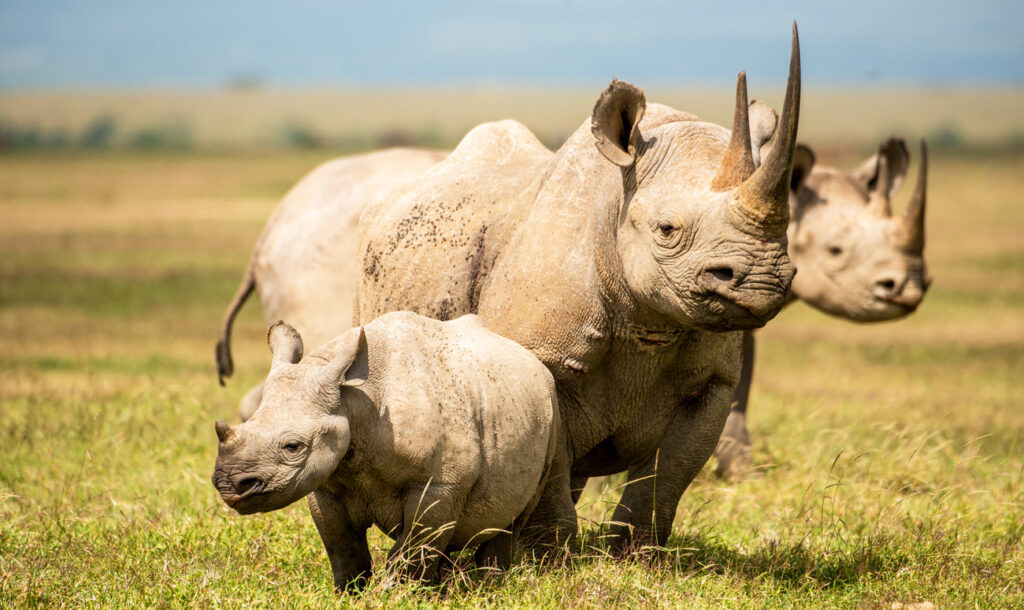
Why Are They Called the Big Five?
What Makes the Big Five So Special on African Safaris?
The term Big Five has captured the imagination of travelers worldwide, but understanding why they are called the Big Five requires delving into Africa’s rich wildlife heritage. Originally coined by big-game hunters, the Big Five refers to five of the continent’s most iconic and challenging animals to hunt on foot: the lion, leopard, rhinoceros, elephant, and Cape buffalo. Today, this term has transformed into a symbol of wildlife adventure, drawing visitors to both Rwanda Safaris and Uganda Safaris to witness these majestic creatures in their natural habitats. Rwanda offers exceptional opportunities for Big Five Safaris, particularly in Akagera National Park, where elephants, lions, and buffalo roam freely across savannah landscapes. Uganda Safaris, especially in Murchison Falls and Queen Elizabeth National Park, provide prime Big Five viewing, with leopards often spotted during early morning game drives. Wildlife enthusiasts often combine these safaris with Rwanda Birding Safaris or Uganda Birding Safaris to enjoy the region’s remarkable avian diversity, while Rwanda Cultural Safaris or Uganda Cultural Safaris allow visitors to engage with local communities, experience traditional music, dance, and crafts, and gain insights into the intertwined human and wildlife history of East Africa. Understanding why they are called the Big Five enriches the safari experience, highlighting not only the thrill of encountering these animals but also the importance of conservation initiatives that protect them from poaching and habitat loss. Combining Big Five Safaris with Gorilla Safaris in Rwanda or Uganda creates a uniquely memorable adventure that blends forest trekking, savannah game drives, and cultural immersion in one extraordinary journey.
How Can Travelers Reach the Best Big Five Safari Destinations?
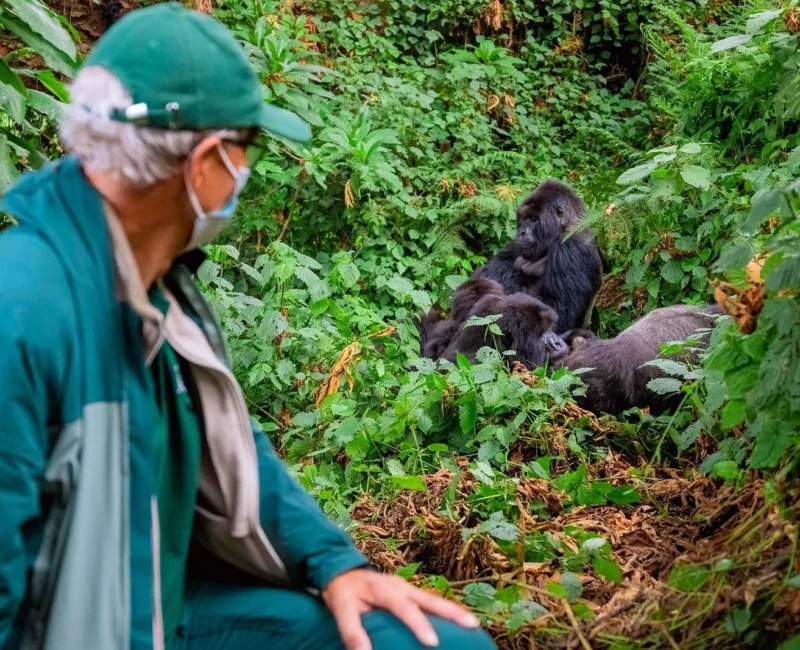
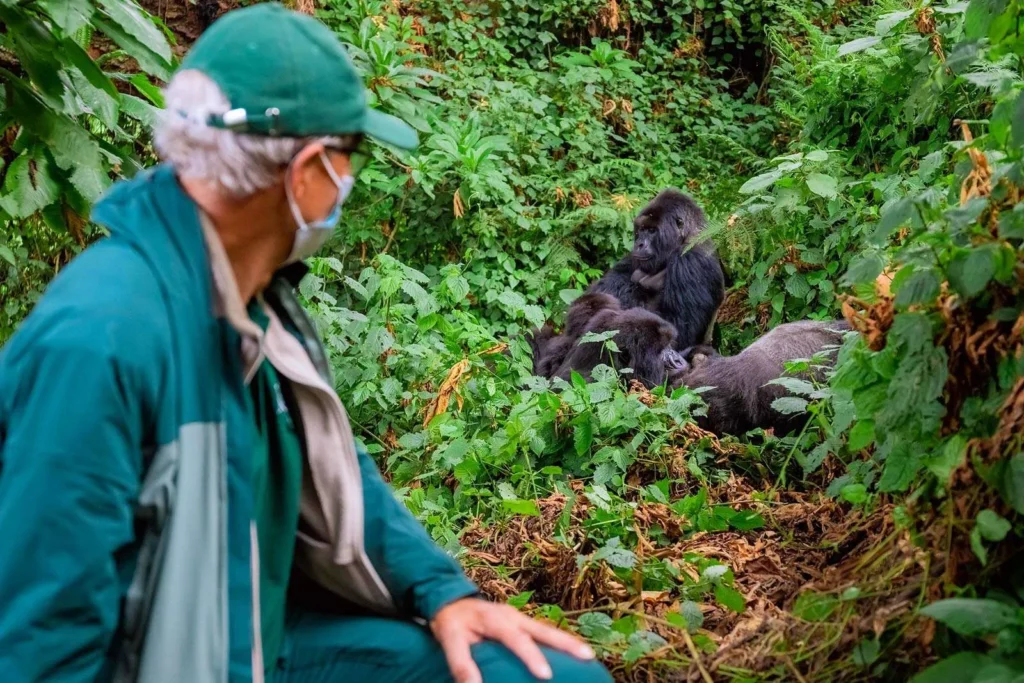
Reaching destinations that showcase the Big Five requires careful planning, and knowing why they are called the Big Five helps travelers appreciate the value of these iconic wildlife encounters. Rwanda Safaris begin conveniently at Kigali International Airport, with transfers leading to Akagera National Park. Roads and lodges are well-maintained, allowing visitors to enjoy comfortable access to elephants, lions, buffalo, and rare antelope species while participating in Big Five Safaris. In Uganda, Entebbe International Airport serves as the main gateway for Uganda Safaris, with road or domestic flight connections to Murchison Falls and Queen Elizabeth National Park. Combining Uganda Gorilla Trekking with Big Five Safaris enables tourists to enjoy both forest and savannah ecosystems, observing gorillas in Bwindi Impenetrable Forest before embarking on thrilling game drives. Professional safari operators like EcoQuest Safaris ensure seamless logistics, from secure park permits to expert guides who interpret animal behavior and ecosystem dynamics. Travelers can also add Rwanda Birding Safaris or Uganda Birding Safaris to their itinerary, enhancing encounters with rare and endemic bird species. Understanding why they are called the Big Five encourages guests to respect wildlife and participate in sustainable tourism, ensuring these incredible animals continue to thrive for future generations while enjoying the full range of safari experiences across East Africa.
What Should Travelers Expect During Big Five Safaris?
Expectations during Big Five Safaris are best managed by understanding why they are called the Big Five, as this reveals both the challenge and thrill of wildlife encounters. Game drives in Rwanda and Uganda often occur during early morning or late afternoon, when wildlife is most active. In Akagera National Park, Rwanda Best Safaris offer the chance to spot elephants bathing, lions hunting, and Cape buffalo grazing, while nearby wetlands attract a diversity of bird species for Rwanda Birding Safaris enthusiasts. Uganda Safaris, particularly in Queen Elizabeth National Park, provide dramatic views of tree-climbing lions and elusive leopards, complemented by boat safaris along the Kazinga Channel. Guests combining Uganda Gorilla Trekking with Big Five Safaris experience an exceptional contrast of habitats, witnessing gorillas in misty forests before entering open savannahs for game drives. Costs for Big Five Safaris vary by park and duration, generally ranging from $300 to $1,000 per day depending on accommodations, permits, and additional experiences. Peak seasons for wildlife viewing coincide with dry periods from June to September and December to February, optimizing sightings and trail accessibility. Cultural Safaris integrated with Big Five Safaris allow travelers to interact with local communities, attend traditional ceremonies, and explore indigenous crafts. Observing these majestic animals responsibly, while following park guidelines, ensures a rewarding and safe safari experience. Understanding why they are called the Big Five not only highlights their historical significance but also deepens appreciation for conservation efforts that maintain Africa’s extraordinary biodiversity.
Why Choose EcoQuest Safaris for Big Five and Gorilla Safaris?
Selecting EcoQuest Safaris guarantees expertise, safety, and unforgettable experiences for travelers who wish to understand why they are called the Big Five while enjoying East Africa’s diverse wildlife. Our tailored Rwanda Safaris and Uganda Safaris combine Big Five Safaris, Rwanda Gorilla Trekking Safaris, Uganda Gorilla Safaris, Birding Safaris, and Cultural Safaris for fully immersive adventures. Expert guides ensure ethical wildlife viewing, explain animal behaviors, and enforce park rules to safeguard both visitors and wildlife. Guests can combine Uganda Gorilla Trekking with Big Five Safaris, creating a seamless journey that explores both forested mountains and expansive savannahs. EcoQuest Safaris also provides insider knowledge on the best times for viewing, premium accommodations, and opportunities for cultural immersion in local communities. Rwanda Best Safaris and Uganda Best Safaris curated by our team offer unique photographic, educational, and emotional experiences that position travelers at the forefront of responsible and adventurous tourism. Understanding why they are called the Big Five enhances each journey, ensuring that every encounter is not only thrilling but also respectful of Africa’s natural heritage. Our commitment to excellence, safety, and conservation makes EcoQuest Safaris a trusted partner for anyone seeking authentic and transformative safari experiences in East Africa.
How Can Cultural Experiences Enhance Big Five Safaris?
Integrating cultural encounters into Big Five Safaris deepens the travel experience and provides context for understanding why they are called the Big Five. Visiting Rwandan villages or Ugandan communities near national parks allows travelers to observe traditional farming practices, music, dance, and local folklore that have coexisted with wildlife for centuries. Rwanda Cultural Safaris and Uganda Cultural Safaris enrich Big Five Safaris by offering interactions with local artisans, participation in ceremonial dances, and sampling traditional cuisine. Birding enthusiasts can also enjoy Rwanda Birding Safaris and Uganda Birding Safaris while on game drives, spotting rare species in diverse ecosystems. Combining these cultural experiences with Uganda Gorilla Trekking or Rwanda Gorilla Trekking Safaris creates a holistic journey that highlights Africa’s wildlife, people, and landscapes. Understanding why they are called the Big Five reminds travelers that these animals are not just trophies but living symbols of Africa’s ecological and cultural richness, deserving protection through sustainable tourism practices. By following park rules and engaging respectfully with communities, visitors contribute to conservation efforts and create meaningful connections that last long after the safari ends.