Which Destination Offers the Best Uganda Gorilla Safaris
December 9, 2025
Which Lodges Are Closest to Bwindi Impenetrable Forest for Gorilla Safaris?
December 9, 2025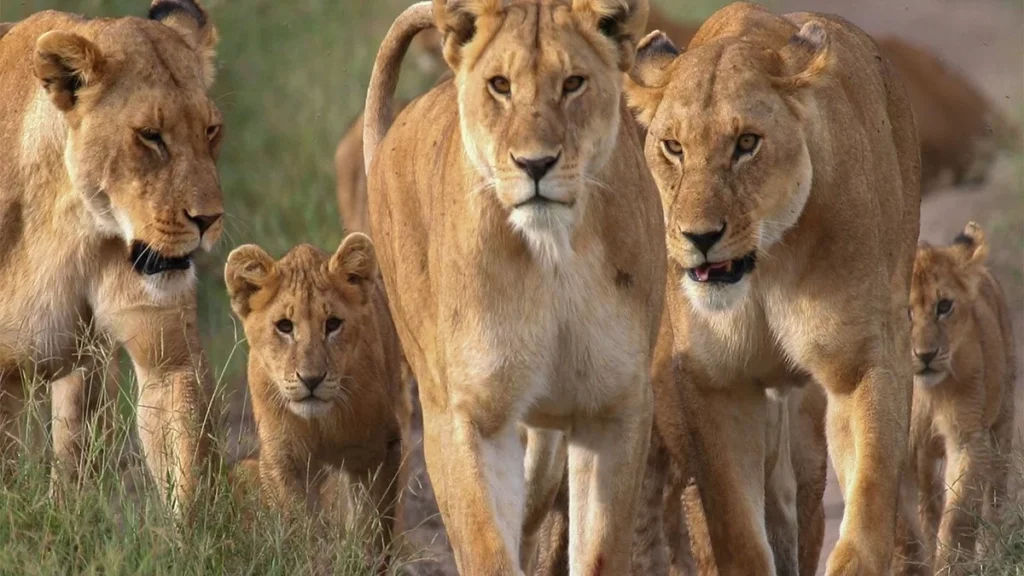
Which is Better for Wildlife Safaris: Kenya or Tanzania?
Many travelers ask, “Which is better for Wildlife Safaris: Kenya or Tanzania?” This is one of the most common questions among safari enthusiasts planning East African adventures. Kenya and Tanzania are globally renowned for their abundant wildlife, sprawling savannahs, and immersive safari experiences. Yet, understanding the nuances of each country, their parks, wildlife density, and safari logistics is crucial for making an informed decision.
Introduction: Exploring East Africa’s Wildlife Heartlands
Nkofu Africa Safaris specializes in curating tailor-made itineraries across East Africa, combining Uganda Safaris, Uganda Gorilla Trekking Safaris, and the iconic wildlife experiences in Kenya and Tanzania. Travelers can enjoy Uganda Wildlife Safaris or Uganda Birding Safaris before or after exploring the Maasai Mara in Kenya or the Serengeti in Tanzania, creating a holistic East African adventure.
The question Which is better for Wildlife Safaris: Kenya or Tanzania? extends beyond animal sightings. It encompasses considerations such as safari duration, seasonality, park accessibility, accommodation options, and cultural experiences. Both countries have unique offerings that appeal to different types of travelers, from photographers seeking the Great Migration to families wanting accessible wildlife encounters. Understanding these differences is key to planning an unforgettable safari journey with Nkofu Africa Safaris, which prioritizes personalized service, sustainable tourism, and immersive wildlife encounters.
Kenya Safaris: The Iconic Wildlife Experience
When addressing “Which is better for Wildlife Safaris: Kenya or Tanzania?”, Kenya emerges as a prime destination for iconic wildlife viewing. Kenya Safaris are celebrated worldwide for the Maasai Mara National Reserve, Amboseli National Park, and Samburu Game Reserve. These parks offer close encounters with Africa’s Big Five — lions, elephants, leopards, rhinos, and buffaloes — within landscapes that are both photogenic and accessible.
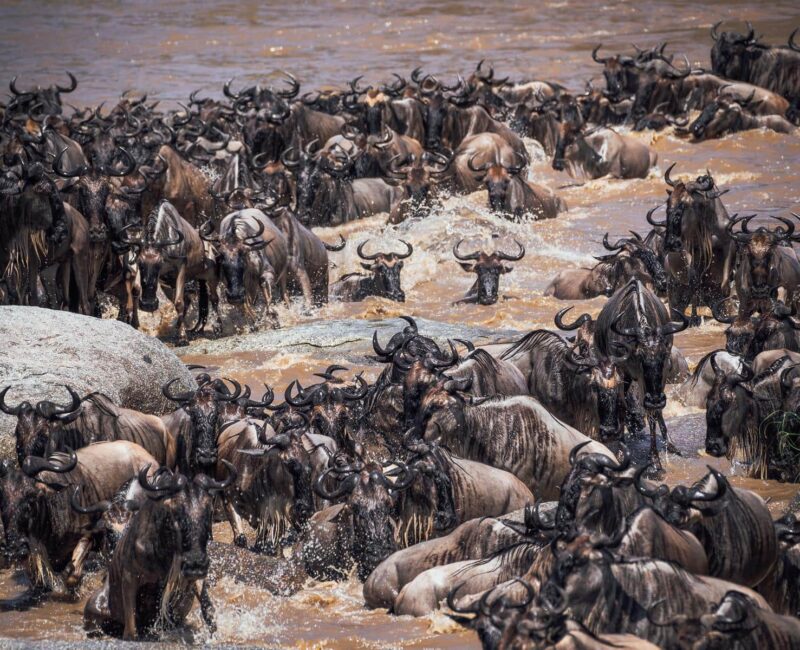
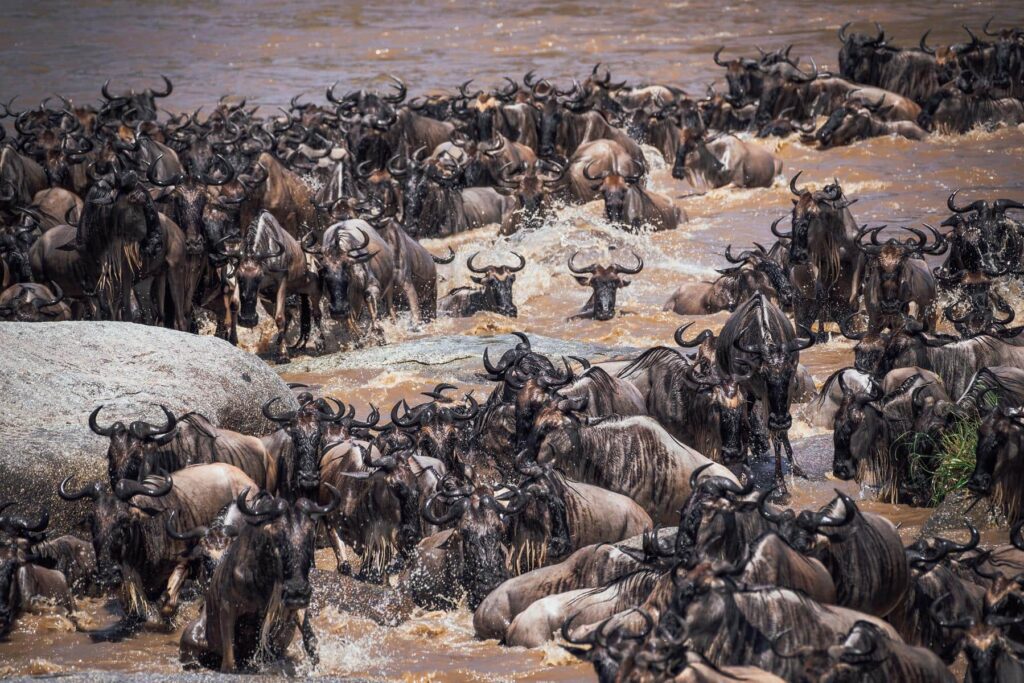
The Maasai Mara is particularly famous for the annual Great Migration, where millions of wildebeests and zebras traverse the plains in search of greener pastures. Safari-goers witness dramatic river crossings, predator-prey interactions, and vast herds that create unforgettable memories. Kenya’s parks are relatively compact, allowing for shorter travel times between locations and accommodating various safari styles, from luxury lodges to mobile camps.
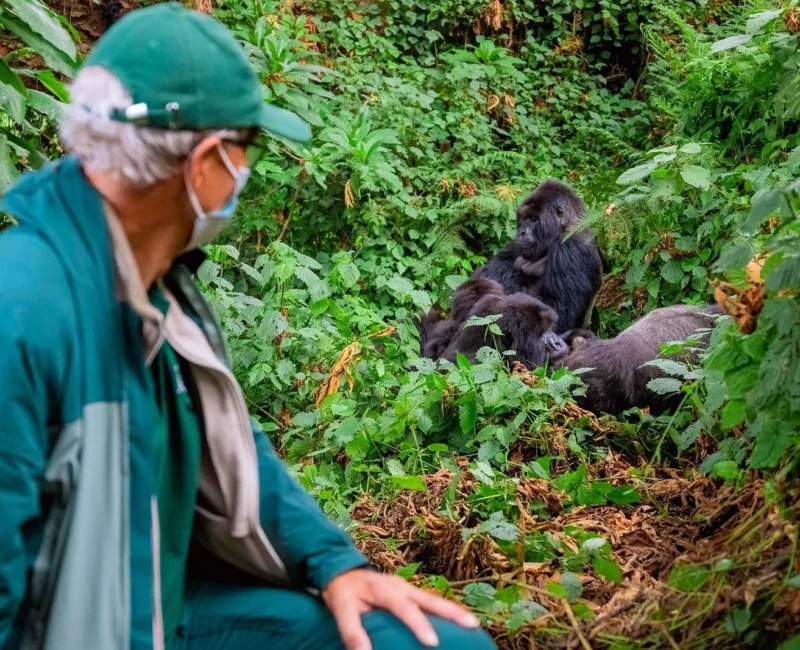
Nkofu Africa Safaris ensures travelers can combine Uganda Gorilla Trekking Safaris with Kenya Wildlife Safaris for a uniquely diverse East African itinerary. Visitors can trek gorillas in Uganda’s Bwindi Impenetrable Forest or Mgahinga National Park, then fly or drive to Kenya for Big Five game drives. This combination appeals to those seeking both primate encounters and classic savannah wildlife adventures, offering maximum value and exposure to East Africa’s most iconic species.
Kenya also excels in cultural tourism. Interactions with Maasai and Samburu communities allow travelers to learn traditional practices, participate in cultural dances, and explore village life. Combining these Kenya Safaris with Uganda Cultural Safaris enhances the depth of the safari, adding context and meaning to wildlife encounters.
Tanzania Safaris: Untamed Wilderness and Vast Landscapes
For travelers considering “Which is better for Wildlife Safaris: Kenya or Tanzania?”, Tanzania presents a different, equally compelling appeal. Tanzania Safaris are renowned for expansive wilderness areas such as the Serengeti, Ngorongoro Crater, Tarangire, and Selous Game Reserve. The country’s vast landscapes allow for longer drives, more remote encounters, and higher wildlife densities, creating a sense of untamed Africa.
The Serengeti is the crown jewel of Tanzanian wildlife, famous for its endless plains, abundant predators, and dramatic wildlife interactions. Unlike Kenya’s Maasai Mara, the Serengeti’s sheer size provides a more solitary experience, ideal for travelers who seek privacy and deep immersion in nature. Tanzania also hosts the Ngorongoro Crater, a UNESCO World Heritage site that combines incredible wildlife diversity with geological beauty, offering visitors a unique safari experience.
Nkofu Africa Safaris designs itineraries that allow travelers to combine Uganda Gorilla Trekking Safaris with Tanzania Wildlife Safaris, creating an East African adventure that balances primate trekking with iconic savannah safaris. A typical itinerary might include gorilla trekking in Bwindi or Mgahinga, followed by multiple days in Serengeti or Tarangire, maximizing exposure to wildlife and landscapes in one seamless journey.
Tanzania’s cultural experiences, including visits to Maasai villages and local artisan communities, complement wildlife encounters. Tanzania Safaris also offer birdwatching opportunities across various ecosystems, making them appealing for enthusiasts interested in Uganda Birding Safaris and broader avian exploration.
Comparing Wildlife Density and Safari Experiences
A central aspect of the question “Which is better for Wildlife Safaris: Kenya or Tanzania?” is wildlife density and diversity. Kenya’s parks, especially the Maasai Mara, are known for high predator concentrations and seasonal migrations, offering guaranteed wildlife sightings. The country’s smaller park sizes allow for shorter drives between sightings, ideal for travelers with limited time or those seeking luxury safari lodges with close access to wildlife.
Tanzania, on the other hand, offers unparalleled biodiversity across more extensive areas. While drives may be longer, the expansive plains of Serengeti, the woodlands of Tarangire, and the crater ecosystems of Ngorongoro create varied wildlife encounters, from lions lounging in acacia trees to elephants migrating through river valleys. For wildlife photographers and nature enthusiasts, Tanzania provides more remote and naturalistic settings, enhancing the sense of adventure and authenticity.
By understanding these nuances, travelers can answer Which is better for Wildlife Safaris: Kenya or Tanzania? according to their priorities. Nkofu Africa Safaris provides expertise in tailoring safari itineraries to match interests, whether one seeks the concentrated drama of Kenya or the expansive wilderness of Tanzania. Combining these safaris with Uganda Wildlife Safaris or Uganda Gorilla Trekking Safaris further diversifies the experience, offering both primate encounters and Big Five adventures.
Seasonality and the Great Migration
Seasonality is a critical factor when comparing Kenya and Tanzania for wildlife safaris. Travelers often ask, “Which is better for Wildlife Safaris: Kenya or Tanzania?” in terms of timing. Kenya’s Maasai Mara is best visited during the Great Migration, usually between July and October, when wildebeests and zebras cross the Mara River in dramatic spectacles. This period guarantees breathtaking predator-prey interactions and abundant wildlife sightings.
Tanzania’s Serengeti, however, offers year-round safari opportunities, with the Great Migration moving through different regions depending on the season. From January to March, herds are in the southern Serengeti; from April to June, they move towards western corridors; and from July to October, they reach the northern Serengeti near Kenya’s border. This seasonal movement allows travelers to plan extended safari experiences across both countries, observing different stages of migration and ecosystem dynamics.
Nkofu Africa Safaris leverages this knowledge to design itineraries that combine Uganda Gorilla Trekking Safaris with timed wildlife adventures in Kenya and Tanzania. Understanding seasonality ensures travelers maximize sightings and enjoy high-value safari experiences, addressing the question Which is better for Wildlife Safaris: Kenya or Tanzania? with precision and expertise.
Accommodation and Tourism Infrastructure
Infrastructure also affects the safari experience. When asking “Which is better for Wildlife Safaris: Kenya or Tanzania?”, it is important to compare accommodation and accessibility. Kenya boasts world-class lodges, luxury tented camps, and eco-friendly accommodations within or near the Maasai Mara and Amboseli, allowing travelers to stay close to wildlife while enjoying modern comforts.
Tanzania provides diverse options, from luxury lodges in Serengeti and Ngorongoro to remote mobile camps offering wilderness immersion. While some regions require longer drives between accommodations, the experience of staying amidst pristine landscapes and undisturbed wildlife is unmatched. For travelers combining these safaris with Uganda Gorilla Trekking Safaris, accommodation planning is crucial for ensuring comfort, minimizing travel fatigue, and maintaining a seamless itinerary.
Nkofu Africa Safaris specializes in organizing seamless transfers, luxury stays, and well-timed game drives across Kenya, Tanzania, and Uganda. This level of planning enhances trustworthiness and ensures travelers experience the best safari accommodations while maintaining a connection to wildlife and cultural experiences.
Combining Kenya, Tanzania, and Uganda Safaris
Many travelers wonder, “Which is better for Wildlife Safaris: Kenya or Tanzania?” The ultimate answer is that combining experiences across multiple countries often offers the most enriching adventure. Starting with Uganda Gorilla Trekking Safaris, visitors can trek mountain gorillas in Bwindi or Mgahinga, then proceed to Kenya’s Maasai Mara or Tanzania’s Serengeti for Big Five game drives.
This combination allows travelers to witness primates in dense forests, savannah wildlife in open plains, and cultural traditions across three countries. Birdwatchers can integrate Uganda Birding Safaris, observing rare Albertine Rift endemics, while cultural enthusiasts enjoy Uganda Cultural Safaris and Maasai interactions in Kenya or Tanzania. This approach maximizes diversity, ensures memorable wildlife encounters, and positions travelers as knowledgeable participants in East Africa’s safari offerings.
Through Nkofu Africa Safaris, visitors gain expert guidance in cross-border safari planning, achieving a balance between adventure, comfort, and wildlife immersion. This approach also addresses the original question by showing that both Kenya and Tanzania have strengths, and the “better” option often depends on the type of safari experience desired and the possibility of combining it with Uganda’s unique primate adventures.
Conclusion: Kenya vs Tanzania – Making the Right Choice
In conclusion, travelers asking “Which is better for Wildlife Safaris: Kenya or Tanzania?” must consider accessibility, wildlife density, seasonality, accommodation, cultural experiences, and safari duration. Kenya excels in concentrated, dramatic wildlife encounters, particularly during the Great Migration, with high-quality lodges and short transfer times. Tanzania offers vast, untamed wilderness, higher wildlife diversity, and opportunities for extended safaris in remote landscapes.
For the ultimate East African adventure, combining Uganda Gorilla Trekking Safaris with either Kenya or Tanzania ensures travelers experience primates, Big Five wildlife, birding, and cultural immersion in one seamless itinerary. Nkofu Africa Safaris provides the expertise, planning, and logistical support needed to create safe, memorable, and enriching safari experiences that cater to all preferences.
Ultimately, the answer to Which is better for Wildlife Safaris: Kenya or Tanzania? depends on individual priorities, adventure levels, and the desire to integrate Uganda’s gorilla trekking or cultural experiences. By understanding these factors and planning strategically, travelers enjoy a comprehensive East African safari that combines wildlife, culture, and adventure in a single, unforgettable journey.