Where is the Best Place for Chimpanzee Tracking in Uganda?
December 8, 2025
Which Destination Offers the Best Uganda Gorilla Safaris
December 9, 2025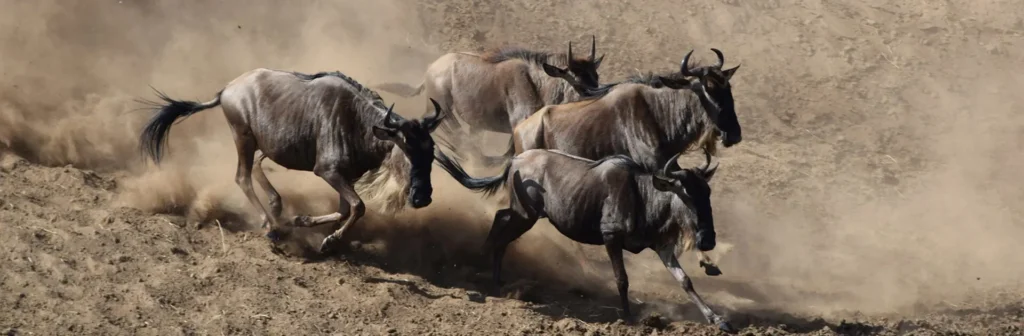
Which Countries Can I See the Great Migration In?
When travelers ask, Which countries can I see the Great Migration in?, they are inquiring about one of the most awe-inspiring wildlife spectacles on Earth. The Great Migration, the annual movement of millions of wildebeest, zebras, and other herbivores across East Africa, is a bucket-list experience for safari enthusiasts worldwide. This phenomenon is central to Kenya Safaris and Tanzania Safaris, offering unparalleled opportunities for wildlife photography, predator observation, and immersive natural experiences.
Introduction: Understanding the Great Migration Experience
The Great Migration is not confined to a single location. It spans ecosystems across the Serengeti-Mara ecosystem, crossing national borders and highlighting the interconnectedness of Africa’s savannahs. Witnessing this event provides context for other safari activities, including Kenya Wildlife Safaris, Tanzania Wildlife Safaris, Kenya Birding Safaris, and even Tanzania Chimpanzee Tracking Safaris, which showcase East Africa’s biodiversity beyond the migratory herds.
Moreover, travelers often combine the Great Migration with cultural experiences, such as Kenya Cultural Safaris, to understand the traditions of Maasai and other pastoralist communities living alongside these iconic landscapes. For those seeking multi-country adventures, combining Uganda Gorilla Trekking Safaris with Kenya or Tanzania safaris allows tourists to experience both primate trekking and the spectacle of the migration, creating a complete East African wildlife journey. Understanding where and when to see the Great Migration helps travelers plan effectively, ensuring that their safari experience is both memorable and meaningful.
Kenya: The Northern Frontier of the Great Migration
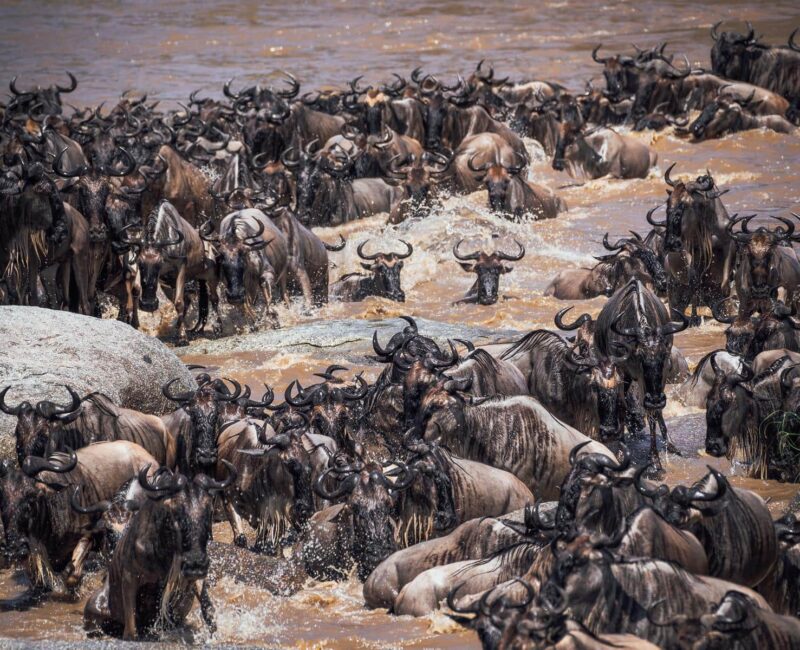
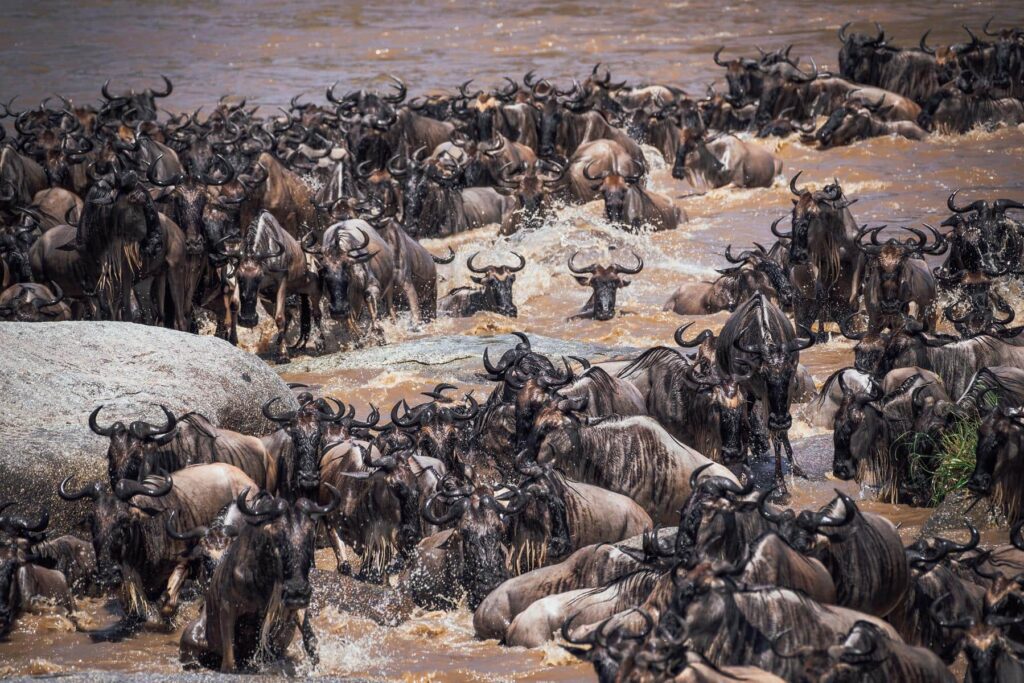
A primary question is, Which countries can I see the Great Migration in, and how does Kenya feature? Kenya is home to the Maasai Mara National Reserve, one of the most famous destinations for witnessing the migration. From July to October, millions of wildebeest and zebras move north from Tanzania’s Serengeti into the Mara in search of fresh grazing. The dramatic river crossings along the Mara River, where predators await, provide some of the most thrilling photographic and wildlife viewing opportunities globally.
Kenya Safaris during this period allow visitors to observe the interaction between predators and prey, a highlight of Kenya Wildlife Safaris. Lion prides, crocodiles, and opportunistic hyenas are active during the river crossings, creating dynamic and unforgettable encounters. Bird enthusiasts also benefit, as the Mara hosts diverse avian species, making it a prime destination for Kenya Birding Safaris.
Visitors can enhance their experience by participating in cultural tours within Maasai villages, learning about traditional lifestyles, beadwork, and cattle herding. Combining Kenya Cultural Safaris with wildlife observation allows for a holistic experience, highlighting the delicate balance between human communities and wildlife in East Africa. For those planning longer itineraries, pairing Kenya Safaris with Uganda Gorilla Trekking Safaris or Tanzania Safaris maximizes exposure to East Africa’s premier wildlife spectacles and cultural experiences.
Tanzania: The Heart of the Migration
When asking, Which countries can I see the Great Migration in, Tanzania is often considered the heart of the experience. The Serengeti National Park serves as the origin point for the migratory journey, where calving season occurs between January and March. During this period, vast herds of wildebeest give birth, attracting predators such as lions, cheetahs, and hyenas, making it a perfect window for Tanzania Wildlife Safaris.
Tanzania’s Serengeti ecosystem, combined with the Ngorongoro Crater and surrounding conservation areas, allows travelers to witness different phases of the migration throughout the year. From grazing in the southern Serengeti to moving northwest toward the Mara, the movement spans thousands of square kilometers, offering photographers and wildlife enthusiasts a continuous spectacle. Bird watchers also enjoy Tanzania Birding Safaris, observing both resident and migratory species that coincide with the herbivore movement.
For adventure travelers, combining Tanzania Great Migration experiences with Tanzania Chimpanzee Tracking Safaris in Gombe or Mahale Mountains adds depth to their itinerary. The juxtaposition of grassland migration and forest primates creates a rich, diverse safari adventure. Cultural visits to local tribes, such as the Hadzabe and Datoga, further enrich the experience, offering insights into communities that have coexisted with the wildlife for generations. Travelers asking Which countries can I see the Great Migration in should note that Tanzania provides the most extensive and immersive migratory landscapes in East Africa.
Timing and Seasonality of the Great Migration
A key consideration for travelers is, Which countries can I see the Great Migration in, and when is the best time? Timing varies by location. In Tanzania’s southern Serengeti, the calving season peaks from January to March, offering dramatic predator-prey interactions. From April to June, the herds move gradually northwest, with fewer river crossings but still significant wildlife activity. By July to October, the migration reaches Kenya’s Maasai Mara, culminating in iconic river crossings that are the hallmark of Kenya Safaris during this season.
Seasonality also affects safari planning for those combining multiple destinations. For example, travelers can begin with Tanzania Safaris in the Serengeti, then transition to Kenya Safaris in the Maasai Mara to follow the herds, ensuring continuous wildlife viewing. Combining these safaris with Uganda Gorilla Trekking Safaris allows tourists to experience both the dramatic plains of the migration and the dense forests of Bwindi, creating a well-rounded East African safari.
For birding enthusiasts, different seasons attract distinct species. Migratory birds align with the wildebeest movement, enhancing Kenya Birding Safaris and Tanzania Birding Safaris. This timing also intersects with cultural activities, such as local harvest celebrations and traditional ceremonies, making seasonal planning essential for those seeking a comprehensive and enriching safari experience.
Combining Wildlife, Birding, and Cultural Experiences
Travelers often ask, Which countries can I see the Great Migration in while also exploring cultural and birding experiences? Both Kenya and Tanzania offer opportunities to combine wildlife viewing with other safari dimensions. In the Maasai Mara, travelers can engage in Kenya Cultural Safaris, visiting Maasai villages to learn about traditional lifestyles while witnessing the migration. Similarly, Tanzania’s Serengeti and Ngorongoro areas provide insights into the Maasai and Hadzabe tribes, offering a cultural lens alongside Tanzania Wildlife Safaris.
For bird enthusiasts, combining the Great Migration with Kenya Birding Safaris or Tanzania Birding Safaris provides opportunities to observe species that are unique to savannahs, wetlands, and rivers that the migratory herds traverse. From colorful kingfishers along waterways to raptors soaring above plains, the avian diversity complements the excitement of the migration.
Travelers can also pair Kenya Safaris and Tanzania Safaris with Rwanda Gorilla Trekking Safaris to create a cross-country East African wildlife adventure. This combination offers contrasting ecosystems—open savannahs with massive herds versus dense forests with endangered primates—allowing travelers to experience the continent’s ecological richness and complexity in a single itinerary.
Logistics and Travel Planning for the Great Migration
A common question is, Which countries can I see the Great Migration in, and how do I plan my itinerary? Understanding logistics is essential for maximizing the experience. Most visitors fly into Nairobi, Kenya, or Kilimanjaro, Tanzania, then transfer to the Maasai Mara or Serengeti. Road transfers and domestic flights allow efficient movement between parks, enabling travelers to follow the migration across both countries.
Combining Kenya Wildlife Safaris with Tanzania Wildlife Safaris allows for continuous observation of the herds while offering the flexibility to include Kenya Cultural Safaris, Kenya Birding Safaris, and Tanzania Chimpanzee Tracking Safaris. Partnering with experienced operators like Nkofu Africa Safaris ensures that travel routes, park entry permits, and accommodations are optimized for timing, wildlife visibility, and comfort. This approach allows travelers to answer the question Which countries can I see the Great Migration in with confidence and clarity, ensuring an unforgettable, well-structured safari experience.
Conservation and Sustainable Tourism Considerations
Another aspect travelers ask is, Which countries can I see the Great Migration in, and how does tourism impact conservation? Both Kenya and Tanzania have established conservation programs that protect migratory routes, wildlife, and habitats. The revenue from Kenya Safaris and Tanzania Safaris contributes to anti-poaching initiatives, habitat restoration, and community development, ensuring the long-term sustainability of the Great Migration.
Tourists combining wildlife and birding experiences are encouraged to follow ethical safari practices, including maintaining safe distances, minimizing noise, and supporting eco-friendly accommodations. By integrating Kenya Birding Safaris, Tanzania Chimpanzee Tracking Safaris, and Rwanda Gorilla Trekking Safaris, travelers not only enjoy diverse ecosystems but also actively contribute to sustainable tourism, protecting Africa’s natural and cultural heritage for future generations.
Conclusion: Experiencing the Great Migration Across East Africa
So, Which countries can I see the Great Migration in? The spectacular movement of millions of wildebeest, zebras, and other herbivores is visible primarily across Kenya Safaris in the Maasai Mara and Tanzania Safaris in the Serengeti. Both countries offer opportunities to combine wildlife viewing, birding, and cultural experiences, ensuring a comprehensive East African safari adventure.
Travelers can further enhance their experience by integrating Rwanda Gorilla Trekking Safaris or Tanzania Chimpanzee Tracking Safaris, creating a multi-country, multi-ecosystem journey that highlights East Africa’s biodiversity and cultural richness. Proper planning, awareness of seasonal migration patterns, and collaboration with experienced safari operators like Nkofu Africa Safaris allow tourists to witness this iconic spectacle safely, comfortably, and sustainably.
Ultimately, the Great Migration is more than just a wildlife event—it is a living demonstration of Africa’s ecological complexity, resilience, and beauty. Combining it with birding, cultural tours, and primate trekking makes it a truly unforgettable adventure, solidifying the status of Kenya Best Safaris and Tanzania Great Migration as world-class safari experiences.