Which Time of Year is Best for a Kenya Safari?
December 15, 2025
What Wildlife Can I See in Nairobi National Park?
December 16, 2025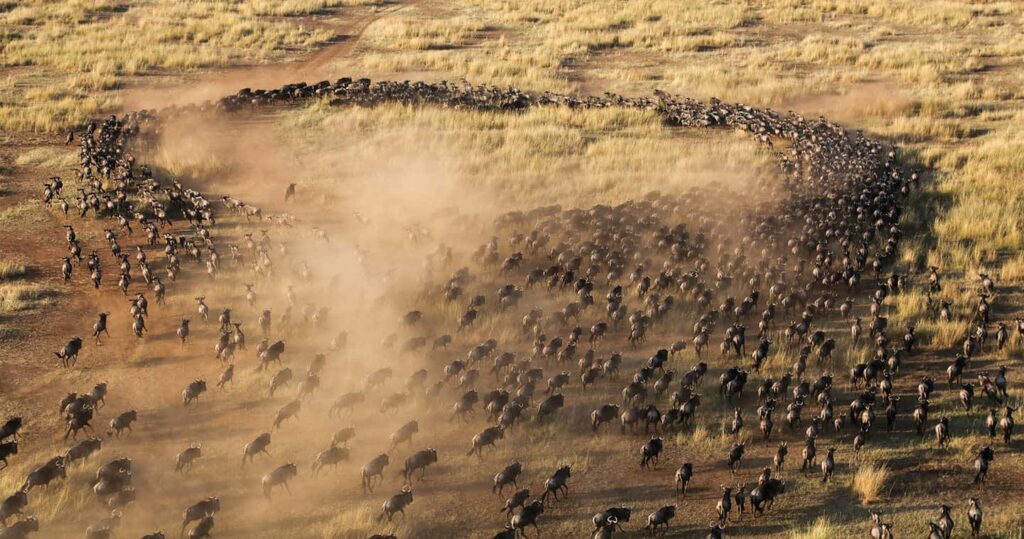
When is the Great Migration in Maasai Mara?
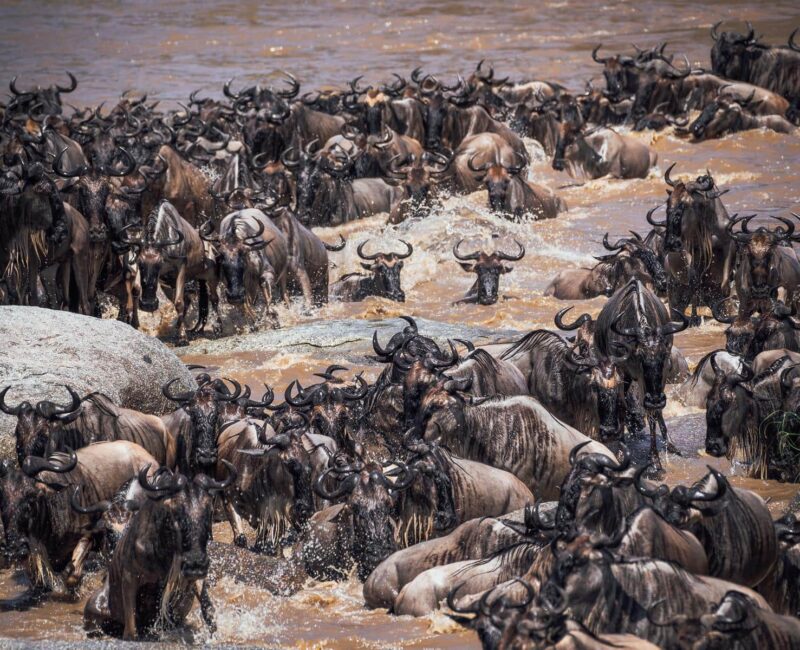
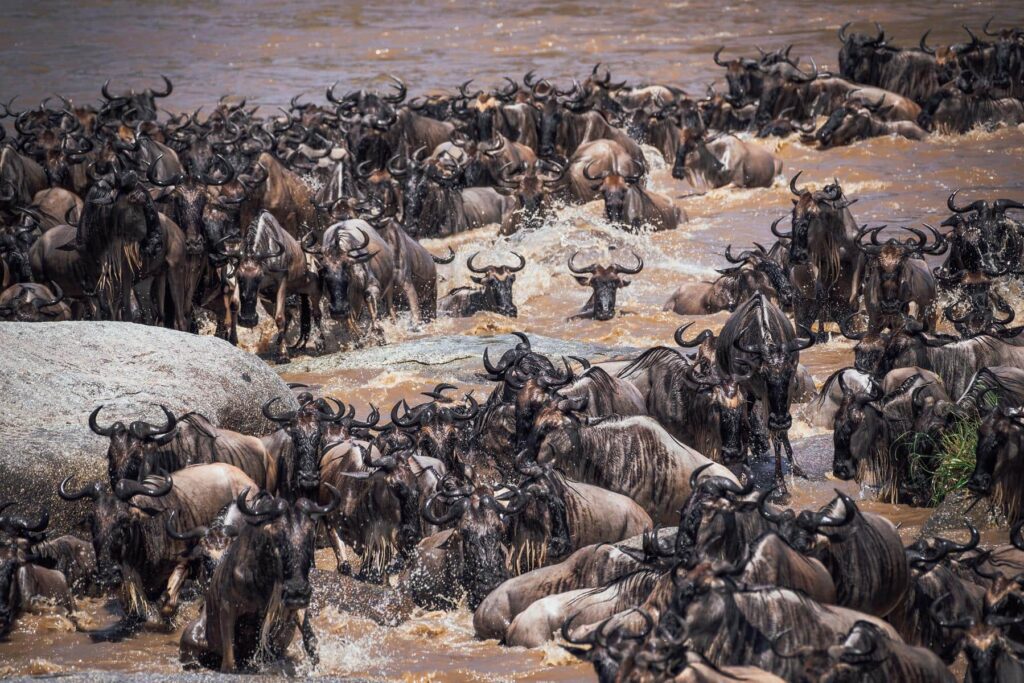
The Great Migration in Maasai Mara is among the most breathtaking wildlife spectacles on Earth, drawing travelers from around the globe to witness millions of wildebeest, zebras, and gazelles moving across the savannah in search of fresh grazing. When is the Great Migration in Maasai Mara? Typically, this spectacular movement occurs from July to October, coinciding with the dry season in Kenya when the Mara River crossings take place. These months present the highest chance to witness dramatic predator-prey interactions, as crocodiles, lions, and leopards take advantage of the migration. Kenya safaris centered around the Great Migration provide travelers with unforgettable wildlife encounters, combining the thrill of witnessing nature’s raw dynamics with luxurious and comfortable safari accommodations. Maasai Mara National Reserve, the epicenter of this annual phenomenon, is also home to a remarkable diversity of species, making Kenya wildlife safaris in this region rewarding year-round. Visitors can witness not only the Great Migration but also rhinos, cheetahs, elephants, and over 450 bird species, making Kenya birding safaris equally enticing. For those seeking extended adventures, Maasai Mara safaris can be combined with Uganda gorilla trekking safaris, allowing travelers to experience both the open savannah plains of Kenya and the dense tropical forests of Uganda in one seamless East African journey.
Maasai Mara’s landscapes provide an ideal backdrop for observing the Great Migration. When is the Great Migration in Maasai Mara? While July to October represents peak viewing, the movement of herds is continuous and can be observed in different stages throughout the year. From December to March, smaller groups of wildebeest arrive from the Serengeti to graze on the rejuvenated grasslands after the rains. Kenya best safaris in Maasai Mara offer guided game drives with expert trackers who can predict river crossings and predator locations, ensuring travelers experience every thrilling moment. Extended safaris allow visitors to explore the Mara River, open plains, and forested pockets, enhancing opportunities for Kenya wildlife safaris beyond the migration spectacle. Cultural encounters with the Maasai people, renowned for their traditional pastoral lifestyle, enrich Kenya cultural safaris, offering insight into centuries-old practices and coexistence with wildlife. Combining this experience with Uganda gorilla trekking safaris adds a contrasting ecosystem and a unique primate-focused adventure, elevating the overall East African safari itinerary.
The Epic Journey of the Great Migration
The Great Migration in Maasai Mara is one of the most extraordinary wildlife events globally, attracting safari enthusiasts eager to witness nature’s drama firsthand. When is the Great Migration in Maasai Mara? It peaks from July to October, when over a million wildebeest and hundreds of thousands of zebras and gazelles cross the Mara River, navigating crocodile-infested waters under the watchful eyes of lions and leopards. Kenya wildlife safaris during this period offer unprecedented wildlife viewing, creating unforgettable photographic and observational opportunities. Expert guides from EcoQuest Safaris lead carefully planned game drives, ensuring visitors experience the most thrilling river crossings, predator-prey interactions, and herd movements while maintaining safety and comfort. The migratory spectacle is not only a visual delight but also a profound lesson in ecological balance, predator-prey dynamics, and animal behavior.
Visitors to Maasai Mara can also participate in Kenya birding safaris during the Great Migration. Bird species such as African fish eagles, vultures, and storks follow the herds, creating vibrant aerial displays and adding an extra dimension to wildlife observation. The savannah also hosts cheetahs, elephants, giraffes, and rhinos, allowing travelers to engage in Kenya wildlife safaris beyond the migratory spectacle. Cultural experiences with the Maasai enhance Kenya cultural safaris, allowing visitors to learn about traditional beadwork, herding practices, and folklore that narrates the connection between local communities and wildlife. Combining Maasai Mara safaris with Uganda gorilla trekking safaris offers a contrasting adventure, allowing travelers to experience both open plains and dense tropical forests, maximizing the diversity of East African safari experiences.
Planning Your Great Migration Safari
Effective planning is key to maximizing the Great Migration experience. When is the Great Migration in Maasai Mara? Travelers seeking peak action should plan safaris between July and October to witness river crossings and predator activity. Early morning and late afternoon game drives provide optimal lighting for photography and the best chances to observe wildlife behavior. Kenya best safaris in Maasai Mara offer a variety of accommodation options, from luxury lodges with panoramic views to intimate tented camps close to wildlife zones. Guided safaris led by experienced EcoQuest Safaris professionals provide insights into animal behavior, ecological processes, and the historical significance of the Great Migration.
Expectations for Great Migration safaris include close encounters with wildebeest herds, witnessing dramatic river crossings, and observing predator-prey interactions in their natural habitats. Travelers should wear neutral-colored clothing, sturdy walking shoes, hats, and binoculars for optimal wildlife observation. Rehydration, sunscreen, and light layers are recommended due to temperature variations between morning and evening drives. Access to Maasai Mara is typically via road transfers or small aircraft from Nairobi, providing flexibility for different safari schedules. Combining Maasai Mara safaris with Uganda gorilla trekking safaris allows visitors to experience the contrast between the Mara’s open savannahs and Uganda’s dense forests, offering a holistic East African wildlife journey that balances adventure, wildlife, and culture.
Wildlife Encounters Beyond the Migration
Maasai Mara is much more than just the Great Migration. When is the Great Migration in Maasai Mara? Even outside the peak months, the reserve offers extraordinary Kenya wildlife safaris with diverse species including lions, elephants, rhinos, cheetahs, and buffaloes. Travelers can engage in early morning or late afternoon game drives to observe animal behavior in less crowded conditions. Kenya birding safaris complement these safaris, with over 450 recorded bird species, including raptors, waterbirds, and migratory species, enriching the overall wildlife experience.
Cultural immersion enhances the safari, allowing visitors to learn about Maasai traditions, visit villages, and engage with local communities. These Kenya cultural safaris experiences deepen the understanding of human-wildlife coexistence, demonstrating the cultural significance of the migratory herds. Photography enthusiasts find Maasai Mara especially rewarding, capturing wide-open savannah landscapes, dynamic predator-prey interactions, and intimate cultural moments. Combining Maasai Mara safaris with Uganda gorilla trekking safaris elevates the East African safari experience, contrasting the expansive plains of Kenya with the lush forests and endangered primate habitats of Uganda, creating a once-in-a-lifetime adventure.
Birding and Nature Observation in Maasai Mara
Birding safaris in Maasai Mara offer another dimension to wildlife exploration. When is the Great Migration in Maasai Mara? Peak migration months also coincide with high bird activity, making Kenya birding safaris particularly rewarding. Observers can witness raptors patrolling the skies, storks feeding along riverbanks, and colorful passerines inhabiting woodland edges. Guided birding tours enhance identification skills and ecological understanding, while walking safaris provide opportunities to observe smaller avian species and intricate ecological interactions.
Nature enthusiasts can explore forested areas, riverine ecosystems, and open plains, ensuring a comprehensive ecological experience. Kenya wildlife safaris in these areas complement birding by providing opportunities to see lions, leopards, and elephants in their natural habitats. Cultural experiences with Maasai communities further enrich Kenya cultural safaris, demonstrating traditional ecological knowledge and conservation practices. Combining Maasai Mara safaris with Uganda gorilla trekking safaris allows travelers to bridge East African ecosystems, experiencing the biodiversity of savannahs, forests, and rivers in a single journey.
When is the best time to see the Great Migration in Maasai Mara?
The optimal months are July to October, when wildebeest and zebra herds cross the Mara River, creating the most dramatic wildlife spectacle. Early morning and late afternoon game drives offer the best viewing opportunities.
How much does a Great Migration safari cost?
Costs vary depending on accommodation, duration, and inclusions. Kenya best safaris packages for 3-5 days range from $1,200 to $3,500 per person, including park fees, guided drives, and lodging. Combining with Uganda gorilla trekking safaris adds an additional cost but creates a complete East African adventure.
Conclusion
The Great Migration in Maasai Mara is a bucket-list experience for wildlife enthusiasts, birdwatchers, and cultural explorers. When is the Great Migration in Maasai Mara? Peak months from July to October ensure travelers witness the iconic river crossings and predator-prey dynamics, while year-round wildlife and birding opportunities complement Kenya wildlife safaris, Kenya birding safaris, and Kenya cultural safaris. Combining Maasai Mara safaris with Uganda gorilla trekking safaris allows visitors to experience contrasting ecosystems, creating a holistic East African adventure. EcoQuest Safaris ensures each safari is expertly guided, safe, and immersive, positioning the company as a trusted authority for unforgettable African safari experiences.