What Wildlife Can I See on a Walking Safari in Uganda?
December 4, 2025
Where Can I Buy a Chimpanzee Tracking Permit?
December 5, 2025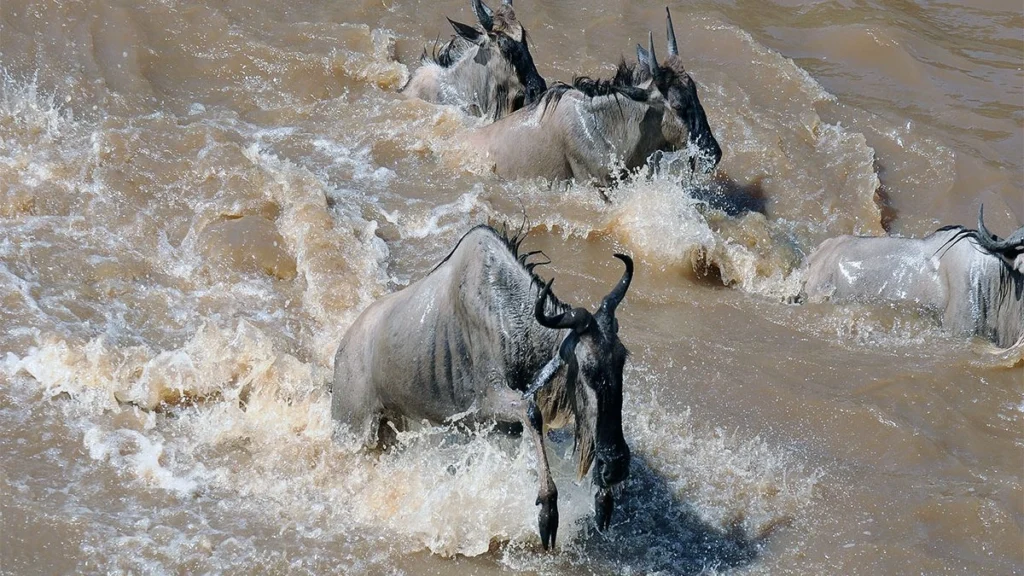
When Is the Best Time to Witness the Great Migration?
When is the best time to witness the Great Migration? This question captures the imagination of travelers and safari enthusiasts around the world. The Great Migration, considered one of the most extraordinary natural events on Earth, spans across Kenya and Tanzania, involving millions of wildebeest, zebras, and other herbivores as they journey in search of fresh grazing and water. For anyone planning Kenya Safaris or Tanzania Safaris, timing is critical, as witnessing this breathtaking spectacle requires an understanding of the migration patterns, seasonal shifts, and ecological rhythms that govern this annual movement.
The Great Migration is not only a wildlife phenomenon but also an opportunity to capture iconic moments on a Kenya Wildlife Safari or Tanzania Wildlife Safari. From dramatic river crossings to vast plains teeming with life, travelers and photographers alike flock to locations like the Maasai Mara in Kenya or the Serengeti National Park in Tanzania. These epic migrations also coincide with predator-prey dynamics, offering unforgettable opportunities to observe lions, cheetahs, and crocodiles in action.
Nkofu Africa Safaris understands that witnessing the Great Migration can be more than just an animal-viewing exercise—it can be part of a wider East African adventure. Many travelers combine Rwanda Gorilla Trekking Safaris or Tanzania Chimpanzee Tracking Safaris with their migration-focused safari, creating a multi-ecosystem experience that blends savanna wildlife, primate encounters, and cultural exploration. By carefully planning your safari itinerary, you can enjoy not only the migration spectacle but also the rich biodiversity and cultural experiences that East Africa offers.
This guide provides detailed insights on the best months and regions to observe the Great Migration, tips for optimizing your safari experience, and how to combine these adventures with broader East African itineraries for a truly immersive journey.
Understanding the Great Migration: How Does It Work?
What exactly is the Great Migration, and why is it such a pivotal event for Kenya Safaris and Tanzania Safaris? The Great Migration is a cyclical movement of over 1.5 million wildebeest, 200,000 zebras, and countless gazelles across the Serengeti-Mara ecosystem. The journey is driven by rainfall patterns, seasonal vegetation growth, and the need for water, making the timing and location of the herds predictable yet dynamic.
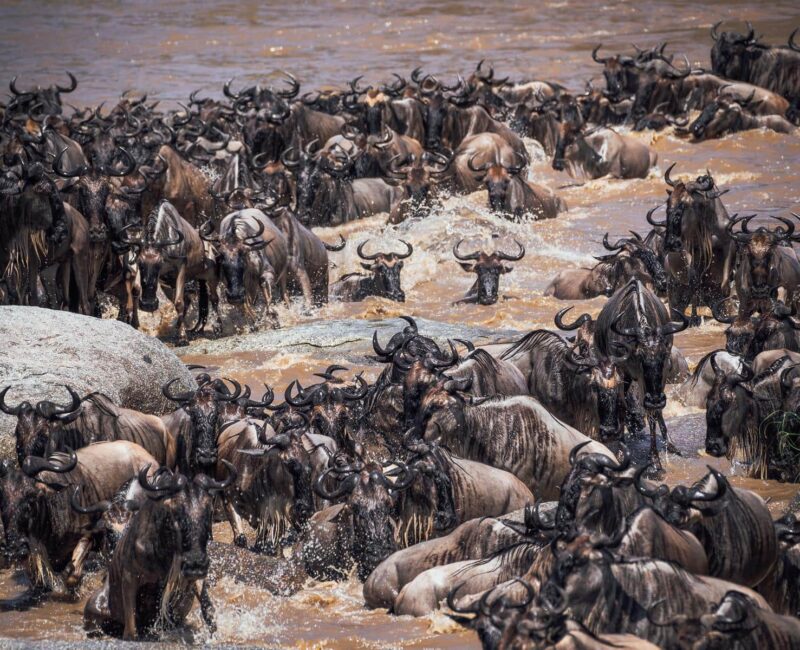
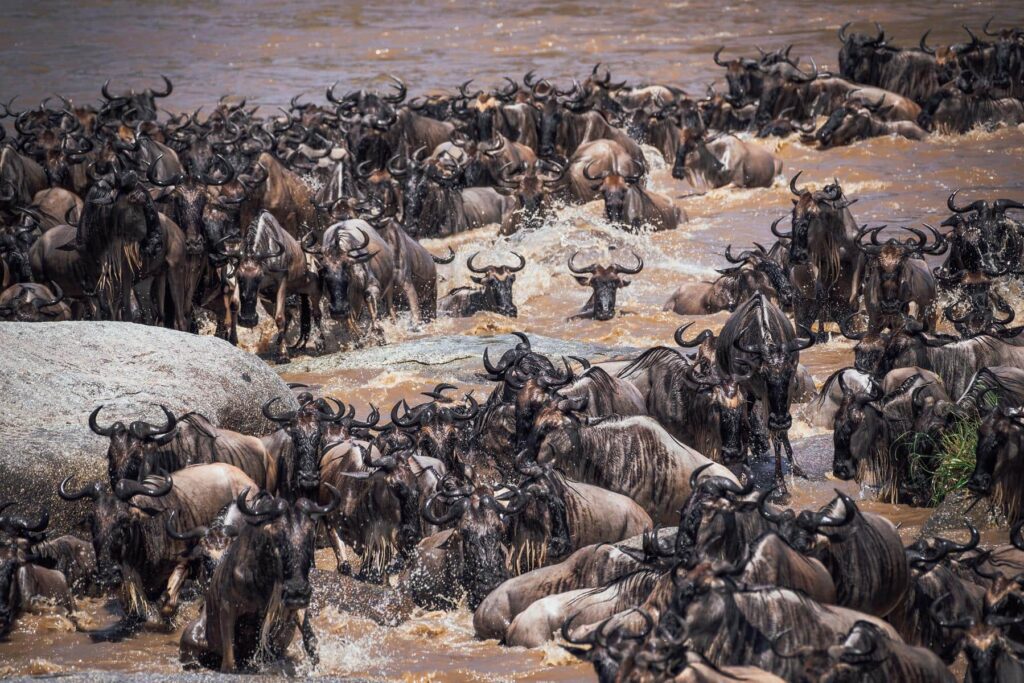
The migration is divided into phases. Between December and March, herds are primarily found in the southern Serengeti in Tanzania, grazing on nutrient-rich pastures created by the short rains. By April and May, as the long rains arrive, the herds disperse, calves are born, and predators intensify their hunting activities. The iconic river crossings of the Mara River, often photographed and filmed worldwide, typically occur between July and October when the herds enter Kenya’s Maasai Mara.
For travelers planning Kenya Wildlife Safaris, understanding this timing is crucial. Early July to mid-October offers the best chance to witness dramatic river crossings and predator-prey interactions. Meanwhile, Tanzania Wildlife Safaris during December to March provide opportunities to see large herds grazing in the Serengeti’s southern plains, alongside newborn wildebeest calves and other herbivores.
In addition, combining migration-focused safaris with Kenya Birding Safaris or Tanzania Chimpanzee Tracking Safaris can create a multidimensional wildlife experience. By integrating multiple ecosystems and activities into one itinerary, Nkofu Africa Safaris ensures travelers gain a deeper appreciation of East Africa’s biodiversity while maximizing photographic and observational opportunities.
Kenya Safaris: Witnessing the Migration in the Maasai Mara
When is the best time to witness the Great Migration on a Kenya Safari? The Maasai Mara National Reserve, Kenya’s crown jewel of wildlife tourism, offers some of the most dramatic and accessible migration experiences. From July through October, the herds cross the Mara River, a treacherous passage teeming with crocodiles, creating a spectacle of life, survival, and natural drama.
Lodges such as Mara Serena Safari Lodge or Angama Mara provide excellent vantage points for river crossings and expansive views of the Mara plains. Guided game drives during early morning and late afternoon optimize photographic conditions, enhancing opportunities to capture lions hunting, cheetahs sprinting, and elephants interacting with the migrating herds.
Beyond wildlife, Maasai cultural experiences are a key highlight of Kenya Cultural Safaris. Visitors can engage with Maasai communities, learn about their traditions, participate in beadwork workshops, and witness vibrant dances—adding cultural depth to the migration experience. Many travelers also choose to combine their Kenya Safari with Rwanda Gorilla Trekking Safaris or Tanzania Chimpanzee Tracking Safaris, creating a full East African adventure that balances savanna wildlife with forest primates and cultural immersion.
Nkofu Africa Safaris emphasizes ethical wildlife observation, ensuring that guests maintain safe distances during river crossings while maximizing photo opportunities. By planning visits during peak migration months, travelers can experience both the grandeur of wildlife movement and the richness of Maasai cultural interactions.
Tanzania Safaris: Following the Herds in the Serengeti
When is the best time to witness the Great Migration in Tanzania? The Serengeti National Park, Tanzania’s flagship safari destination, hosts the majority of the migration between December and June. The southern Serengeti plains are lush and expansive, providing grazing for massive herds of wildebeest, zebras, and gazelles, as well as a thriving population of predators.
December to March is ideal for Tanzania Wildlife Safaris, as herds are concentrated in the southern Serengeti, giving photographers the chance to capture close-up encounters with newborn calves and maternal behaviors. April and May, during the long rains, present challenges in accessibility but reward visitors with fewer tourists and stunning green landscapes ideal for landscape and wildlife photography.
The migration’s movement into the western corridor of the Serengeti and the Grumeti River occurs from May through July, culminating in the dramatic Mara River crossings. Safari lodges such as Serengeti Serena Safari Lodge, Four Seasons Safari Lodge, or Sayari Camp provide premium access to key migration routes while offering comfort, cultural storytelling, and professional guidance for wildlife photography.
Travelers seeking immersive experiences often combine Tanzania Chimpanzee Tracking Safaris in Mahale Mountains or Gombe Stream with their migration-focused itineraries. This approach allows a blend of savanna and forest ecosystems, providing contrasting wildlife experiences and adding depth to any East African safari portfolio. Nkofu Africa Safaris ensures smooth logistics, making it possible to witness the migration while also experiencing Tanzania’s primates, birdlife, and local cultures.
Timing for Optimal Wildlife Photography
When is the best time to witness the Great Migration for photography enthusiasts? Wildlife photographers planning Kenya Birding Safaris, Kenya Wildlife Safaris, or Tanzania Wildlife Safaris must consider the position of the sun, the seasonality of the herds, and the behavior of predators. Early morning and late afternoon drives, known as the “golden hours,” offer the best lighting conditions, enhancing the contrast, color, and depth of photographs.
For river crossings in the Maasai Mara, July to October provides peak action, capturing the danger and drama of wildebeest facing crocodiles. The southern Serengeti from December to March emphasizes maternal and calving behaviors, allowing for emotionally compelling images. Nkofu Africa Safaris provides expert guides who understand wildlife behavior and positioning, ensuring guests maximize photographic opportunities while adhering to ethical wildlife practices.
Moreover, combining these photographic safaris with Rwanda Gorilla Trekking Safaris or Tanzania Chimpanzee Tracking Safaris adds dimension to wildlife portfolios. Forest-dwelling primates, colorful bird species, and vibrant landscapes complement the dramatic imagery of the migration, resulting in a well-rounded East African wildlife collection.
Cultural Experiences and Safari Lodges Along Migration Routes
How can cultural immersion enhance your migration safari? Lodges along the Maasai Mara, Serengeti, and surrounding regions offer more than comfort—they provide a gateway to local communities. Kenya Cultural Safaris allow travelers to engage with Maasai warriors, learn traditional beadwork, and participate in ceremonial dances. Similarly, in Tanzania, visits to local pastoralist communities near the Serengeti provide insight into the coexistence of humans and wildlife.
Eco-conscious lodges such as Mara Plains Camp, Sayari Camp, and Four Seasons Serengeti integrate cultural programs into their guest experiences, supporting local communities while providing travelers with authentic cultural encounters. Guests can also combine migration viewing with other safari highlights, including Uganda Gorilla Trekking Safaris or birding excursions, creating a multifaceted adventure that spans East Africa.
Nkofu Africa Safaris emphasizes the importance of selecting lodges with ethical practices, conservation engagement, and proximity to wildlife corridors. This ensures that guests not only experience the Great Migration but also contribute positively to the ecosystems and communities they visit.
Combining Uganda Gorilla Trekking with the Great Migration
Is it possible to combine Uganda Gorilla Trekking Safaris with migration safaris in Kenya and Tanzania? Absolutely. Travelers often plan itineraries that begin with gorilla trekking in Bwindi Impenetrable Forest or Mgahinga Gorilla National Park, capturing the extraordinary mountain gorilla encounters, and then continue to Kenya’s Maasai Mara or Tanzania’s Serengeti to witness the Great Migration.
This combination provides a full spectrum of East African wildlife experiences—from the dense rainforests of Uganda to the open plains of the Mara and Serengeti. Along the way, travelers can include Kenya Birding Safaris, Tanzania Chimpanzee Tracking Safaris, and cultural visits, creating a holistic safari itinerary that appeals to families, photographers, and adventure enthusiasts alike.
Nkofu Africa Safaris ensures seamless travel between countries, handling permits, accommodations, and guides, allowing visitors to experience the best of East Africa without logistical stress. By blending gorilla trekking with migration safaris, travelers enjoy contrasting ecosystems, diverse wildlife, and culturally rich experiences, making the journey truly unforgettable.
Conclusion: When Is the Best Time to Witness the Great Migration?
So, when is the best time to witness the Great Migration? The answer depends on your preferred experience. For dramatic river crossings and predator interactions, plan Kenya Safaris in the Maasai Mara between July and October. For newborn calves, lush landscapes, and concentrated herds, Tanzania Safaris in the southern Serengeti between December and March offer unparalleled experiences.
By combining Kenya Wildlife Safaris, Tanzania Wildlife Safaris, and Rwanda Gorilla Trekking Safaris, travelers can create a full East African adventure that captures the grandeur of the Great Migration alongside forest primates, vibrant birdlife, and immersive cultural experiences. Nkofu Africa Safaris provides expert guidance, ethical wildlife practices, and high-quality lodges, ensuring each safari is memorable, responsible, and enriching.
The Great Migration remains one of the world’s most photographed and celebrated natural events. With careful planning, expert support, and a commitment to conservation, witnessing this epic journey becomes a transformative experience—one that highlights the beauty, resilience, and wonder of East Africa’s wildlife and landscapes.