Why is Nairobi Called the “Safari Capital of the World”?
January 2, 2026
What Predators Can Be Seen During the Great Migration Expedition?
January 5, 2026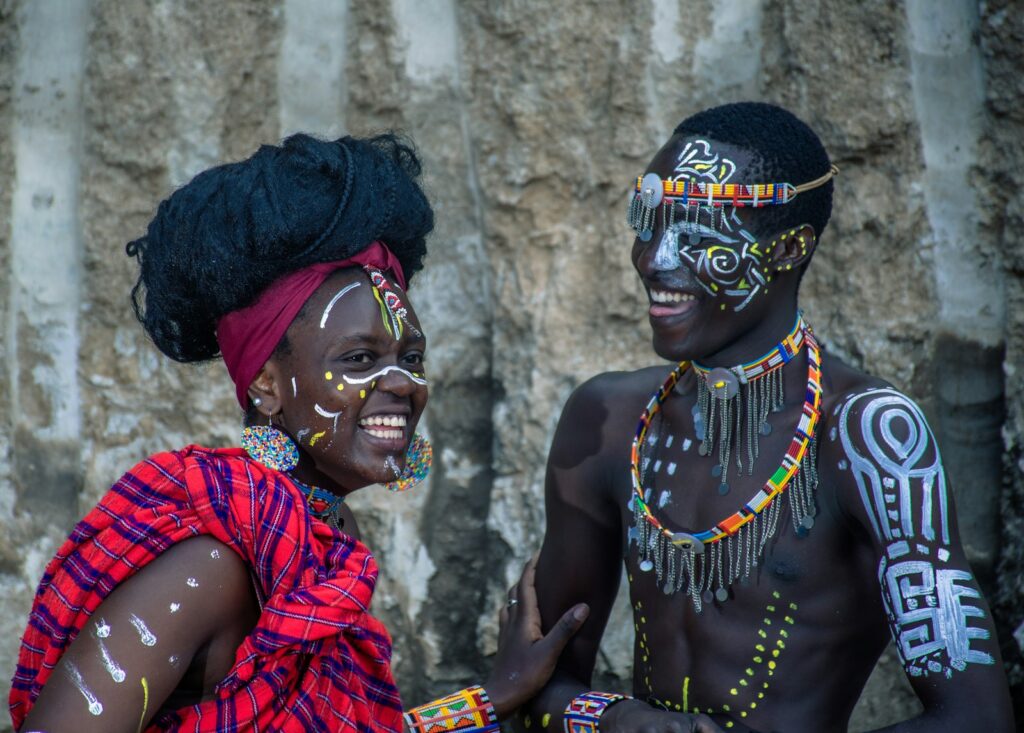
What Languages Are Spoken by Local Tribes of Kenya & Tanzania?
Africa is home to an extraordinary diversity of cultures and languages, and travelers often ask: What Languages Are Spoken by Local Tribes of Kenya & Tanzania? Understanding the languages of local communities enriches Kenya Safaris and Tanzania Safaris by offering deeper cultural immersion and authentic interactions with indigenous people. Kenya Wildlife Safaris and Tanzania Wildlife Safaris do not only provide unparalleled wildlife experiences but also offer opportunities to engage with the Maasai People, Samburu communities, and other ethnic groups whose languages carry centuries of history and tradition.
Introduction: Exploring Tribal Languages on Kenya and Tanzania Safaris
Kenya Best Safaris often incorporate cultural trails, birding walks, and village visits, where tourists can hear the Maa language spoken by the Maasai or Kiswahili, which serves as a lingua franca across East Africa. Similarly, Tanzania Cultural Safaris allow visitors to meet local communities and hear languages like Kiswahili, Maasai, and Chagga, fostering meaningful cross-cultural experiences. Nkofu Africa Safaris specializes in Kenya Cultural Safaris, Kenya Birding Safaris, and Tanzania Cultural Safaris, emphasizing the connection between language, tradition, and safari experiences.
During these safaris, travelers can expect expert-guided interactions with local tribes, educational storytelling about historical practices, and insights into how language shapes culture, governance, and conservation practices. For those seeking adventure beyond traditional game drives, combining Uganda Gorilla Trekking with Kenya or Tanzania safaris creates an extraordinary East African journey that blends savannah wildlife, rainforest trekking, and cultural immersion. By understanding what languages are spoken by local tribes, tourists gain a richer appreciation of both the people and landscapes they encounter, establishing a more meaningful safari experience.
Maasai Mara National Reserve: Languages of the Maasai People
In the heart of Kenya, Maasai Mara National Reserve offers a unique intersection of wildlife and culture, prompting the question: What languages are spoken by local tribes in the Maasai Mara? The Maasai People primarily speak Maa, a language rich in proverbs, oral history, and traditional songs. Swahili, widely spoken across Kenya, is often used for trade and communication with visitors. English is also common in tourist interactions, ensuring accessibility for international travelers during Kenya Cultural Safaris and Kenya Best Safaris.
Visitors to Maasai Mara can reach the reserve via domestic flights from Nairobi or through scenic road transfers, providing a first glimpse of the savannah landscapes and rural communities. Hiking trails, guided walks, and vehicle-based Kenya Wildlife Safaris are enhanced by cultural encounters where travelers learn traditional greetings, storytelling, and ceremonial dances of the Maasai People. Maasai cultural experiences often include visits to homesteads, demonstrations of beadwork, and explanations of community governance, offering a practical understanding of the Maa language in everyday life.
Birding enthusiasts benefit from Kenya Birding Safaris in the Mara, where guides may teach names of local birds in Maa or Kiswahili, enriching the photography and wildlife observation experience. Early booking of Mara lodges ensures proximity to cultural and wildlife hotspots, providing convenient access for sunrise and sunset game drives intertwined with cultural interactions. Nkofu Africa Safaris emphasizes educational and respectful exchanges, allowing visitors to understand not only what languages are spoken by local tribes, but also how these languages continue to shape cultural identity and conservation in Kenya.
Amboseli National Park: Language and Culture at the Foot of Kilimanjaro
Amboseli National Park is globally celebrated for its elephant herds and stunning views of Mount Kilimanjaro. Travelers frequently ask: What languages are spoken by local tribes in Amboseli? The Maasai People dominate the area, communicating primarily in Maa for day-to-day interactions, supplemented by Kiswahili and English in tourism contexts. Knowledge of these languages enhances Tanzania Cultural Safaris and Kenya Cultural Safaris by offering more authentic interactions during community visits and guided walks.
Amboseli is accessible via road transfers from Nairobi or air travel to nearby airstrips, enabling tourists to reach lodges situated conveniently near walking trails and wildlife observation points. Kenya Wildlife Safaris and Kenya Best Safaris in Amboseli integrate guided walks where travelers learn Maasai greetings, names of local flora and fauna, and customary phrases that reflect the tribe’s connection to land and animals. Birding enthusiasts on Kenya Birding Safaris also gain insight into how Maasai nomenclature often references local bird behavior or habitat.
Cultural excursions during Amboseli hiking safaris include visiting Maasai homesteads, observing cattle herding, and participating in bead-making or cooking demonstrations. Guides explain how knowledge of local languages fosters trust and deeper understanding of traditional practices, rituals, and oral histories. Combining Amboseli Cultural Safaris with Uganda Gorilla Trekking allows travelers to expand their linguistic and cultural exposure, contrasting Maasai language and traditions with the forest communities of Uganda. Understanding what languages are spoken by local tribes ensures travelers experience Amboseli beyond its scenic beauty, gaining insight into the people whose lives are intertwined with this landscape.
Serengeti National Park: Linguistic Diversity Alongside the Great Migration
Serengeti National Park, renowned for the Tanzania Great Migration, invites visitors to explore cultural as well as natural landscapes. Many tourists ask: What languages are spoken by local tribes in the Serengeti? The Maasai People are the primary community surrounding the Serengeti, speaking Maa as their native language. Kiswahili functions as a regional lingua franca, while English facilitates communication during Tanzania Wildlife Safaris and Tanzania Cultural Safaris. The integration of language into wildlife tours enhances visitor understanding of local traditions, conservation ethics, and the cultural significance of the Great Migration.
Visitors reach Serengeti via air from Arusha or through scenic overland drives, which double as a prelude to cultural immersion. Hiking safaris, vehicle-based game drives, and guided cultural interactions introduce tourists to traditional Maasai homes, livestock management techniques, and ritual storytelling. Birding tours in Serengeti also highlight linguistic elements, as guides translate bird names and behaviors into Maa, providing an educational layer to Tanzania Birding Safaris.
Cultural encounters in Serengeti include traditional dances, song, and cuisine demonstrations. Guides ensure participants understand how the Maasai People use language to teach generations about wildlife conservation and survival strategies during the migration season. Early booking of Serengeti lodges allows visitors to position themselves for both wildlife observation and cultural experiences. Combining Serengeti Tanzania Safaris with Uganda Gorilla Trekking offers an unparalleled expedition that introduces travelers to multiple languages and ecosystems. By exploring what languages are spoken by local tribes, visitors gain insight into the resilience and adaptability of the Maasai People amidst one of the world’s most celebrated wildlife spectacles.
Ngorongoro Crater: Preserving Language and Heritage
Ngorongoro Crater is a UNESCO World Heritage Site and a hub for Tanzania Cultural Safaris. Guests often inquire: What languages are spoken by local tribes around Ngorongoro? In addition to Maasai communities speaking Maa, Kiswahili is widely used for intertribal communication, while English facilitates tourism activities. The interplay of languages in Ngorongoro reveals the blend of indigenous identity and modern interactions essential for cultural tourism.
Travelers can reach Ngorongoro by road from Arusha or fly to nearby airstrips before embarking on short hikes or game drives. Hiking safaris here offer gentle trails suitable for all ages, alongside interactive sessions where guides explain traditional farming techniques, oral histories, and linguistic nuances. Birding enthusiasts benefit from Tanzania Birding Safaris, as local guides share bird names and folklore in Maa and Kiswahili. Cultural experiences include visits to Maasai villages, ceremonial performances, and workshops on beadwork and traditional architecture.
Nkofu Africa Safaris emphasizes the importance of early booking for crater lodges and guided trails, ensuring guests enjoy seamless access to both wildlife and cultural experiences. Visitors can also combine Ngorongoro Crater Tanzania Safaris with Uganda Gorilla Trekking to experience forest-dwelling communities and compare linguistic diversity. By understanding what languages are spoken by local tribes, tourists gain not only cultural knowledge but also appreciation for the role of language in preserving identity, history, and conservation ethics in Ngorongoro.
Cultural Experiences and Language Learning
Participating in Kenya Cultural Safaris or Tanzania Cultural Safaris allows visitors to go beyond wildlife observation and engage directly with local tribes. Travelers frequently ask: What languages are spoken by local tribes during cultural safaris? Maasai homestead visits reveal the practical use of Maa, including greetings, storytelling, and descriptive terms for livestock and the natural environment. Kiswahili serves as a bridge language for tourists and neighboring tribes, while English often facilitates guided experiences and educational exchanges.
During Masai Mara Cultural experiences, tourists can learn traditional songs, dance steps, and oral history techniques, which are intimately tied to the Maa language. Cultural workshops may include teaching simple Maasai phrases, translating proverbs, and explaining linguistic expressions linked to rituals, daily chores, and wildlife tracking. Birding tours and Kenya Birding Safaris further introduce participants to local terminology for bird species and natural features. Nkofu Africa Safaris emphasizes hands-on, respectful engagement, making cultural and language experiences immersive and memorable.
Visitors can also combine these cultural excursions with Uganda Gorilla Trekking for a multi-ecosystem experience that introduces them to entirely different languages, tribal customs, and forest conservation methods. Understanding what languages are spoken by local tribes ensures travelers gain a richer, deeper perspective of the African continent and its people, enhancing both educational and leisure components of a safari.
Why Choose Nkofu Africa Safaris for Your Cultural Safari
Nkofu Africa Safaris is the ideal partner for exploring what languages are spoken by local tribes while enjoying Kenya Safaris and Tanzania Safaris. With years of experience in Kenya Wildlife Safaris, Kenya Birding Safaris, Kenya Cultural Safaris, Tanzania Wildlife Safaris, and Tanzania Cultural Safaris, Nkofu Africa Safaris guarantees professional guidance, safety, and authentic experiences. Early lodge bookings, customizable itineraries, and knowledgeable guides ensure immersive cultural interactions, wildlife viewing, and birding experiences. Combining East African safaris with Uganda Gorilla Trekking offers unparalleled adventure, blending savannah, forest, and cultural exploration. Choosing Nkofu Africa Safaris assures a high-quality, authoritative, and trustworthy safari adventure that showcases Africa’s languages, traditions, and wildlife.