Are There Walking Safaris Available in Maasai Mara?
December 24, 2025
Can I Combine Kenya Safaris with Beach Holidays in Mombasa or Diani?
December 25, 2025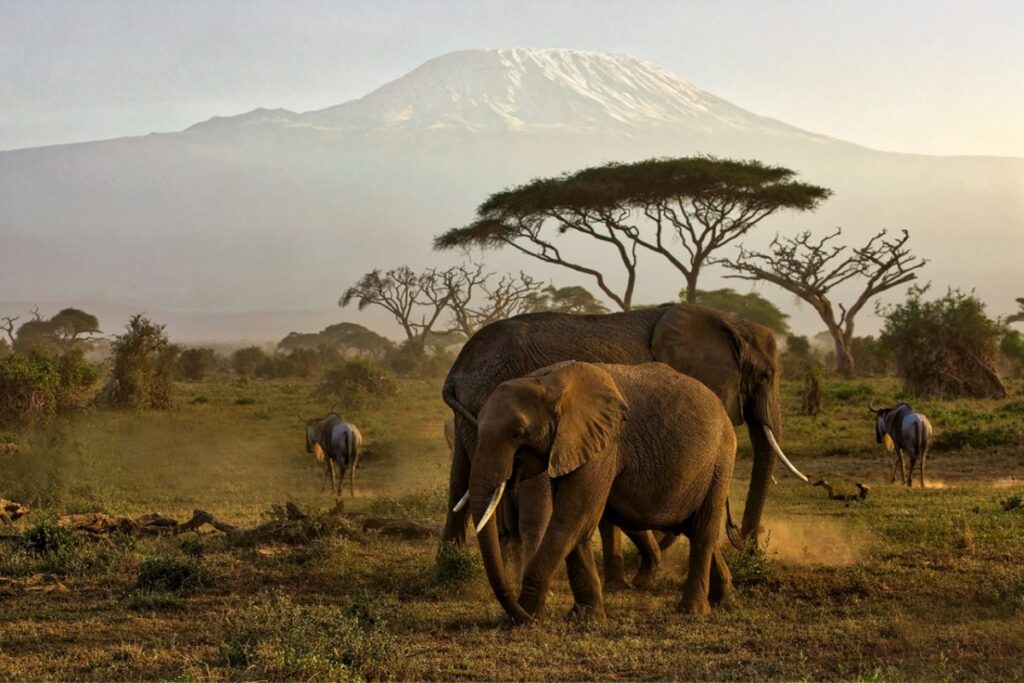
Can Amboseli Be Combined with a Tsavo Safari?
Embarking on a safari adventure in Kenya offers travelers an unparalleled opportunity to witness the majesty of African wildlife and the breathtaking landscapes of East Africa. Many enthusiasts often ask: “Can Amboseli be combined with a Tsavo safari?” The answer is a resounding yes. Amboseli National Park, renowned for its iconic views of Mount Kilimanjaro and thriving elephant herds, provides a picture-perfect introduction to Kenya’s wildlife wonders. Meanwhile, Tsavo National Park, divided into Tsavo East and Tsavo West, presents expansive savannahs, volcanic landscapes, and dramatic waterfalls. Combining Amboseli and Tsavo allows safari-goers to experience a rich tapestry of Kenya’s diverse ecosystems and wildlife concentrations in one seamless journey. This combination safari is ideal for travelers seeking a balance between wildlife encounters, birding opportunities, and authentic cultural immersion.
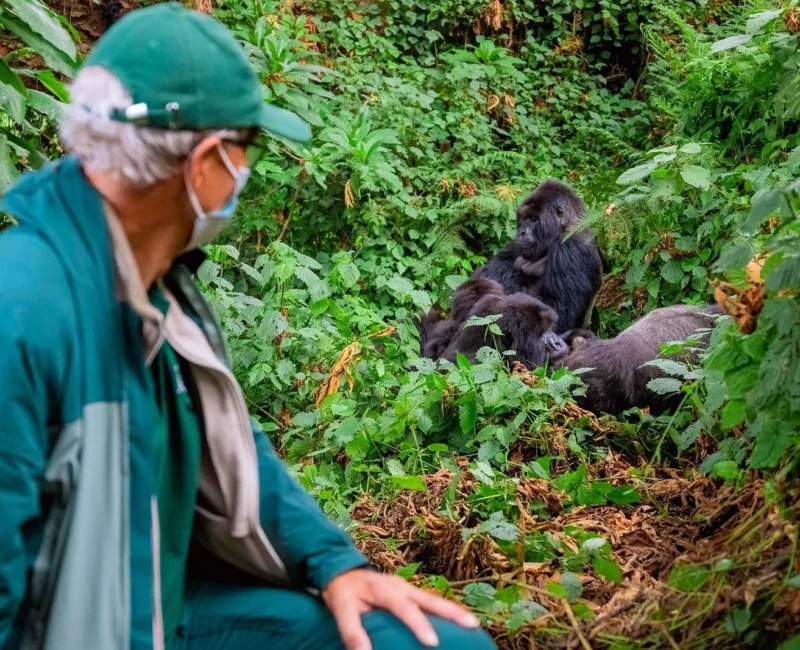
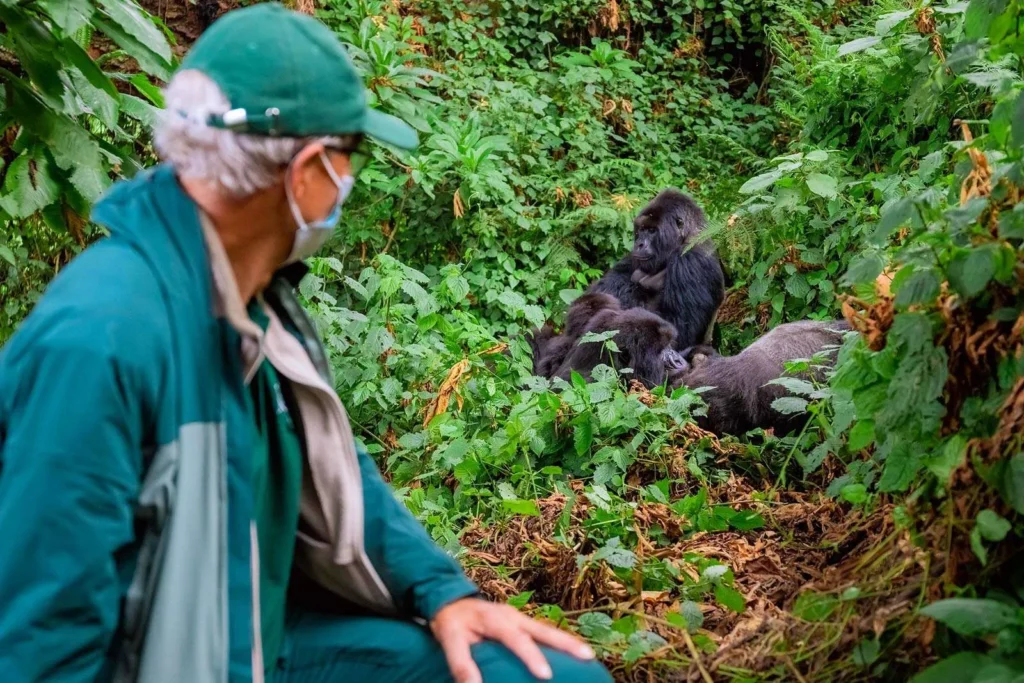
Visitors on a combined Amboseli and Tsavo safari enjoy encounters with the Big Five—lion, elephant, buffalo, leopard, and rhinoceros—while also appreciating lesser-known species, such as cheetahs, wild dogs, and a variety of antelope. Birding enthusiasts find these parks equally rewarding, as both Amboseli and Tsavo are home to hundreds of bird species, from flamingos along lake shores to rare raptors patrolling the savannah. Beyond wildlife, travelers can engage with local Maasai communities in Amboseli and Chyulu Hills communities near Tsavo, learning about traditional lifestyles, crafts, and ceremonies. Incorporating cultural safaris into this itinerary enhances the experience, providing travelers with a comprehensive understanding of Kenya’s natural and human heritage. For those seeking a more extended adventure, combining this safari with Uganda Gorilla Trekking Safaris creates a multi-country expedition that blends savannah wildlife with tropical forest primates, offering a truly holistic East African safari experience.
Amboseli National Park: A World-Class Wildlife Destination
Renowned globally for its vast elephant herds and the magnificent backdrop of Mount Kilimanjaro, Amboseli National Park represents one of Kenya’s most iconic safari destinations. Travelers exploring Amboseli immediately encounter sprawling plains dotted with acacia trees, swamps, and small lakes, which attract a diverse array of wildlife. Elephants here roam freely, often appearing in large family groups, making this park an ideal destination for photography enthusiasts and wildlife observers alike. Additionally, Amboseli hosts predators such as lions and cheetahs, offering thrilling wildlife encounters for safari-goers seeking authentic experiences. Birding safaris in Amboseli are equally impressive, with flamingos, pelicans, and various raptors inhabiting its wetlands and open plains, making it a haven for both casual bird watchers and serious ornithologists.
Cultural experiences in Amboseli further enrich the safari. The Maasai community, residing on the park’s periphery, provides travelers with insight into traditional Maasai life, including beadwork, dances, and pastoral practices. Visitors can participate in guided tours with Maasai warriors, learning about age-old customs while gaining a deeper appreciation for how human populations coexist with wildlife. For those combining Amboseli with Tsavo, travel logistics are straightforward. Amboseli lies approximately 250 kilometers from Nairobi, making it accessible via road or light aircraft. Safari travelers are advised to wear neutral-colored clothing, sun hats, and sturdy footwear while carrying binoculars, cameras, and insect repellent to maximize comfort and wildlife viewing. As the gateway to a combined safari adventure, Amboseli sets a high standard for scenic beauty, wildlife encounters, and cultural immersion, ensuring visitors start their journey on a memorable note.
Tsavo National Park: East Africa’s Wildlife Kingdom
Spanning over 20,000 square kilometers, Tsavo National Park is divided into Tsavo East and Tsavo West, each offering unique landscapes and wildlife experiences. Visitors frequently inquire: “Can Amboseli be combined with a Tsavo safari?” Absolutely. After exploring Amboseli, venturing into Tsavo provides a contrasting yet equally captivating safari experience. Tsavo East is characterized by vast open plains, red soil landscapes, and salt licks that attract large herds of elephants, zebras, and gazelles. Predator sightings are common, with lions, cheetahs, and hyenas actively roaming the park. Birders will be delighted by sightings of flamingos, storks, and a variety of raptors that inhabit this vast wilderness, making Tsavo an exceptional destination for Kenya Birding Safaris. Meanwhile, Tsavo West offers volcanic hills, freshwater springs, and the renowned Mzima Springs, home to hippos and crocodiles, providing diverse ecosystems for wildlife encounters and nature photography.
Safari travelers combining Amboseli and Tsavo can also explore the cultural richness surrounding Tsavo. Local Kamba and Maasai communities offer experiences in traditional crafts, music, and dances, providing a cultural counterpart to the wildlife-focused adventure. Accommodation ranges from luxury lodges to tented camps, ensuring comfort while remaining close to nature. Combining Amboseli and Tsavo in a single itinerary allows travelers to witness the best of Kenya Wildlife Safaris in one journey, from elephants in Amboseli to the rich biodiversity of Tsavo. Practical travel advice includes carrying lightweight clothing, hats, sunscreen, and walking shoes, while early morning game drives and sunset excursions maximize wildlife sightings. For those extending their safari, combining this itinerary with Uganda Gorilla Trekking Safaris creates a multi-layered adventure through East Africa’s most iconic wildlife regions.
Expectations for a Combined Amboseli and Tsavo Safari
Travelers often wonder what to expect when planning a combined Amboseli and Tsavo safari. Visitors should anticipate a wide range of wildlife encounters, from large elephant herds and lions to zebras, giraffes, and rare antelopes. Game drives typically occur in the early morning or late afternoon when animals are most active, offering spectacular photographic opportunities. Birding enthusiasts will find the combined safari particularly rewarding, as Amboseli and Tsavo collectively host over 500 bird species, including flamingos, eagles, and storks. Beyond wildlife, cultural immersion with local communities enriches the safari, providing insights into traditional lifestyles and sustainable practices that coexist with conservation efforts. Adventure seekers may also explore short hiking trails, guided nature walks, or boat rides in Tsavo West to experience unique ecosystems and scenic landscapes.
Travelers combining Amboseli and Tsavo can also consider extending their itinerary to include Uganda Gorilla Trekking Safaris, providing an extraordinary contrast between Kenya’s savannah wildlife and Uganda’s dense tropical forests. Such multi-country itineraries offer a holistic perspective on East Africa’s biodiversity and cultural richness. Visitors are advised to plan their safari during the dry seasons, from June to October or December to February, to maximize wildlife visibility. Additionally, practical tips include wearing breathable safari attire, using insect repellent, and carrying essential photography equipment. A combined Amboseli and Tsavo safari promises a remarkable blend of wildlife spectacle, cultural engagement, and scenic splendor that satisfies the expectations of even the most discerning travelers.
How to Reach Amboseli and Tsavo for a Combined Safari
Reaching Amboseli and Tsavo for a combined safari is convenient, with multiple options depending on traveler preferences and time constraints. Amboseli National Park lies approximately 250 kilometers from Nairobi, and travelers can access it via road, which typically takes four to five hours, or via light aircraft for quicker transfers. Tsavo East and West are accessible via connecting roads from Amboseli, with distances ranging from 150 to 200 kilometers depending on the park entry. Combining Amboseli and Tsavo in a single itinerary is feasible over three to five days, allowing sufficient time for wildlife viewing, cultural experiences, and relaxation. Safari operators like EcoQuest Safaris provide customized itineraries, ensuring smooth transfers, professional guides, and comfortable accommodations throughout the journey.
Travelers are encouraged to plan logistics carefully, considering factors such as vehicle type, fuel availability, and park fees. Early morning departures maximize game drive opportunities, while afternoon excursions often reveal predators at watering holes. Those seeking an extended adventure can integrate Uganda Gorilla Trekking Safaris, flying from Nairobi to Entebbe, offering an unforgettable contrast between Kenya’s iconic savannahs and Uganda’s dense rainforests. Travelers should also pack practical essentials, including binoculars, cameras, safari hats, sunscreen, and light jackets for cooler evenings. By strategically planning transportation and accommodations, visitors can enjoy a seamless, rewarding combined Amboseli and Tsavo safari.
What to Wear on a Combined Amboseli and Tsavo Safari
Selecting appropriate safari attire enhances comfort and safety while maximizing the overall experience. Neutral-colored clothing in khaki, green, or brown is recommended to blend with natural surroundings and avoid startling wildlife. Lightweight long-sleeved shirts and trousers provide protection from sun exposure, insect bites, and thorns encountered during bush walks. Safari hats, sunglasses, and sunscreen are essential for daytime excursions, while a light jacket or fleece is advisable for cooler mornings and evenings. Comfortable walking shoes or hiking boots allow travelers to explore designated trails, observe wildlife on foot, or participate in cultural experiences with local communities. Binoculars and cameras with zoom lenses are also highly recommended for capturing wildlife and scenic landscapes without disturbing animals.
Travelers combining Amboseli and Tsavo should also consider packing rain gear if visiting during the wet season (March to May and November), as sudden showers can occur. For cultural interactions, modest clothing that respects local traditions is preferred, particularly when visiting Maasai or Kamba villages. EcoQuest Safaris advises travelers to prepare a checklist of essentials to ensure a safe, enjoyable, and immersive safari. Following these attire guidelines enhances comfort, safety, and engagement, ensuring visitors fully appreciate the combined Amboseli and Tsavo safari experience.
Cultural Experiences on a Combined Safari
Beyond wildlife, cultural experiences significantly enrich a combined Amboseli and Tsavo safari. In Amboseli, travelers can visit Maasai villages to witness traditional dances, beadwork, and pastoral practices, gaining a deeper understanding of human-wildlife coexistence. Tsavo offers opportunities to engage with Kamba and local communities, learning about crafts, storytelling, and conservation initiatives. These experiences provide a meaningful dimension to Kenya Cultural Safaris, allowing travelers to connect with people, traditions, and landscapes in ways that go beyond standard game drives. Combining Amboseli and Tsavo ensures a diverse array of cultural encounters alongside spectacular wildlife viewing, creating a holistic East African adventure.
For visitors seeking extended exploration, combining this itinerary with Uganda Gorilla Trekking Safaris provides additional cultural engagement, including interactions with local Ugandan communities and forest conservation efforts. Integrating cultural experiences into safari itineraries adds value, enhances storytelling, and fosters memorable, authentic travel moments. EcoQuest Safaris designs these experiences with sensitivity and respect for local traditions, ensuring responsible and immersive tourism practices throughout the journey.