Are Family-Friendly Safaris Offered in Amboseli?
December 11, 2025
Are Kenya Safaris Safe for First-Time Travellers?
December 12, 2025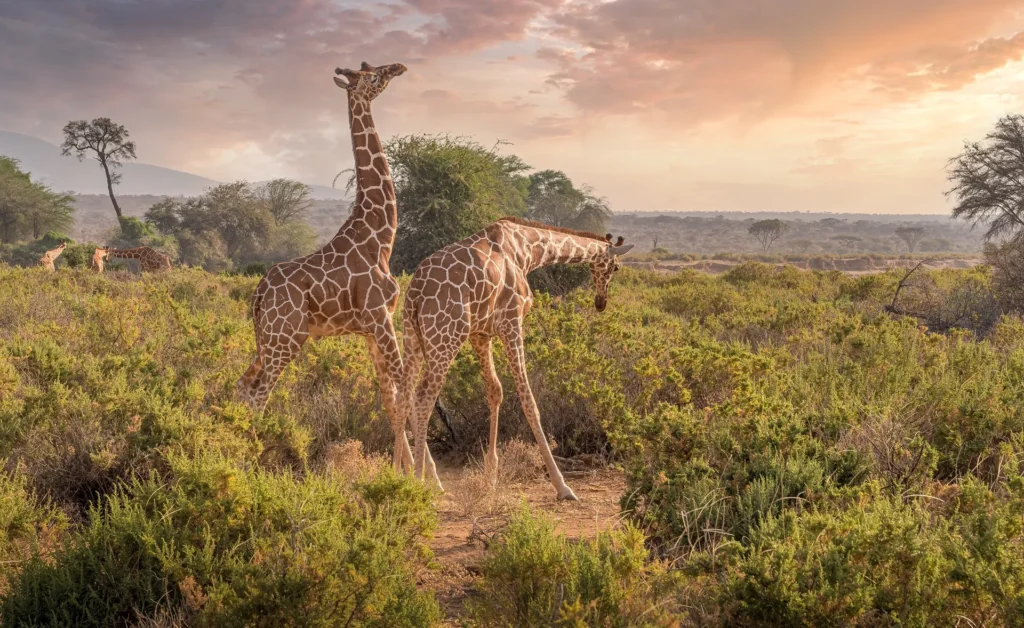
Are Guided Safaris Necessary in Kenya National Parks?
The question, “Are guided safaris necessary in Kenya National Parks?”, is common among travelers planning a visit to East Africa. Kenya’s national parks are world-renowned for their abundant wildlife, breathtaking landscapes, and diverse ecosystems, making them a top destination for safaris. At EcoQuest Safaris, we emphasize the importance of guided experiences in maximizing both safety and enjoyment. Guided safaris allow travelers to access the park’s hidden gems, interpret animal behavior accurately, and gain insider knowledge about the ecosystem that self-guided tours simply cannot offer.
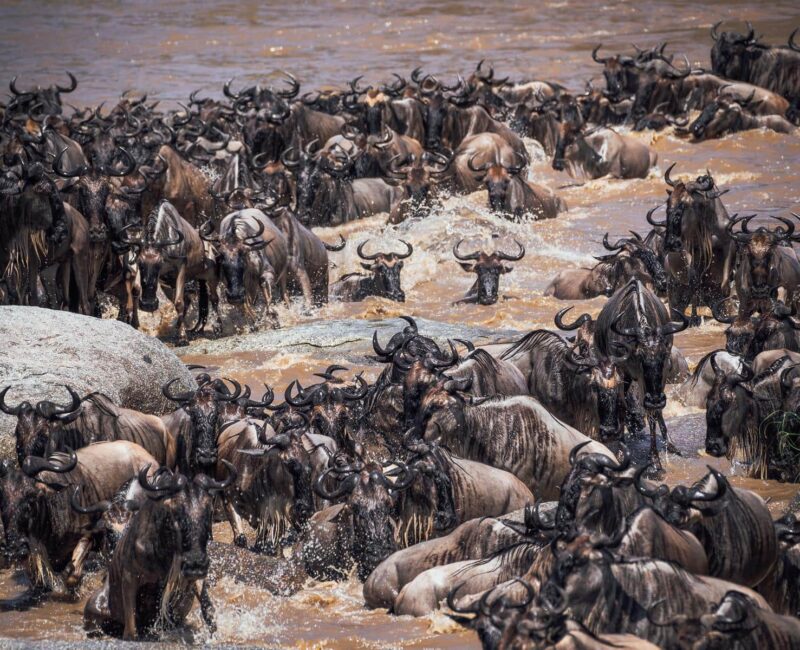
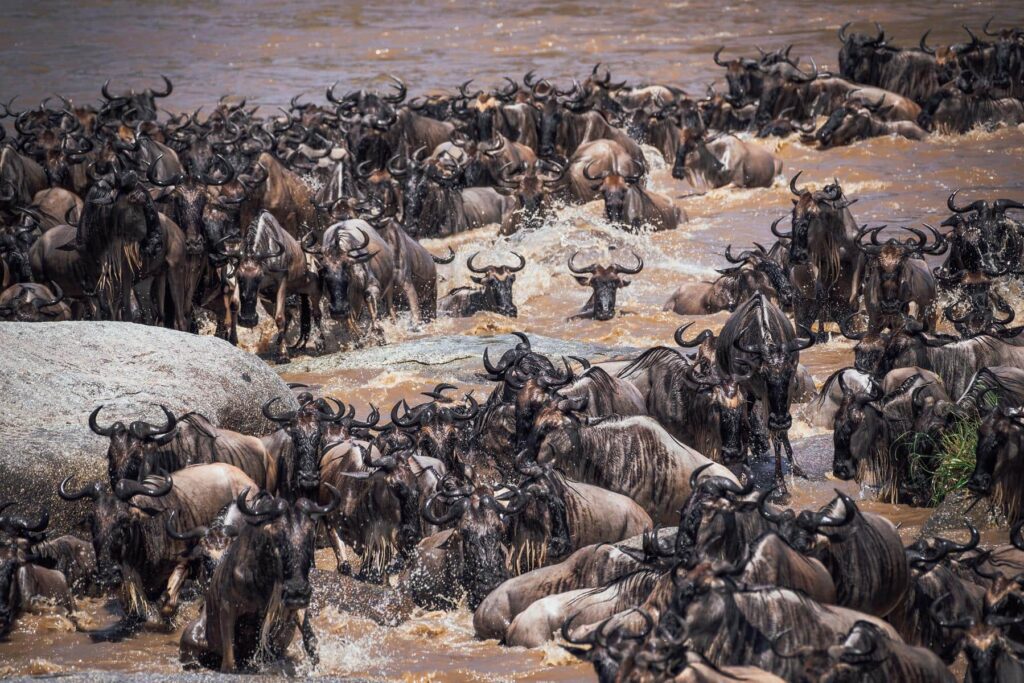
Kenya Safaris cater to diverse interests, including wildlife observation, birdwatching, photography, and cultural immersion. By engaging a professional guide, visitors can experience Kenya Wildlife Safaris, Kenya Birding Safaris, and Kenya Cultural Safaris more meaningfully. Guides are trained to anticipate wildlife sightings, explain ecological interactions, and ensure adherence to park regulations, which protects both guests and animals. For example, during the dry season from June to October, wildlife congregates near rivers and waterholes, creating optimal photographic opportunities for the Kenya Great Migration in regions like Maasai Mara. A guide ensures travelers are positioned strategically for these sightings while maintaining a safe distance from predators.
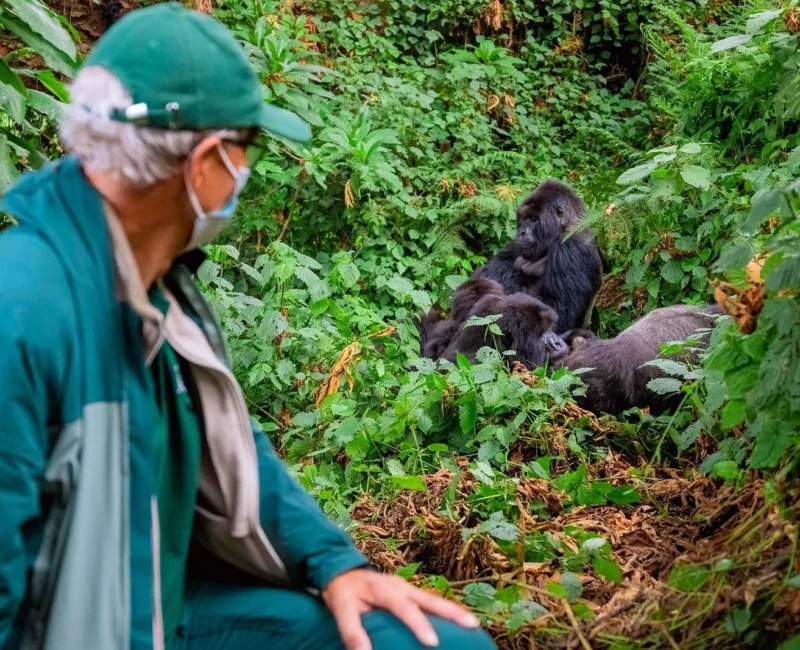
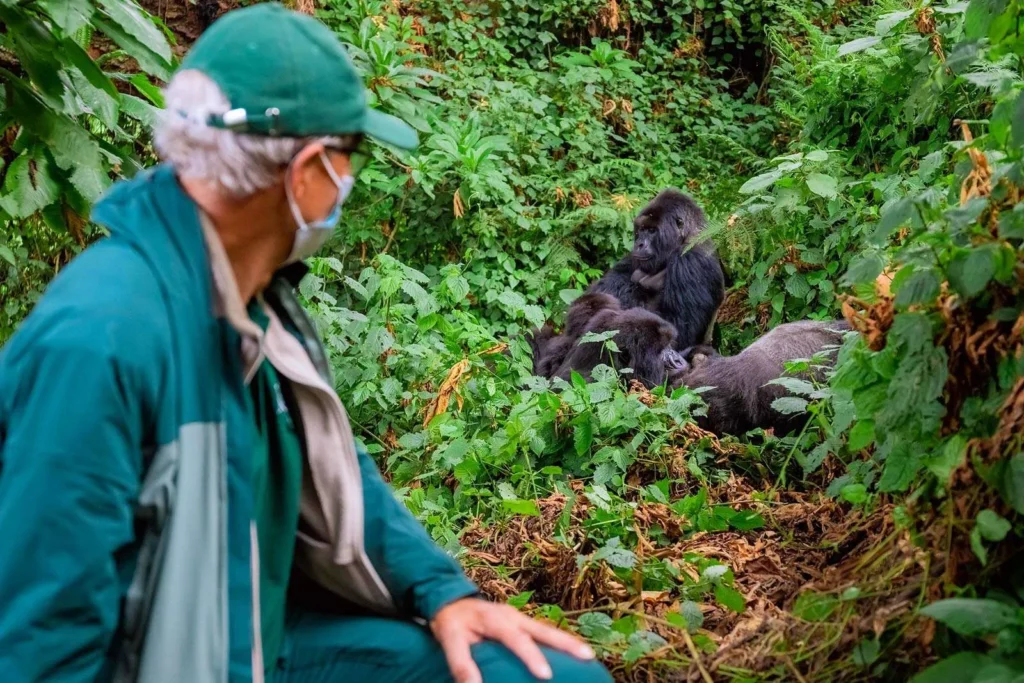
Additionally, guided safaris allow for more tailored experiences. Families, photography enthusiasts, or birdwatchers can customize their excursions to meet specific interests. For visitors seeking an extended East African adventure, guides can coordinate itineraries combining Kenya National Parks with destinations such as Uganda Gorilla Trekking Safaris, offering a rich, multi-ecosystem safari that spans open savannahs and dense tropical forests. Through professional guidance, travelers gain unparalleled access, cultural insights, and conservation awareness, solidifying the value of guided safaris in Kenya.
Wildlife Observation Benefits – Are Guided Safaris Necessary in Kenya National Parks?
Optimized Wildlife Sightings
Visitors often ask, “Are guided safaris necessary in Kenya National Parks to see wildlife?” The answer is a resounding yes. Kenya’s national parks host a range of iconic species including lions, elephants, rhinos, cheetahs, giraffes, and buffalo. Guided safaris maximize the chances of spotting these animals in their natural habitats. Experienced guides understand animal movement patterns, water source locations, and predator-prey interactions, allowing travelers to witness rare behaviors such as lion hunts, elephant matriarch-led migrations, and cheetah sprinting displays safely and respectfully.
Birding and Kenya Birding Safaris
For bird enthusiasts, Kenya Birding Safaris are best experienced with a knowledgeable guide. Kenya National Parks are home to over 1,000 bird species, including migratory birds during wet seasons and endemic species in unique ecosystems. Guides provide critical insights on bird identification, habitat preferences, and behavior patterns, transforming a simple sighting into an educational and memorable experience. For families or first-time visitors, guided birding excursions ensure efficient use of time, making it possible to observe a wide variety of species within a short period.
Safety and Navigation
Navigating Kenya National Parks without guidance can be challenging. Terrain varies from open plains to thick bushland, and wildlife encounters can be unpredictable. Guides are trained in first aid, navigation, and wildlife safety protocols. For families or solo travelers, having a guide ensures both safety and a structured itinerary, allowing guests to focus entirely on observation, photography, and learning.
Cultural Integration and Eco-Tourism – Are Guided Safaris Necessary in Kenya National Parks?
Immersive Cultural Experiences
Beyond wildlife, Kenya offers a wealth of cultural experiences. Visitors frequently ask, “Can guided safaris include cultural immersion?” Professional guides facilitate access to local communities, such as Maasai, Samburu, or Kikuyu villages, ensuring respectful and meaningful interactions. Travelers can participate in traditional dances, learn beadwork or pottery, and gain insight into local customs and conservation initiatives. These experiences enrich the safari, connecting guests to the human heritage of the region alongside its natural wonders.
Educational and Conservation Insights
Guides also act as educators, explaining the importance of conservation, anti-poaching efforts, and ecosystem management. Visitors learn how wildlife protection impacts local communities, and children gain hands-on knowledge about environmental stewardship. Guided safaris in Kenya are therefore not only about observation but also about understanding the delicate balance between humans, wildlife, and nature.
Combining Safaris with Uganda Gorilla Trekking
For travelers seeking a multi-destination African safari, guided itineraries can include Uganda Gorilla Trekking Safaris. Professional guides handle logistics, transportation, permits, and accommodations, providing a seamless experience that connects Kenya’s open savannahs with Uganda’s dense tropical forests. Such combined safaris highlight the diversity of East Africa, offering visitors an unforgettable journey across ecosystems, cultures, and species.
Expectations for Guided Safaris – Are Guided Safaris Necessary in Kenya National Parks?
Game Drive Experiences
Travelers often wonder, “What can I expect on a guided safari in Kenya National Parks?” Guests should anticipate a combination of early morning and late afternoon game drives, timed to coincide with peak animal activity. Guides use their expertise to position vehicles strategically for optimal viewing, maximizing wildlife encounters while maintaining a safe distance from predators. They provide insights into animal behavior, habitat, and interactions that enhance the safari experience and turn each sighting into an educational moment.
Photography Opportunities
Guided safaris also cater to photographers. Experts know the best locations, lighting conditions, and vantage points for capturing wildlife against stunning landscapes. During the Kenya Great Migration, guided tours ensure travelers witness dramatic river crossings, predator-prey interactions, and vast herds of wildebeest and zebras, providing once-in-a-lifetime photographic moments. Families and enthusiasts alike benefit from these curated opportunities.
Safety and Comfort
Safety is paramount on guided safaris. Vehicles are equipped for off-road travel, first aid, and communication in remote areas. Guides provide advice on suitable attire, gear, and behavior around wildlife. Lodges and camps often coordinate with guides to ensure comfortable accommodations, meals, and recreational activities, offering an overall safe and enjoyable experience for guests of all ages.
How to Reach Kenya National Parks – Are Guided Safaris Necessary in Kenya National Parks?
Travelers frequently ask, “How can I access Kenya National Parks for guided safaris?” Most parks are accessible from Nairobi by road or domestic flights. Maasai Mara, Amboseli, and Tsavo East are typically reached via private transfers or chartered flights organized by safari operators like EcoQuest Safaris. Guides handle all logistics, including park permits, game drives, and local accommodation bookings. For multi-country safaris combining Uganda Gorilla Trekking, guides coordinate flights, permits, and transfers to ensure a seamless experience, eliminating stress and maximizing wildlife encounters.
What to Wear on Guided Safaris – Are Guided Safaris Necessary in Kenya National Parks?
Selecting appropriate attire enhances both safety and comfort. Neutral-colored clothing is recommended to blend with the environment and reduce disturbance to wildlife. Layered clothing accommodates early morning chill and daytime heat, while wide-brimmed hats, sunglasses, sunscreen, and sturdy walking shoes ensure protection and comfort. Guides advise on additional essentials such as binoculars, cameras, and insect repellent, ensuring travelers are fully equipped to enjoy game drives, walking safaris, and cultural visits. Proper attire also facilitates mobility during off-road excursions and minimizes wildlife disturbance.
When is the best time to take a guided safari in Kenya National Parks?
The ideal time is during the dry season from June to October, when animals gather around water sources, vegetation is sparse, and visibility is excellent. Birdwatching is also rewarding during the wet season from November to May, offering opportunities to observe migratory species and lush landscapes.
How much does a guided safari in Kenya National Parks cost?
Prices depend on park selection, duration, accommodation, and luxury preferences. Standard guided safaris range from USD 250 to USD 700 per person per day, with multi-destination itineraries such as combining Kenya safaris with Uganda Gorilla Trekking Safaris costing more due to logistics, permits, and premium accommodations.
Conclusion – Are Guided Safaris Necessary in Kenya National Parks?
Answering “Are guided safaris necessary in Kenya National Parks?” confirms that guided experiences provide unmatched value. They enhance wildlife observation, ensure safety, offer educational insights, and facilitate cultural immersion. Guided safaris allow travelers to experience Kenya Wildlife Safaris, Kenya Birding Safaris, and Kenya Cultural Safaris efficiently while creating opportunities for photography and family-friendly engagement. Multi-destination itineraries combining Kenya with Uganda, including Uganda Gorilla Trekking Safaris, provide a comprehensive East African safari adventure. With EcoQuest Safaris, visitors gain authority-backed guidance, safe and tailored experiences, and unforgettable memories, making guided safaris the optimal choice for anyone exploring Kenya’s remarkable national parks.