Can Families Participate Together in One Gorilla Safari Trip?
June 23, 2026
Where Can I Go Colobus Monkey Trekking in Rwanda?
June 25, 2026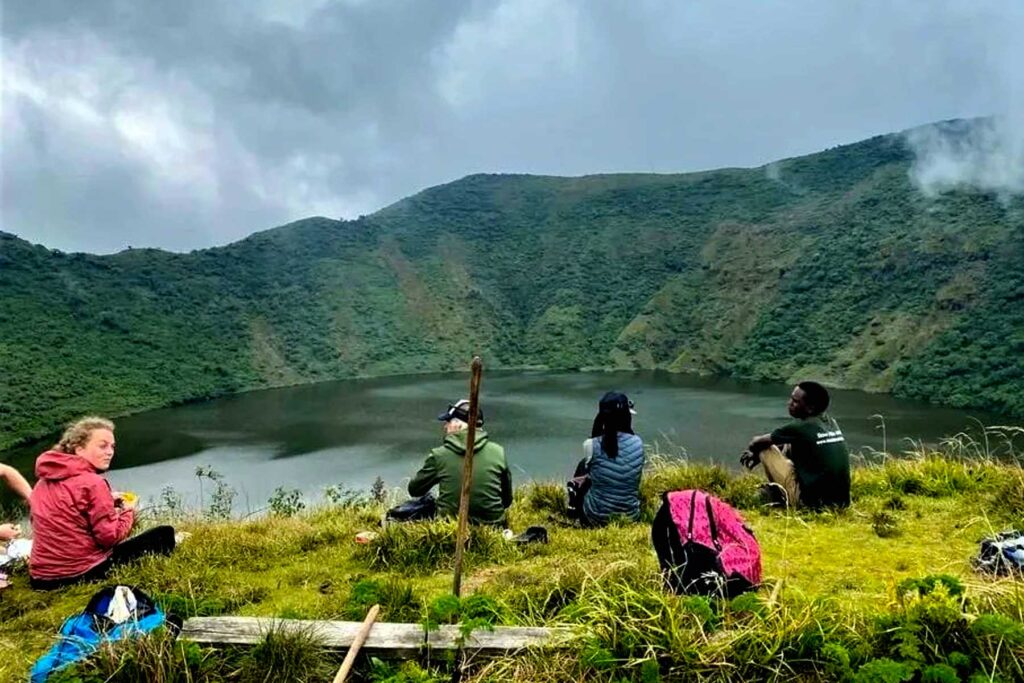
What is the Best Time of Year to Hike Mount Bisoke?
For travelers planning a Rwanda Safari, one of the most rewarding adventure experiences is hiking Mount Bisoke. Located within Volcanoes National Park, this spectacular volcanic peak rises to about 3,711 meters above sea level and offers breathtaking views of Rwanda’s mountainous landscape. The question, What is the Best Time of Year to Hike Mount Bisoke?, is essential for anyone seeking an enjoyable and safe trekking experience. Weather conditions greatly influence trail accessibility, visibility, photography opportunities, and overall comfort during the climb.
Mount Bisoke is famous for its stunning crater lake at the summit, lush bamboo forests, and encounters with the remarkable biodiversity that makes Rwanda Wildlife Safaris internationally renowned. Unlike many hiking destinations, Mount Bisoke can be visited throughout the year, but some seasons provide significantly better trekking conditions than others. Understanding the differences between the dry and wet seasons allows visitors to choose the ideal time for their adventure. Whether you are combining the hike with gorilla trekking or searching for the Rwanda Best Safari experience, selecting the right season can make your journey more memorable. EcoQuest Safaris recommends planning carefully to maximize comfort, safety, and the chance of enjoying clear panoramic views across the Virunga Mountains.
Why is the Dry Season Considered the Best Time to Hike Mount Bisoke?
The dry seasons, which occur from June to September and December to February, are widely regarded as the best periods for hiking Mount Bisoke. During these months, rainfall is generally lower, making the trails less slippery and easier to navigate. Hikers can move more comfortably through the bamboo forests and higher volcanic slopes without constantly battling deep mud. Clearer skies also enhance visibility, allowing trekkers to enjoy magnificent views of the surrounding Virunga Volcanoes and the emerald crater lake at the summit. For photography enthusiasts, the dry season offers excellent lighting conditions and better chances of capturing Rwanda’s dramatic mountain scenery.
Many travelers on Rwanda Safaris choose these months because the hike can be combined seamlessly with gorilla trekking in Volcanoes National Park. Accommodation options are often in high demand during this period, so early booking is advisable. Although the dry season attracts more visitors, the experience remains intimate because park authorities regulate the number of hikers. EcoQuest Safaris considers these months ideal for first-time hikers, families with active teenagers, and travelers who want the most comfortable trekking conditions while enjoying one of the highlights of Rwanda Wildlife Safaris.
Can You Hike Mount Bisoke During the Rainy Season?
Yes, hiking Mount Bisoke during the rainy season is possible, and many adventurous travelers still enjoy the experience. The wet seasons typically occur from March to May and October to November. During these months, the mountain receives more rainfall, resulting in muddy and slippery trails. Trekking becomes more physically demanding, especially on the steeper sections near the summit. However, the rainy season also transforms the landscape into a remarkably lush and vibrant environment. Forest vegetation appears greener, and the mountain often feels quieter due to fewer visitors. Travelers seeking a more secluded adventure may find this period appealing. Proper hiking boots, waterproof clothing, and trekking poles become especially important during wet conditions. While visibility can sometimes be limited by mist and clouds, dramatic atmospheric scenery can create unique photographic opportunities. Some experienced hikers even prefer the challenge of the rainy season because it offers a stronger sense of wilderness. For those combining the hike with broader Rwanda Safaris, the wet season may also provide lower accommodation rates in certain lodges. EcoQuest Safaris recommends this period primarily for adventurous travelers who are comfortable with variable weather and more challenging trekking conditions.
What Makes Volcanoes National Park Special for Mount Bisoke Hiking?
Volcanoes National Park is the heart of Mount Bisoke hiking and one of the most celebrated conservation areas in Africa. The park protects a significant portion of the Virunga Mountain range and serves as a sanctuary for mountain gorillas, golden monkeys, and numerous bird species. Hiking Mount Bisoke offers far more than a physical challenge; it provides an opportunity to experience the extraordinary biodiversity that defines Rwanda Wildlife Safaris. Trekkers pass through bamboo forests, montane woodlands, and alpine vegetation zones before reaching the volcanic summit. Along the trail, guides share valuable insights about conservation efforts, local ecosystems, and the history of the Virunga region. The summit crater lake is one of the most impressive volcanic features in East Africa and rewards hikers with a spectacular natural panorama. Because Volcanoes National Park is also the premier destination for gorilla trekking, many visitors combine both activities to create a comprehensive Rwanda Best Safari itinerary. The park’s well-organized ranger system, safety procedures, and conservation programs contribute to its reputation as a world-class adventure destination. EcoQuest Safaris works closely with experienced local guides to ensure that every Mount Bisoke hike combines adventure, education, and responsible tourism.
How Difficult is the Mount Bisoke Hike?
Understanding the difficulty level helps answer the question, What is the Best Time of Year to Hike Mount Bisoke?, because weather conditions can significantly affect the challenge. The hike is generally considered moderate to strenuous. Most trekkers take between 5 and 7 hours for the round trip, depending on fitness levels and trail conditions. The route begins at approximately 2,500 meters and climbs steadily through forested terrain before reaching the summit at 3,711 meters. Higher altitude can make the final ascent more demanding, especially for travelers who have recently arrived in Rwanda. During the dry season, the trail is usually easier to manage, while wet-season conditions can increase the physical effort required. Regular walking or light fitness preparation before the trip is highly recommended. Porters are available and can assist with carrying bags, which also supports local community livelihoods. Despite the challenge, most reasonably fit travelers successfully complete the hike and describe the crater lake view as a rewarding achievement. For visitors seeking an active component within their Rwanda Safaris, Mount Bisoke provides an excellent balance of adventure, natural beauty, and accessibility. EcoQuest Safaris ensures that hikers receive proper briefings, guidance, and support throughout the trek.
How Do You Reach Mount Bisoke?
Reaching Mount Bisoke is relatively straightforward for travelers visiting Rwanda. The hike starts from Kinigi, near the headquarters of Volcanoes National Park. Most international visitors arrive through Kigali International Airport. From Kigali, the journey to Kinigi takes approximately 2.5 to 3 hours by road. The route passes through Rwanda’s scenic countryside, offering views of rolling hills, villages, and agricultural landscapes that have earned the country the nickname “Land of a Thousand Hills.” EcoQuest Safaris provides comfortable private transfers from Kigali to the park area, ensuring a smooth and stress-free journey. Travelers combining Mount Bisoke with gorilla trekking often spend several nights in the Musanze region to fully explore the attractions of Volcanoes National Park. Because the hiking briefing usually takes place early in the morning, staying near the park headquarters is highly recommended. Good road infrastructure and Rwanda’s efficient tourism services make access to Mount Bisoke convenient compared to many other volcanic trekking destinations in Africa. This accessibility is one reason the hike has become an increasingly popular addition to Rwanda Wildlife Safaris.
What Should You Pack for the Best Mount Bisoke Experience?
Proper preparation is essential regardless of when you choose to hike. Even during the dry season, mountain weather can change quickly. Essential items include waterproof hiking boots with good grip, a rain jacket, layered clothing, gloves, a hat, sunscreen, and a reusable water bottle. Trekking poles can be especially helpful on steep or muddy sections. A small backpack is ideal for carrying snacks, water, and personal items. For photography enthusiasts, a camera protected by a waterproof cover is recommended. Because temperatures at the summit can be considerably cooler than at the trailhead, warm clothing is advisable even on sunny days. Travelers participating in Rwanda Safaris often appreciate the opportunity to hire local porters, who can assist with luggage and make the climb more comfortable. Packing appropriately not only improves safety but also allows hikers to focus fully on the spectacular scenery. EcoQuest Safaris provides detailed packing guidance before departure to help guests prepare for one of the most rewarding adventures in Rwanda Wildlife Safaris.
Why Choose EcoQuest Safaris for Your Mount Bisoke Adventure?
- Experienced Rwanda safari specialists with extensive knowledge of Volcanoes National Park.
- Professional guides who prioritize safety, comfort, and conservation.
- Customized itineraries that combine Mount Bisoke hiking with gorilla trekking and other Rwanda Safaris.
- Reliable transportation and carefully selected accommodation options.
- Commitment to sustainable tourism and support for local communities.
- Personalized travel advice based on current weather and trail conditions.
- Our team understands that every traveler has different expectations. Some seek the challenge of reaching the crater summit, while others want to combine the hike with a broader Rwanda Best Safari experience. By focusing on quality service, authentic experiences, and responsible tourism, EcoQuest Safaris helps visitors discover the very best of Rwanda’s volcanic landscapes.
Final Verdict: What is the Best Time of Year to Hike Mount Bisoke?
The best time of year to hike Mount Bisoke is during the dry seasons from June to September and December to February. These months provide the most favorable trail conditions, clearer views, and a more comfortable trekking experience. Nevertheless, the rainy seasons can also offer unique advantages for adventurous travelers seeking lush scenery and fewer crowds. Ultimately, the ideal timing depends on your fitness level, weather preferences, and overall travel plans. Whether you are visiting for gorilla trekking, mountain hiking, or a complete Rwanda Wildlife Safari, Mount Bisoke remains one of the country’s most remarkable natural attractions. With proper preparation and expert guidance from EcoQuest Safaris, this volcanic adventure can become a highlight of your journey through Rwanda and an unforgettable part of your Rwanda Best Safari experience.