
What’s the Best Time to See Migratory Birds?
December 29, 2025
What Vaccinations Do I Need Before Traveling for Safari?
December 30, 2025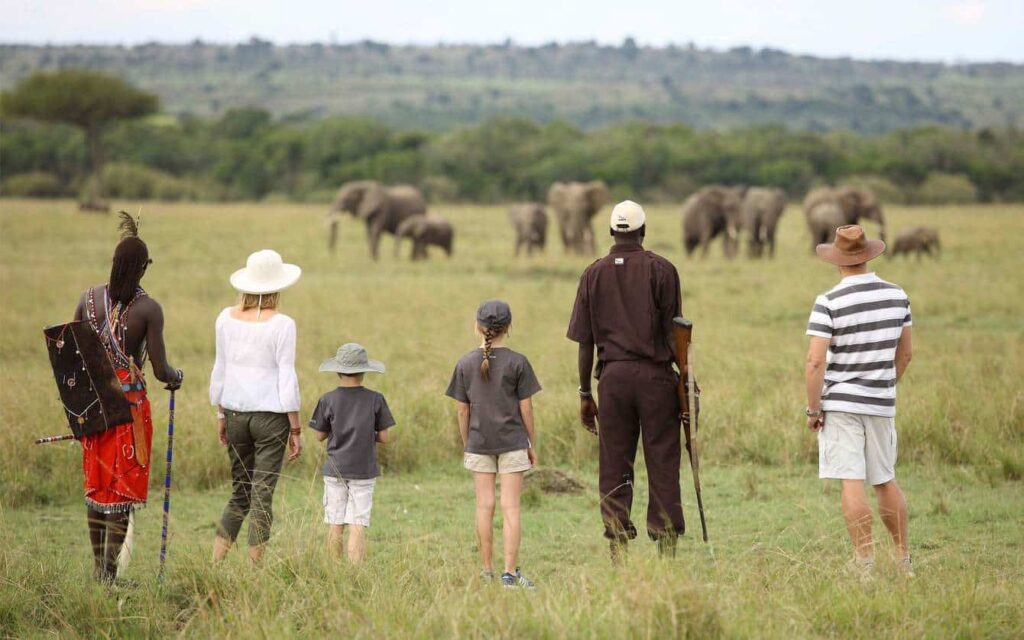
What Wildlife Can Be Seen on Walking Safaris?
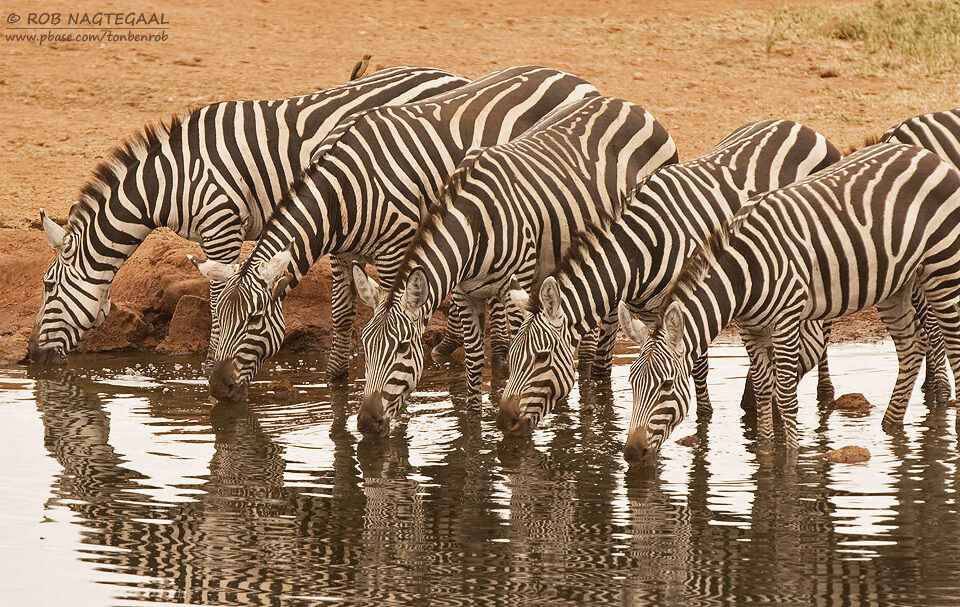
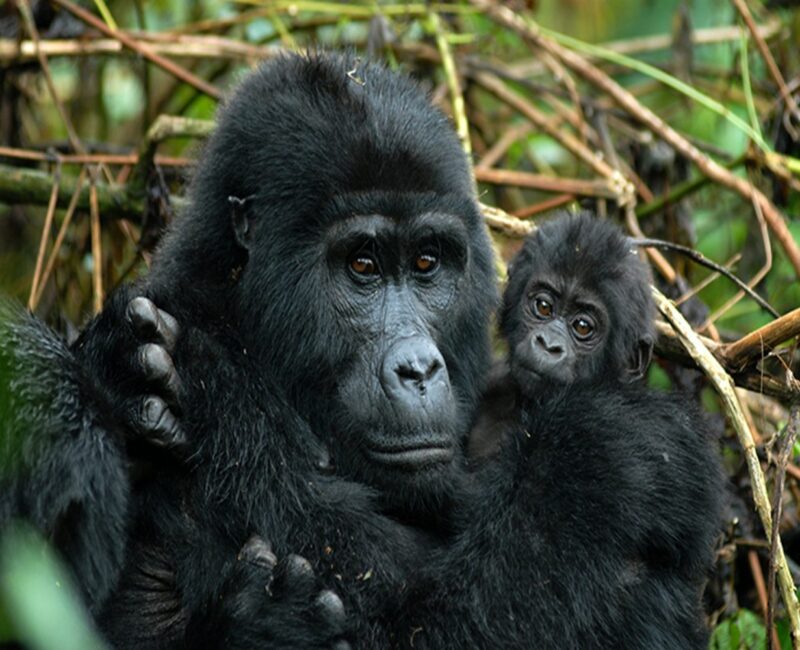
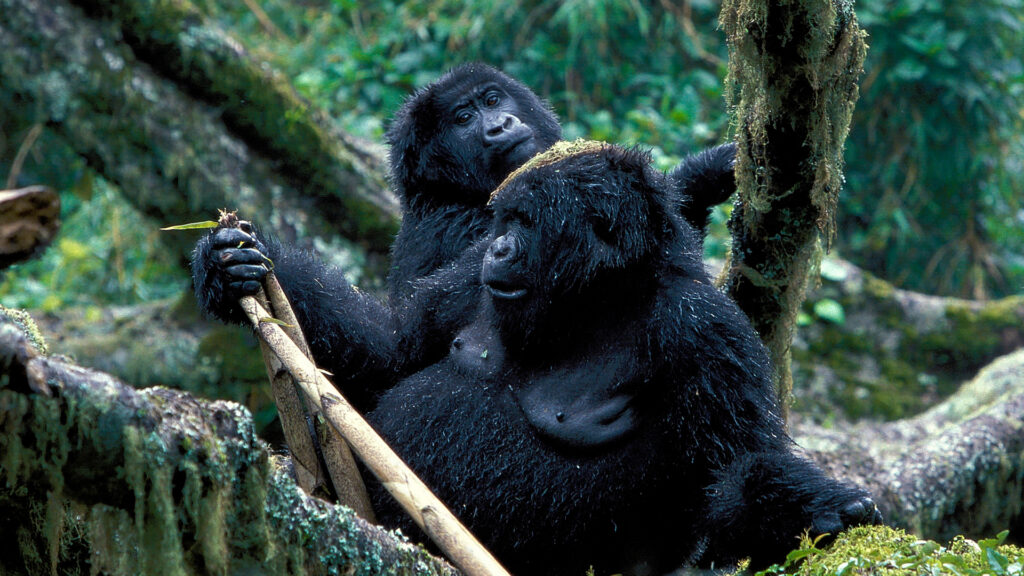
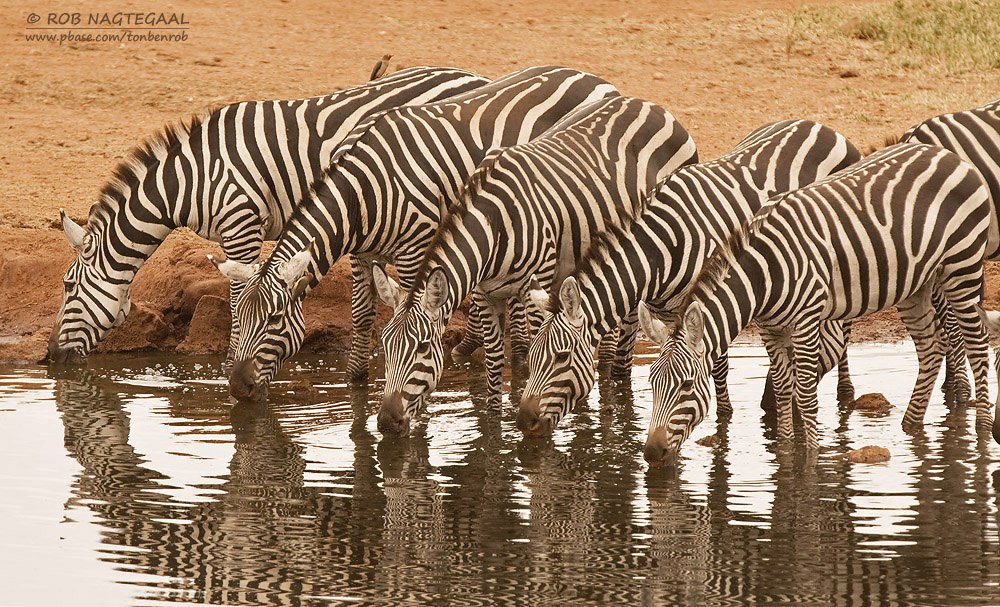
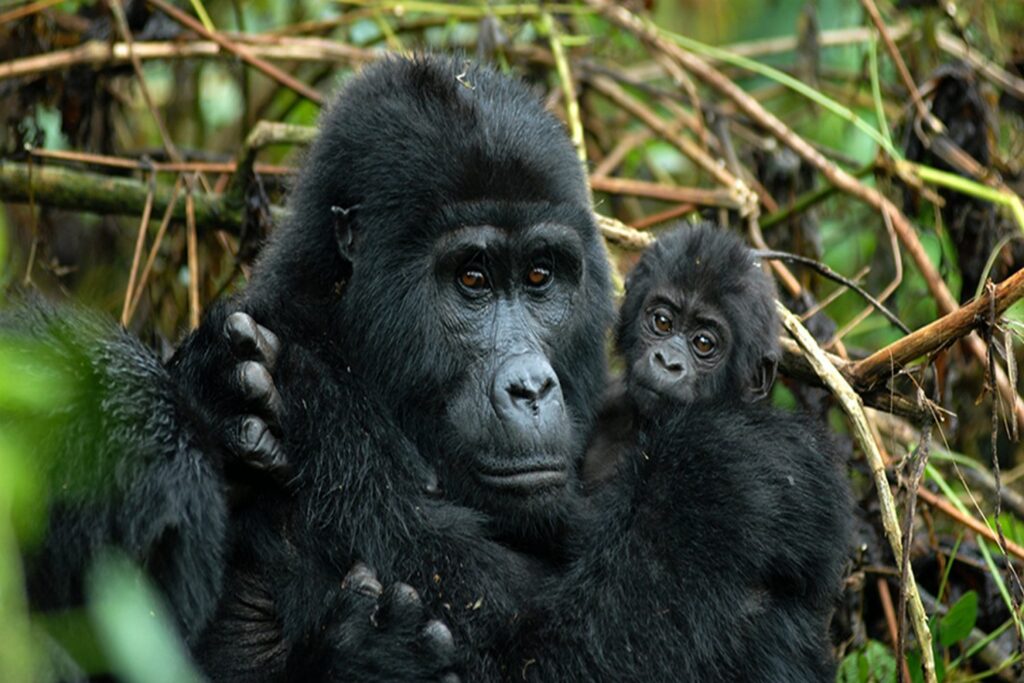
Walking safaris provide an unparalleled opportunity to experience Africa’s wilderness intimately, prompting many travelers to ask: “What wildlife can be seen on walking safaris?” Unlike vehicle-based game drives, walking safaris allow guests to connect with the ecosystem on a human scale, observing animal tracks, insect activity, and subtle behaviors that often go unnoticed from vehicles. Kenya Safaris and Tanzania Safaris are ideal for walking safaris due to their vast savannahs, diverse habitats, and abundance of wildlife. Nkofu Africa Safaris specializes in carefully curated walking safari experiences that combine safety, education, and adventure. Participants can encounter elephants, giraffes, zebras, antelopes, and, with expert guidance, even spot predators like lions and leopards from a safe distance. Bird enthusiasts also benefit from Kenya Birding Safaris or Tanzania birding excursions, spotting species ranging from vibrant sunbirds to majestic raptors. Walking safaris are not only about wildlife; they immerse travelers in the sights, sounds, and smells of Africa’s ecosystems while offering opportunities for guided discussions about animal behavior, conservation, and ecology. Cultural encounters are often incorporated, with nearby Maasai or Samburu communities providing insight into traditional land management, coexistence with wildlife, and local storytelling. Families, photographers, and wildlife enthusiasts find walking safaris both thrilling and educational, especially when combined with other experiences such as Kenya Great Migration or Tanzania Great Migration safaris. For adventurous travelers, these expeditions can even be linked with Uganda Gorilla Trekking, providing contrasting forest and savannah experiences that highlight Africa’s biodiversity.
Kenya Walking Safaris: Wildlife Up Close
Kenya Safaris offer some of the finest walking safari experiences, particularly in regions such as Maasai Mara, Laikipia, and Amboseli. Visitors curious about what wildlife can be seen on walking safaris in Kenya find an abundance of possibilities. Guided walking safaris reveal intricate details about the ecosystem: the tracks of elephants in soft soil, the signs of predators like lions, cheetahs, and hyenas, and the nesting patterns of birds along rivers and savannah edges. Nkofu Africa Safaris ensures all Kenya wildlife safaris are family-friendly and safe, with professional guides trained in animal behavior, first aid, and ecological interpretation. These safaris offer guests a chance to see giraffes browsing treetops, zebras grazing, and impalas leaping across open plains. Kenya Birding Safaris enhance the experience by introducing migratory and resident birds that flourish in diverse habitats, from wetlands to grasslands. Walking safaris provide educational opportunities for children and adults alike, offering hands-on lessons about survival strategies, predator-prey dynamics, and conservation challenges. Travelers also engage with local communities through Kenya Cultural Safaris, learning how Maasai pastoralists have coexisted sustainably with wildlife for centuries. Reaching walking safari destinations in Kenya is convenient via flights from Nairobi to nearby airstrips or scenic road transfers that provide early glimpses of wildlife along the way. Morning and late afternoon walks maximize wildlife sightings when animals are most active, while mid-day breaks at eco-lodges or tented camps allow families and travelers to relax safely. Nkofu Africa Safaris’ expertise ensures that every walking safari is carefully tailored to participant comfort, safety, and adventure, with the option to combine Kenya Great Migration itineraries for a comprehensive wildlife experience.
Tanzania Walking Safaris: Immersive Wildlife Experiences
Tanzania Safaris provide exceptional walking safari opportunities in Serengeti National Park, Tarangire, and Ngorongoro Conservation Area. Travelers exploring what wildlife can be seen on walking safaris in Tanzania often encounter diverse species in ways vehicles cannot replicate. Expert guides from Nkofu Africa Safaris lead small groups on trails that highlight animal tracks, dung, and feeding signs, offering intimate perspectives on predator-prey relationships and animal behavior. Visitors commonly observe elephants, buffaloes, giraffes, and antelopes at close range, always from a safe distance. Bird enthusiasts benefit greatly, as Tanzania birding safaris reveal endemic species, raptors, and migratory birds thriving within these ecosystems. Cultural safaris further enrich the experience, with Maasai and other local communities providing insight into traditional conservation practices, storytelling, and sustainable coexistence with wildlife. Accessing walking safari locations in Tanzania is streamlined via flights from Arusha to Serengeti airstrips or guided road transfers through scenic landscapes and game-rich corridors. Guests can expect morning and evening excursions when wildlife activity peaks, interspersed with mid-day periods for rest, photography, and educational activities at lodges or tented camps. Walking safaris are designed to accommodate families, couples, and solo travelers, providing safe, educational, and immersive experiences. Combining Tanzania walking safaris with the Tanzania Great Migration offers travelers the dual spectacle of migratory herds and close-up wildlife observation, while adding Uganda Gorilla Trekking expands the adventure to tropical forests, providing a unique contrast to the savannah ecosystem. Nkofu Africa Safaris ensures that walking safaris maximize wildlife engagement while maintaining safety, comfort, and educational enrichment.
What to Expect on a Walking Safari
Walking safaris offer a distinct way to answer the question: what wildlife can be seen on walking safaris? Participants can expect to observe elephants moving silently through tall grasses, giraffes browsing acacia leaves, and impalas leaping across sunlit plains. Guides point out smaller creatures often overlooked from vehicles, such as insects, reptiles, and elusive birds, while explaining ecological interactions and survival strategies. Guests may also spot lionesses or cheetahs resting under trees, and with professional guidance, even safely witness predator activity at a distance. Walking safaris emphasize educational value, providing families and individuals with interpretive sessions about animal behavior, conservation issues, and migratory patterns that include the Kenya Great Migration or Tanzania Great Migration. Participants are encouraged to engage all senses, listening to bird calls, observing subtle environmental changes, and identifying footprints. Morning and evening walks are timed to coincide with peak wildlife activity, ensuring maximum engagement, while mid-day breaks at eco-lodges or luxury tented camps provide comfort and relaxation. Birding enthusiasts gain additional satisfaction as guides highlight migratory and resident birds, offering identification tips and photography opportunities. Walking safaris also include cultural insights, with Nkofu Africa Safaris facilitating village visits, storytelling, and interactive activities to understand local wildlife stewardship. Combining walking safaris with Uganda Gorilla Trekking enhances the experience, offering contrasts between open plains and rainforest ecosystems and exposing travelers to diverse wildlife encounters.
Cultural Experiences During Walking Safaris
Cultural experiences enrich the walking safari experience, answering what wildlife can be seen on walking safaris in ways that connect travelers to human traditions. In Kenya, Maasai and Samburu communities provide interactive sessions where guests participate in traditional dances, learn beadwork techniques, and hear stories about local wildlife interactions. Tanzania’s Maasai villages offer similar opportunities, demonstrating sustainable grazing practices, coexistence strategies, and rituals that support conservation. Families benefit from storytelling, hands-on demonstrations, and educational discussions about the role of humans in maintaining ecosystem balance. Nkofu Africa Safaris integrates these cultural visits into walking safari itineraries, ensuring travelers gain both wildlife and anthropological knowledge. Combining walking safaris with Kenya or Tanzania Great Migration tours allows travelers to appreciate seasonal movements of wildlife while understanding human impact on natural habitats. Additionally, pairing these safaris with Uganda Gorilla Trekking provides diverse experiences in forest ecosystems, highlighting the cultural and ecological interconnections that define East Africa.
How to Reach Walking Safari Destinations
Travel logistics are critical for those exploring what wildlife can be seen on walking safaris. In Kenya, travelers can fly into Nairobi, then take domestic flights to Maasai Mara, Laikipia, or Amboseli airstrips, followed by short transfers to walking safari camps. Scenic road transfers offer the added benefit of early wildlife sightings along the way. In Tanzania, travelers fly from Arusha to Serengeti airstrips or take guided drives through Ngorongoro and Tarangire. Walking safari camps are strategically located near prime habitats to maximize wildlife encounters while providing comfort and safety. Multi-country itineraries, including Uganda Gorilla Trekking, allow seamless exploration of savannah, wetland, and rainforest ecosystems, creating a comprehensive wildlife experience. Nkofu Africa Safaris ensures all transportation, accommodations, and guided activities are organized, allowing travelers to focus on observation, learning, and photography without logistical concerns.
Best Time for Walking Safaris
Timing is essential when asking what wildlife can be seen on walking safaris. In Kenya, the dry season from July to October offers excellent wildlife visibility and safe walking conditions, coinciding with Kenya Great Migration movements. Tanzania’s dry season, also from June to October, allows guests to enjoy peak wildlife encounters during Tanzania Great Migration while combining walking safaris with birding and cultural excursions. Nkofu Africa Safaris carefully plans itineraries to align with wildlife activity, migratory patterns, and climate conditions, ensuring optimal experiences for all travelers, whether families, solo adventurers, or wildlife photographers.
Why Choose Nkofu Africa Safaris for Walking Safaris
Choosing Nkofu Africa Safaris ensures travelers receive expert guidance, safety, and immersive wildlife experiences when exploring what wildlife can be seen on walking safaris. Our team of experienced guides, local knowledge, and commitment to sustainable tourism provide families, birders, and wildlife enthusiasts with educational, thrilling, and safe safari experiences. Multi-country options, including Kenya Safaris, Kenya Birding Safaris, Kenya Cultural Safaris, Tanzania Safaris, Tanzania Wildlife Safaris, Tanzania Great Migration, and Uganda Gorilla Trekking, offer unmatched diversity, making Nkofu Africa Safaris a trusted authority in African wildlife and tourism.