Which Wildlife Can I Expect to See on a Maasai Mara Game Drive?
December 15, 2025
When is the Great Migration in Maasai Mara?
December 15, 2025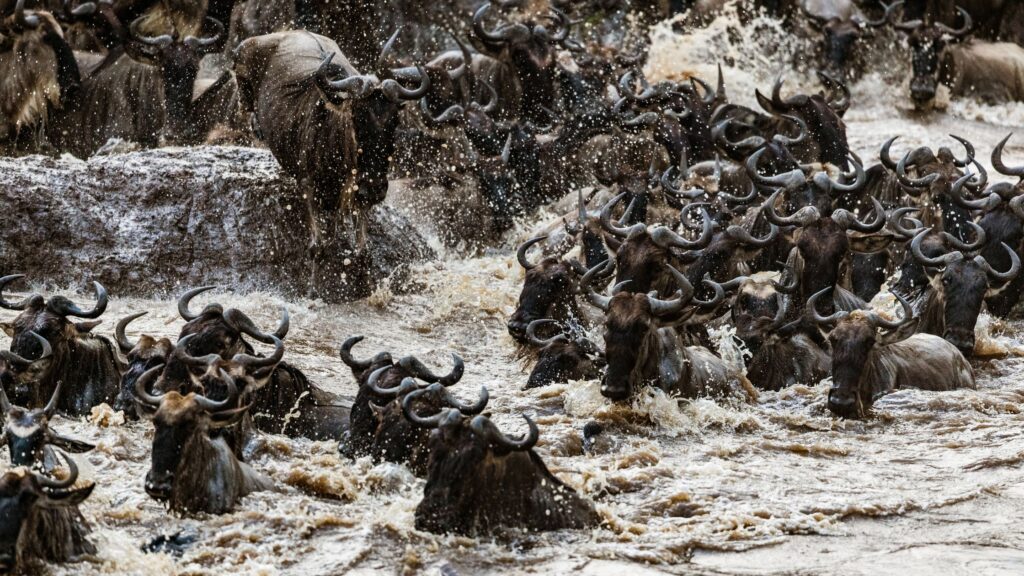
Which Time of Year is Best for a Kenya Safari?
Every traveler planning Kenya Safaris often wonders, “Which time of year is best for a Kenya safari?” This question is central to crafting an unforgettable wildlife adventure, as the timing of your visit directly affects animal sightings, birding opportunities, weather conditions, and cultural experiences. Kenya, known for its extraordinary biodiversity, offers a range of safari experiences, including Kenya Wildlife Safaris, Kenya Birding Safaris, and Kenya Cultural Safaris, all set within landscapes ranging from open savannahs to lush wetlands. Choosing the right time ensures that travelers maximize the chances of witnessing spectacular wildlife behaviors such as predator hunts, bird migrations, and herbivore gatherings.
Understanding Kenya Safaris and Seasonal Dynamics
At EcoQuest Safaris, we emphasize curating itineraries that blend wildlife, culture, and immersive experiences. For example, the timing of a safari impacts whether you witness the Kenya Great Migration, when millions of wildebeest, zebras, and gazelles traverse the Maasai Mara in search of greener pastures. Similarly, the best birding seasons enable travelers on Kenya Birding Safaris to observe both resident and migratory species such as the Lilac-breasted Roller, African Fish Eagle, and Grey Crowned Crane. Cultural experiences, including visits to Maasai villages, Samburu communities, and local markets, also vary depending on seasonal festivals, traditional ceremonies, and harvest periods.
Planning around “Which time of year is best for a Kenya safari?” is essential for ensuring optimal wildlife sightings, pleasant weather, and rich cultural interactions. Seasonal variations affect the ease of access to national parks, the intensity of safari activities, and even photographic opportunities. For travelers seeking multi-destination adventures, Kenya’s proximity to Uganda provides the chance to combine Uganda Gorilla Trekking Safaris with Kenyan wildlife excursions, creating an unparalleled East African safari experience. This comprehensive guide will explore Kenya’s prime safari seasons, destination-specific highlights, cultural experiences, travel logistics, and expert recommendations for making your safari journey unforgettable.
Dry Season Safari – June to October: Ideal Wildlife Viewing
Maximizing Kenya Wildlife Safaris and Birding Opportunities
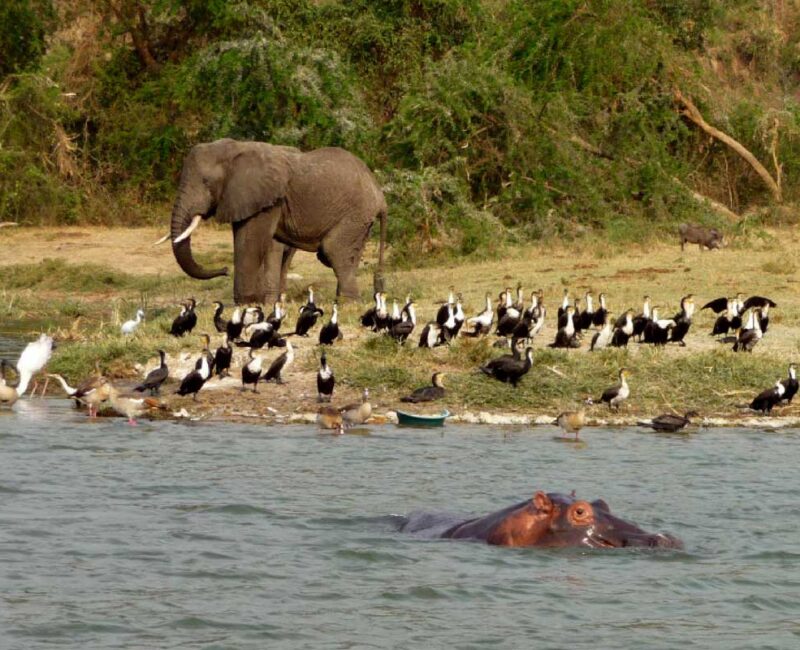
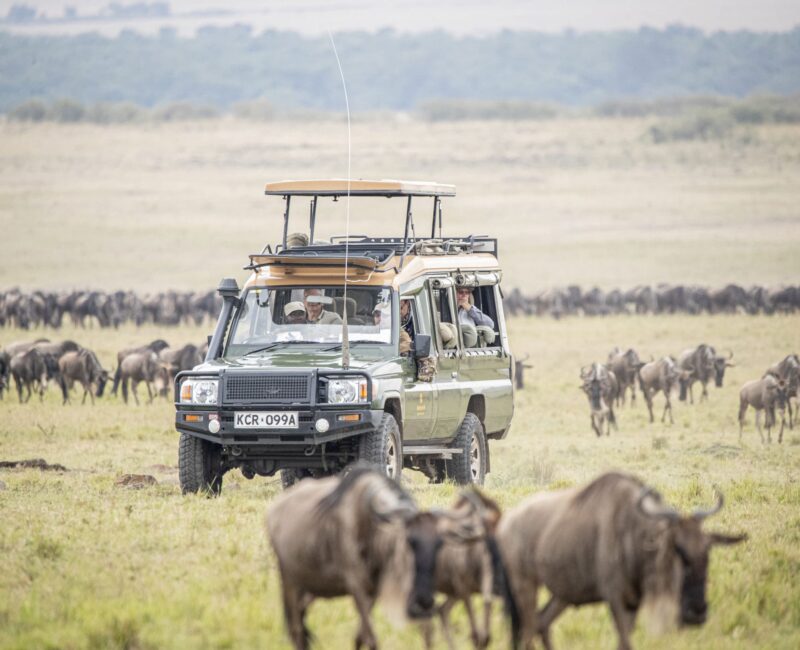
For those asking, “Which time of year is best for a Kenya safari?”, the dry season from June to October is widely regarded as the peak period for wildlife sightings. During these months, water sources in national parks such as Maasai Mara, Amboseli, and Samburu become focal points for animals, making it easier for visitors to spot predators like lions and cheetahs, as well as herds of elephants, giraffes, and zebras. Kenya Wildlife Safaris during this period are highly rewarding, offering clear visibility across open plains and fewer disturbances from rainfall.
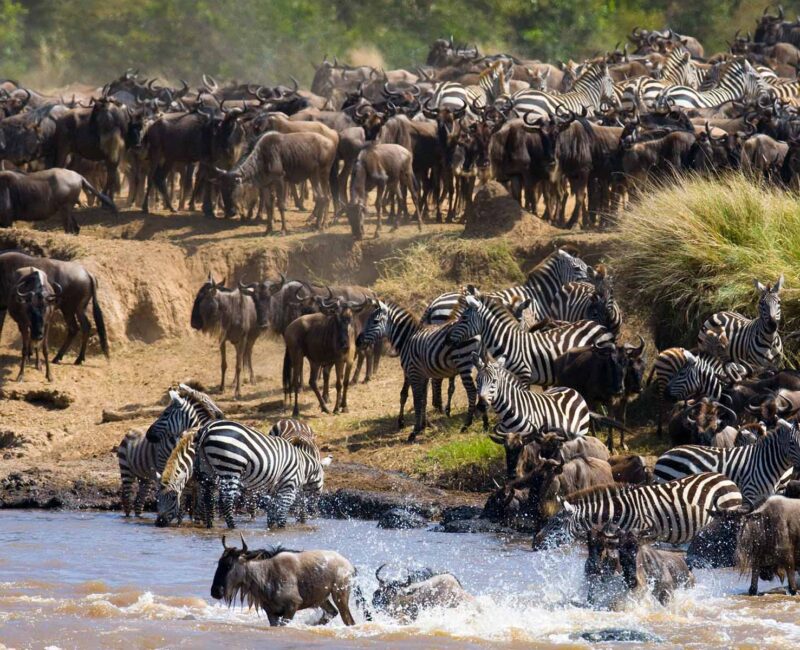
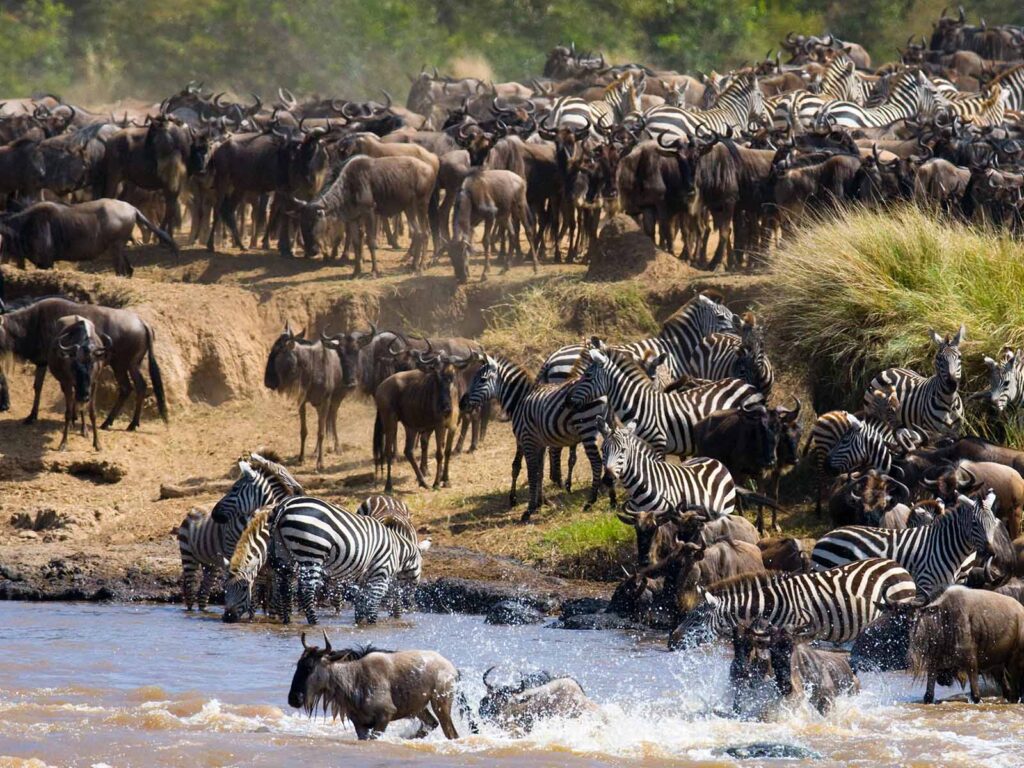
Bird enthusiasts on Kenya Birding Safaris also benefit from dry conditions, as migratory species converge with resident birds, enriching the birding experience. Iconic species such as the Grey Crowned Crane, African Jacana, and Pied Kingfisher become highly visible along rivers and wetlands. Additionally, the dry season coincides with the Kenya Great Migration, when vast herds of wildebeest and zebras traverse the Maasai Mara, creating one of the most awe-inspiring wildlife spectacles on Earth. Photographers and wildlife enthusiasts alike appreciate the combination of bright skies, open terrain, and increased animal concentrations.
Cultural experiences during this season are equally vibrant. Maasai, Samburu, and other local communities perform traditional dances, participate in beadwork ceremonies, and open their villages for immersive tours. Travelers can also explore Nairobi’s urban attractions, local markets, and museums in pleasant weather, making dry-season visits ideal for those who want to combine Kenya Cultural Safaris with wildlife viewing. For multi-destination adventurers, this is the perfect window to pair a Kenya safari with Uganda Gorilla Trekking Safaris, allowing visitors to witness both savannah wildlife and the unique mountain gorilla experience. Overall, the dry season offers optimal conditions for answering “Which time of year is best for a Kenya safari?” with confidence, as it ensures maximum wildlife visibility, comfortable weather, and enriched cultural encounters.
Short Rains Season – November to December: A Unique Safari Experience
Exploring Lush Landscapes and Birding Diversity
Travelers curious about “Which time of year is best for a Kenya safari?” should consider the short rains season from November to December, a period that brings occasional showers and rejuvenates Kenya’s landscapes. While wildlife disperses slightly due to the abundance of water, this season offers fewer tourists, creating a more private safari experience. Parks such as Maasai Mara, Amboseli, and Lake Naivasha remain highly accessible, allowing visitors to enjoy Kenya Wildlife Safaris without large crowds.
The rains transform the savannahs into lush green expanses, attracting migratory birds and enhancing Kenya Birding Safaris. Species such as the White-browed Coucal, African Fish Eagle, and Malachite Kingfisher thrive, providing photographers and birdwatchers with rare sightings and colorful landscapes. Additionally, newborn wildlife, including zebra foals and wildebeest calves, emerge during this season, offering a heartwarming wildlife spectacle.
Cultural experiences gain a unique edge during the short rains, as local communities prepare for traditional festivals, harvest celebrations, and communal activities. Travelers on Kenya Cultural Safaris can participate in authentic experiences such as beadwork workshops, storytelling sessions, and guided village tours. Combining a safari in this season with Uganda Gorilla Trekking Safaris offers a harmonious contrast between green savannahs and tropical forests, ensuring a diverse and enriching East African adventure. For those asking “Which time of year is best for a Kenya safari?”, the short rains season provides a quieter, greener, and more intimate experience, balancing wildlife observation, birding, and cultural immersion.
Long Rains Season – March to May: Birding Paradise and Green Safaris
Best Time for Nature Photography and Migratory Birds
For travelers exploring “Which time of year is best for a Kenya safari?”, the long rains season from March to May provides a different type of safari experience. Though some roads can become muddy and less accessible, the long rains bring lush vegetation, dramatic skies, and vibrant ecosystems. National parks such as Lake Naivasha, Aberdare Ranges, and Nairobi National Park offer unparalleled opportunities for Kenya Birding Safaris, where migratory species such as African Pygmy Goose, Grey Heron, and Hamerkop flourish alongside resident birds.
Wildlife visibility may be slightly reduced compared to the dry season, as animals spread out due to the abundance of water. However, the long rains season allows travelers to observe interactions among young wildlife, including calves and lion cubs, providing unique photo opportunities and an intimate look into animal behavior. Safari-goers can also enjoy scenic landscapes, mist-covered mountains, and verdant valleys, perfect for photography enthusiasts seeking dramatic and colorful settings.
Cultural tourism is equally rewarding during this period. Local communities engage in seasonal agricultural activities, traditional ceremonies, and craft-making workshops that travelers can observe or participate in. Combining Kenya Cultural Safaris with Uganda Gorilla Trekking Safaris during this season offers a fascinating contrast between green savannah plains and dense, misty tropical forests. Travelers interested in “Which time of year is best for a Kenya safari?” may choose the long rains season for its natural beauty, rich birding, and immersive cultural encounters, particularly when seeking a quieter and more reflective safari experience.
Expectations for a Kenya Safari
Wildlife, Birding, and Cultural Insights
Answering “Which time of year is best for a Kenya safari?” also requires understanding what to expect. During Kenya Wildlife Safaris, travelers can anticipate sightings of lions, elephants, cheetahs, leopards, giraffes, and buffalo across diverse ecosystems. Bird enthusiasts benefit from Kenya Birding Safaris, observing both resident and migratory species, while cultural tourists gain insights into Maasai, Samburu, and Kikuyu traditions through village visits and community-led activities.
Wildlife behavior, predator-prey interactions, and migratory patterns depend on seasonal timing. Travelers during the dry season experience concentrated wildlife at waterholes, while rainy-season visitors enjoy lush landscapes, newborn wildlife, and flourishing bird populations. Multi-destination itineraries allow seamless integration with Uganda Gorilla Trekking Safaris, offering contrasts between Kenya’s open plains and Uganda’s tropical forests. Overall, safari expectations include engaging encounters with wildlife, educational birding experiences, and authentic cultural immersion, ensuring every traveler experiences a memorable and well-rounded East African adventure.
How to Reach and Prepare for a Kenya Safari
Transport, Accommodation, and Safari Essentials
Travelers often ask, “Which time of year is best for a Kenya safari?”, but preparation is equally important. Kenya’s major safari destinations are accessible by road or air, with Jomo Kenyatta International Airport in Nairobi serving as the main entry point. Domestic flights connect Nairobi to Maasai Mara, Amboseli, Samburu, and other parks, minimizing travel time and maximizing safari opportunities.
Accommodations range from luxury lodges and tented camps to budget-friendly options, all designed to immerse travelers in nature while offering comfort. Safari preparation involves wearing neutral-colored clothing, sturdy shoes, hats, sunglasses, and sunscreen. Binoculars and cameras are essential for wildlife and bird photography, while rain jackets are recommended during wet seasons. Multi-day itineraries may include travel to Uganda Gorilla Trekking Safaris, so planning appropriate gear and documentation is crucial. Proper preparation ensures travelers enjoy their safari safely, comfortably, and fully immersed in the natural and cultural environment.
When is the Best Time for a Kenya Safari?
The best time depends on priorities: dry season (June–October) for abundant wildlife sightings, short rains (November–December) for lush landscapes and birding, and long rains (March–May) for green scenery, newborn wildlife, and unique bird species.
How Much Does a Kenya Safari Cost?
Costs vary based on destination, duration, accommodation, and activities. A 3-day safari can range from $600 to $1,500 per person, while extended itineraries combining Kenya Best Safaris and Uganda Gorilla Trekking Safaris may reach $2,500 to $4,000 per person. Costs typically include accommodation, park entry fees, safari vehicles, and guided tours.
Conclusion – Choosing the Optimal Time for a Kenya Safari
Determining “Which time of year is best for a Kenya safari?” requires understanding seasonal wildlife behavior, birding opportunities, cultural events, and weather conditions. Dry months from June to October offer peak wildlife viewing, while short rains in November–December provide greener landscapes and fewer tourists. The long rains from March to May enrich landscapes and bird populations, offering unique photographic and cultural experiences.
At EcoQuest Safaris, we design expert itineraries that allow travelers to experience Kenya Wildlife Safaris, Kenya Birding Safaris, and Kenya Cultural Safaris while optionally combining adventures with Uganda Gorilla Trekking Safaris. Choosing the right time ensures maximum enjoyment, optimal wildlife sightings, and immersive cultural experiences, solidifying Kenya as a top global safari destination.